


You usually know the moment your old system is no longer worth trusting. The house feels sticky. Rooms cool unevenly. Repairs keep coming. Energy bills climb while comfort drops. If you are planning a new air conditioner for your Cameron home, the decision matters more than just picking a brand. You need to know how sizing works, what affects price, what questions to ask, and what installation details protect comfort over the long term. This guide explains the biggest things homeowners should check before signing a contract. The goal is simple: help you spend wisely, avoid common mistakes, and get cooling that actually feels right in North Carolina heat. DOE says air conditioning uses about 12 percent of electricity in U.S. homes, so getting this decision right can matter for both comfort and cost.
Sizing matters more than most homeowners expect
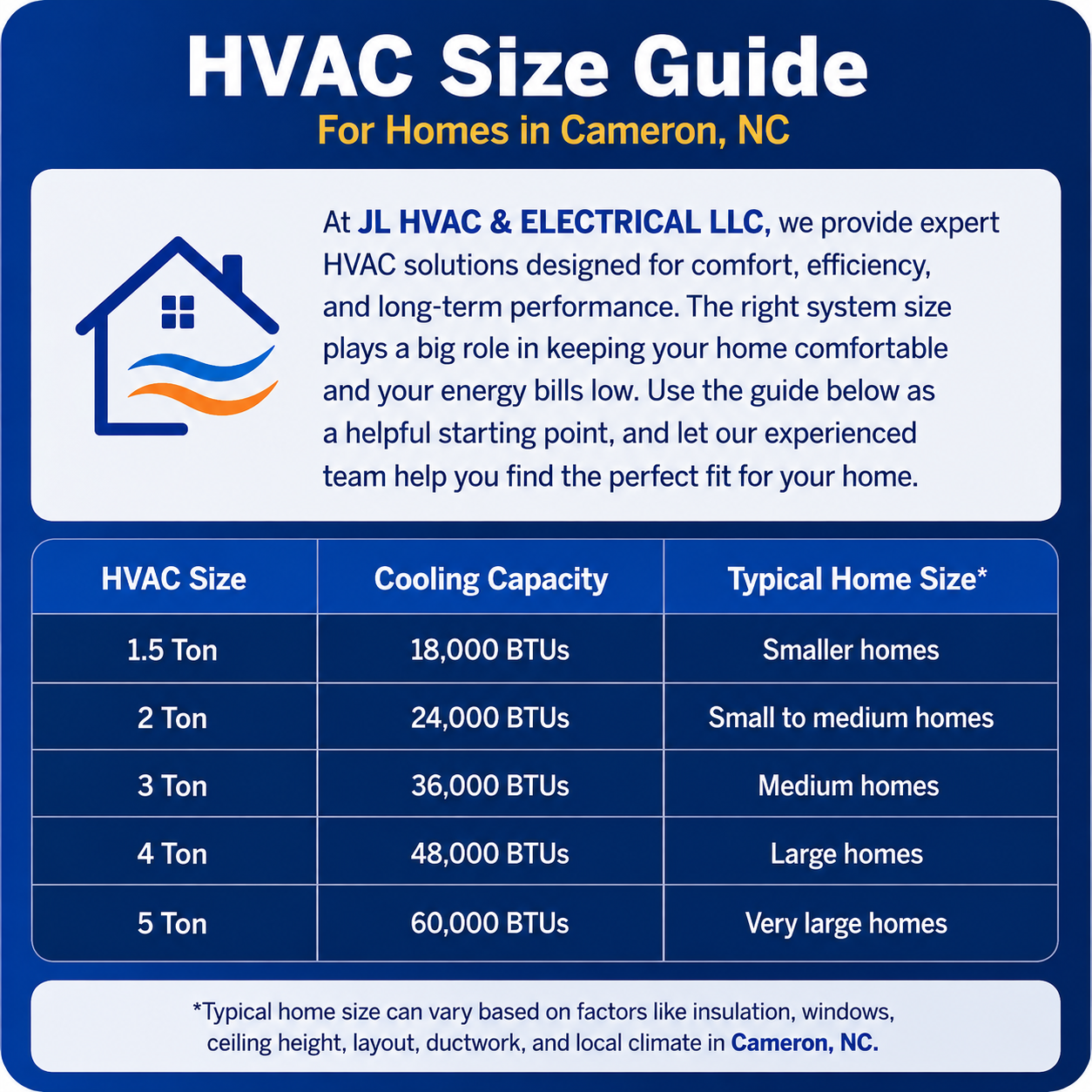
Many homeowners assume bigger means better, but that usually leads to worse comfort. ENERGY STAR says oversized equipment can cycle too frequently, which can reduce comfort and shorten lifespan. It also says your contractor should size the system using Manual J, a calculation based on the actual characteristics of your home, instead of a rule of thumb. That is one of the most important questions to ask any AC installers you interview. If they are not talking about load calculation, airflow, and duct condition, you do not have the full picture yet.
This is also where homeowners often miss the connection between comfort and humidity. An oversized system can cool fast without running long enough to remove moisture well. In the Southeast, that can leave the house cold but still clammy. A careful AC installation service should look at square footage, insulation, windows, duct layout, and sun exposure before final equipment selection. The right answer is not the biggest tonnage. It is the one that matches your home.
What affects the price in Cameron
Homeowners often ask about AC installation cost first, and that makes sense. Price is shaped by more than the condenser outside. Angi says the national 2026 replacement cost averages $5,992, but the final price can move a lot depending on equipment type, home size, ductwork changes, labor, and efficiency level. Forbes says replacing only the air conditioner commonly falls in a range of about $3,500 to $7,500, while labor can range from $500 to $3,000 depending on project size and complexity.
The biggest cost surprises usually come from issues that are discovered after the quote starts. Duct repairs, line set changes, electrical upgrades, pad work, drainage correction, or thermostat replacement can all change the number. That is why a serious AC installation contractor should explain what is included, what could change, and what would trigger a change order. If one quote is much lower than the others, it may not include the same scope. That is where homeowners get caught.
Permits, licensing, and local questions to ask
Before work begins, ask who is pulling the permit and who will schedule inspections if they are required for your address. Harnett County runs permit processing through Central Permitting, and North Carolina’s consumer licensing resources stress the value of confirming contractor credentials. Even if your particular Cameron address falls under a different local jurisdiction, the important point is the same: do not treat permits and licensing as side issues. They are part of protecting the job.
You should also ask whether the crew doing the work is the same team named on the proposal, whether the contractor will register equipment warranties, and whether the company will provide startup readings after installation. North Carolina licensing resources show the state actively investigates complaints involving licensed and unlicensed heating and air conditioning contractors. That makes documentation, supervision, and clear responsibility worth asking about before you sign.
New equipment standards and refrigerant changes
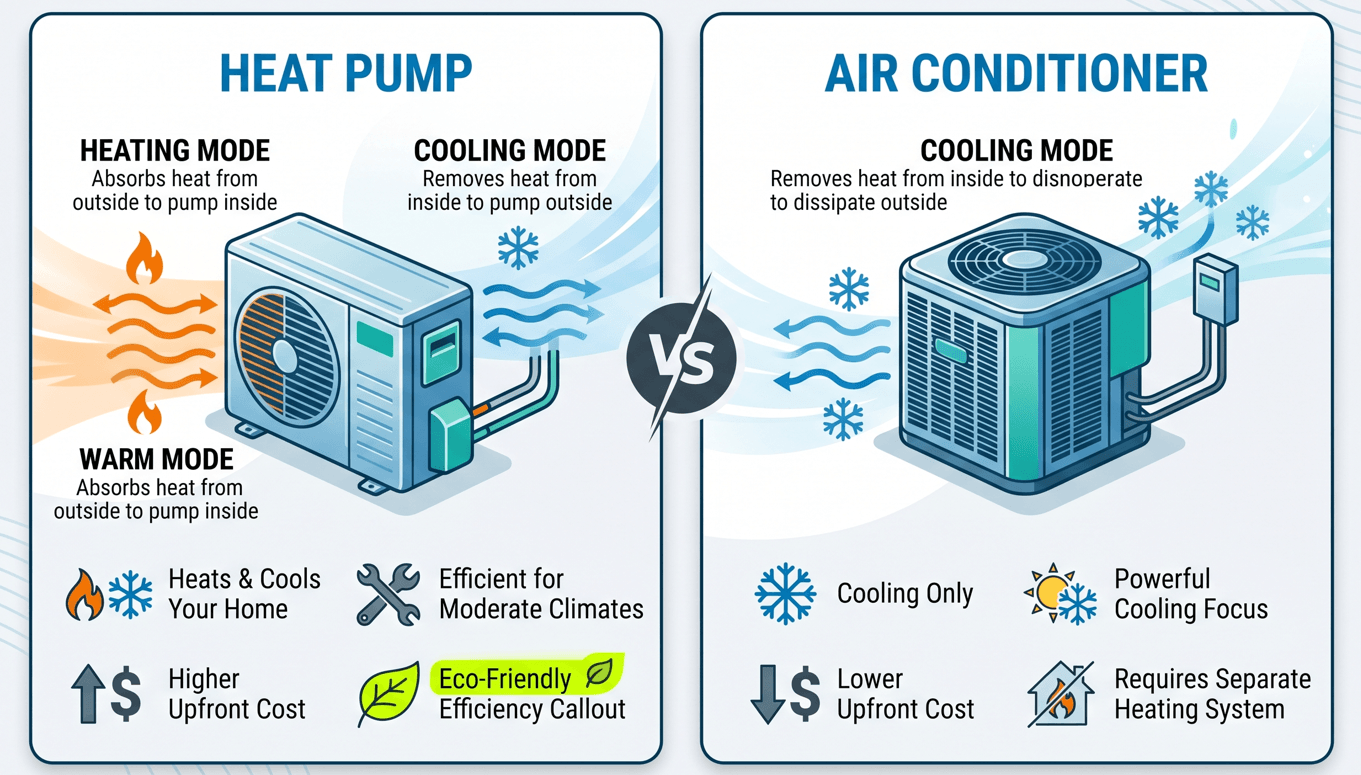
If you have not replaced an air conditioner in years, you may hear new terms from contractors. DOE says the Southeast is subject to regional standards for central air conditioners, and EPA says restrictions on higher GWP HFCs in new air conditioning and heat pump equipment began taking effect starting January 1, 2025. In practical terms, homeowners shopping in 2026 may see newer equipment choices, different refrigerants, and different inventory than they saw a few years ago. A solid AC installation service should explain options clearly, not rush you into the only unit on the truck. If you are comparing several proposals, ask each company the same questions about refrigerant type, efficiency level, warranty terms, and future service support.
What to Check During New AC Installation
| What to check | Why it matters | What to ask |
| System size | Oversized equipment can short cycle and reduce comfort | Did you run a Manual J load calculation for my house? |
| Project cost | Final price changes with size, labor, ductwork, and scope | What is included in the quoted AC installation cost, and what could change it? |
| Permits and credentials | Proper paperwork and licensed work protect the homeowner | Who pulls the permit, who schedules the inspection, and how do I verify credentials? |
| Efficiency and incentives | Better equipment can lower bills, but incentive rules change | Which model meets current efficiency standards, and are any rebates or credits active now? |
Efficiency, ducts, and the whole home matter too
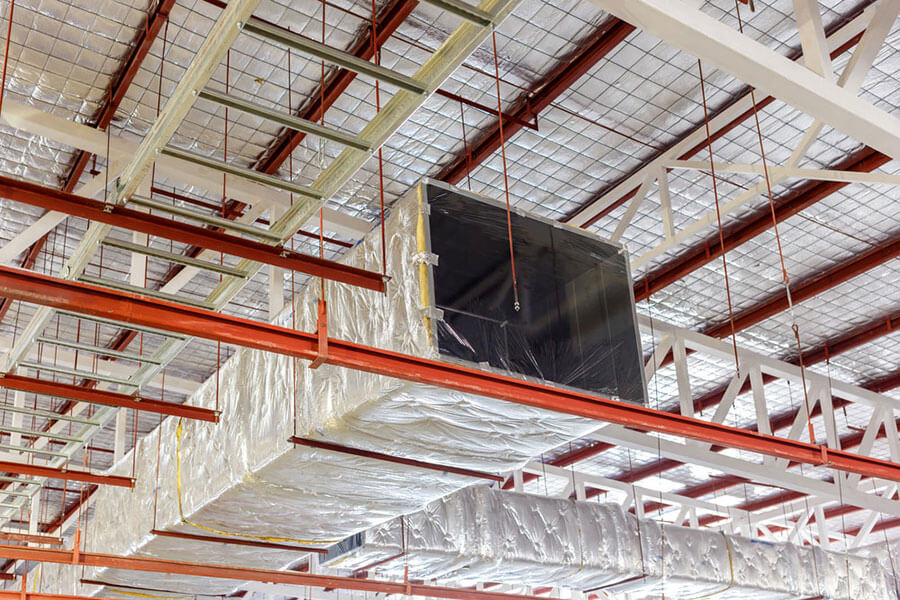
A new condenser alone does not fix a weak system design. ENERGY STAR says properly installed equipment can save up to 20 percent on heating and cooling costs, and it also says poor duct sealing choices hurt performance. Its duct sealing guidance warns homeowners not to use ordinary duct tape because it is not long-lasting, and recommends mastic sealant or metal tape for accessible ducts. If your contractor never looks at airflow and duct leakage, the new equipment may not deliver what you are paying for.
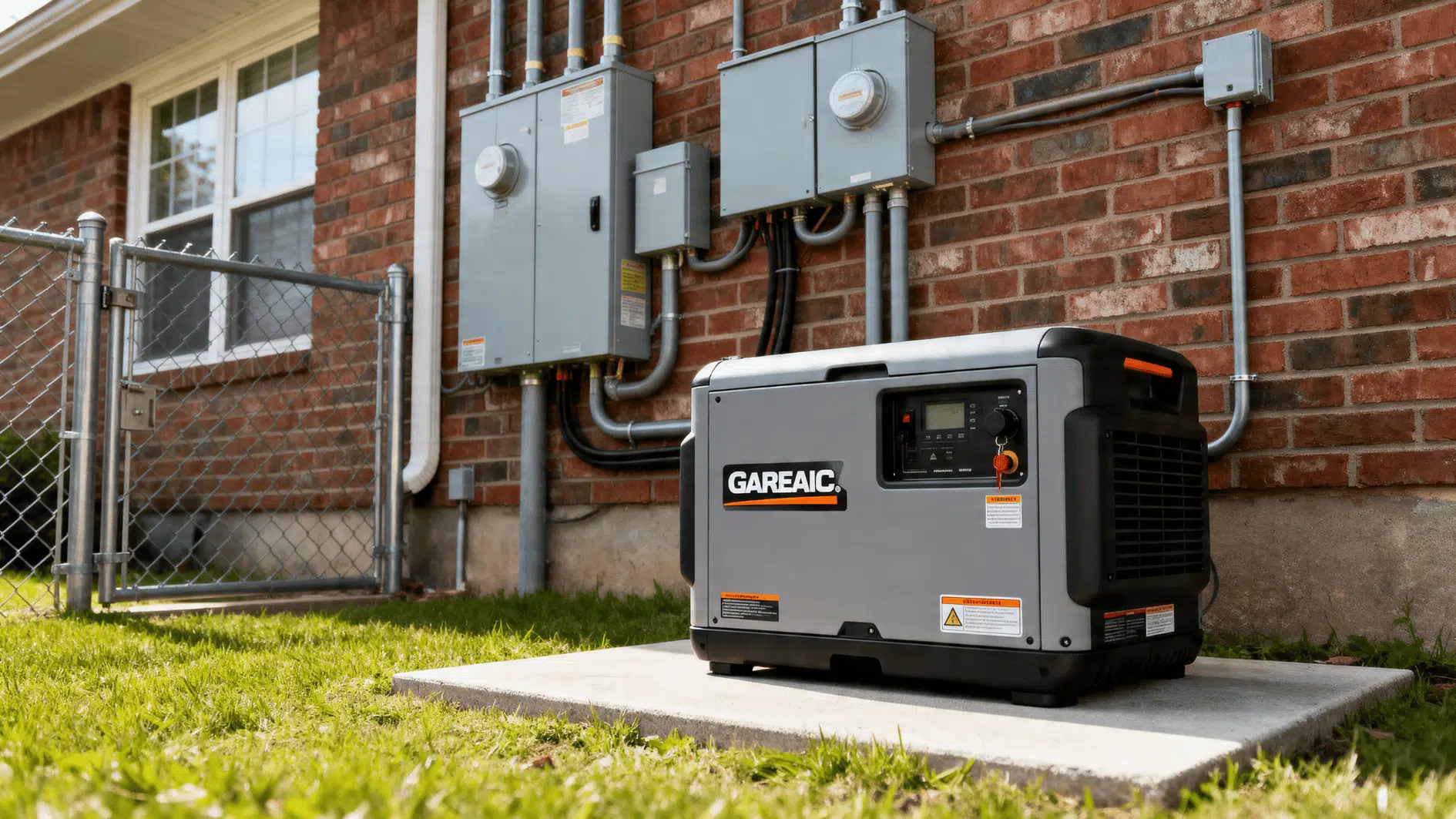
This is where broader HVAC and electrical services can matter. Some homes need a bit more than a box swap. They may need a new disconnect, thermostat upgrade, condensate improvement, or electrical cleanup before the system performs the way it should. If your installer flags issues outside the condenser and coil, that is not always upselling. Sometimes it is the difference between a system that works on paper and one that works in real life.
Key Takeaways
- Start early if possible. Replacement decisions are usually better when they are planned, not forced by a breakdown. ENERGY STAR says units more than 10 years old may be candidates for replacement.
- Ask every bidder about Manual J sizing. Right-sizing is one of the most important parts of a good job.
- Compare scope, not just price. Duct repairs, labor, electrical work, and warranty handling all affect the real number.
- Confirm permits, licensing, and who is responsible for inspection and startup documentation.
- Ask about refrigerant changes, efficiency level, and any live incentives before you sign. Rules and product lines have shifted since 2025.
Making the right choice for your Cameron home
The smartest homeowners do not buy a system the same way they buy a box fan. They buy a process. They want the home measured correctly, the ducts checked honestly, the electrical and drainage reviewed, and the paperwork handled the right way. That is what gives you comfort that lasts beyond the first cold blast of air. A rushed decision can leave you with the wrong size, weak airflow, or surprise costs later. A careful decision gives you quieter operation, steadier humidity control, and fewer headaches in the years ahead. If you want that kind of result, JL HVAC & Electrical LLC should be judged not only on equipment brand, but on how clearly the company explains the scope, the numbers, and the work behind the installation.
FAQs
How long does a new air conditioner usually last?
ENERGY STAR says it may be time to consider replacement if your air conditioner is more than 10 years old, although actual lifespan depends on maintenance, sizing, and operating conditions.
What should I ask before I accept a quote?
Ask whether the contractor ran a Manual J load calculation, what is included in the total price, whether ductwork was evaluated, who pulls the permit, and what warranty registration is included.
Why are quotes so different from one company to another?
The scope often changes the number. Labor, ductwork, electrical work, thermostat replacement, efficiency level, and warranty handling can all affect the final price.
Is a bigger system better for cooling faster?
Usually no. ENERGY STAR says oversized equipment can cycle too frequently, which can reduce comfort and shorten lifespan.
Should I count on a federal tax credit in 2026?
Do not assume it. The IRS page currently says the Energy Efficient Home Improvement Credit applies to qualifying work installed through December 31, 2025, so homeowners planning a 2026 project should verify current incentives before relying on them.