A storm rolls through, the neighborhood goes quiet, and suddenly your home depends on whatever backup power you chose years ago. Some homes stay fully powered without a pause. Others scramble for extension cords, fuel cans, and flashlight routines.
That moment is where the comparison between a portable unit and a full-home system becomes very real. And it always circles back to one question: what is the real Whole House Generator Cost when you factor in comfort, reliability, and long-term value?
Key Takeaways
- Portable generators cost less upfront but offer limited coverage
- Whole-home systems deliver automatic, full-home backup power
- Long-term value depends on usage frequency and outage risk
- Installation and fuel setup heavily influence total cost decisions
Understanding the Two Systems
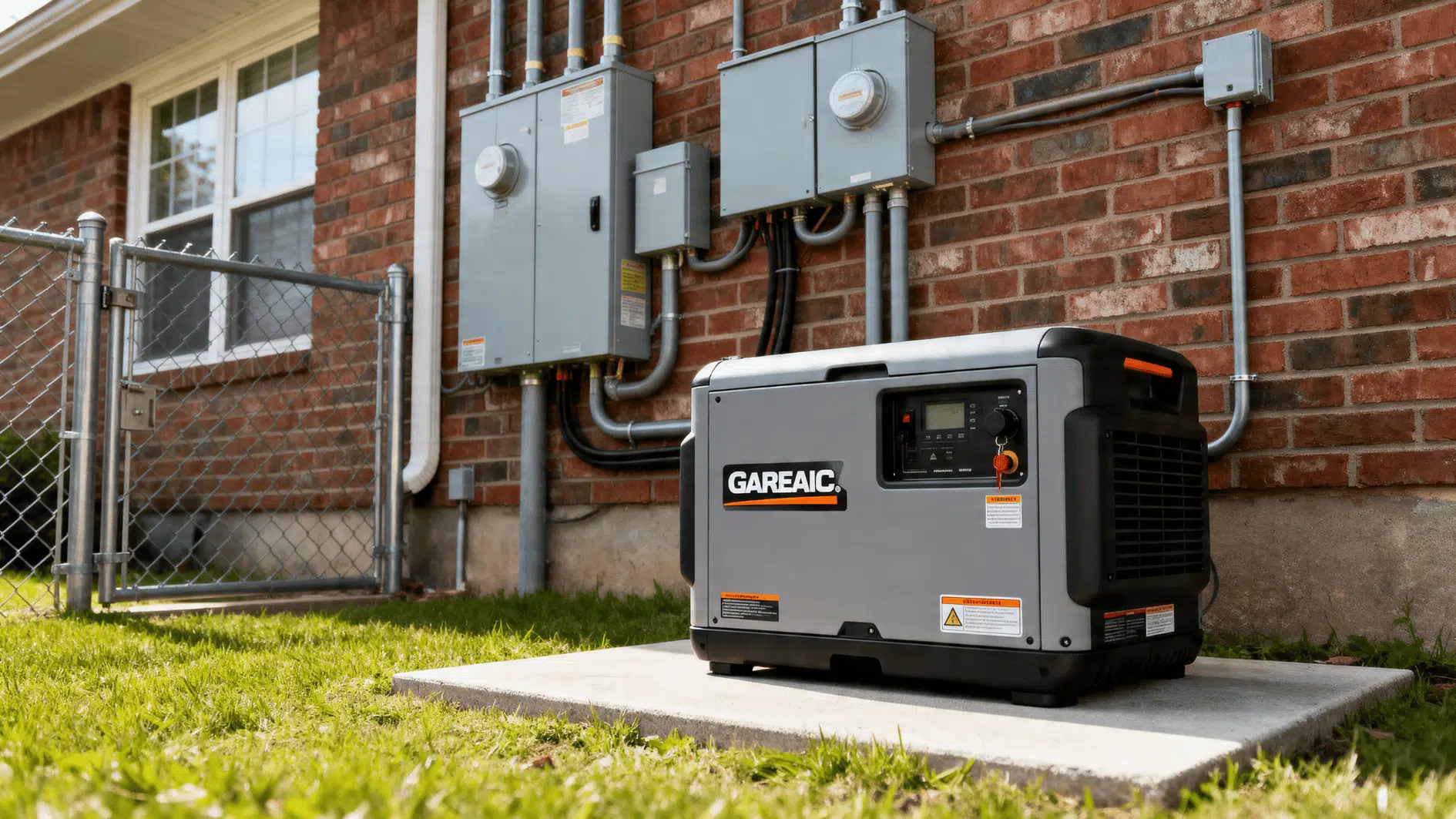
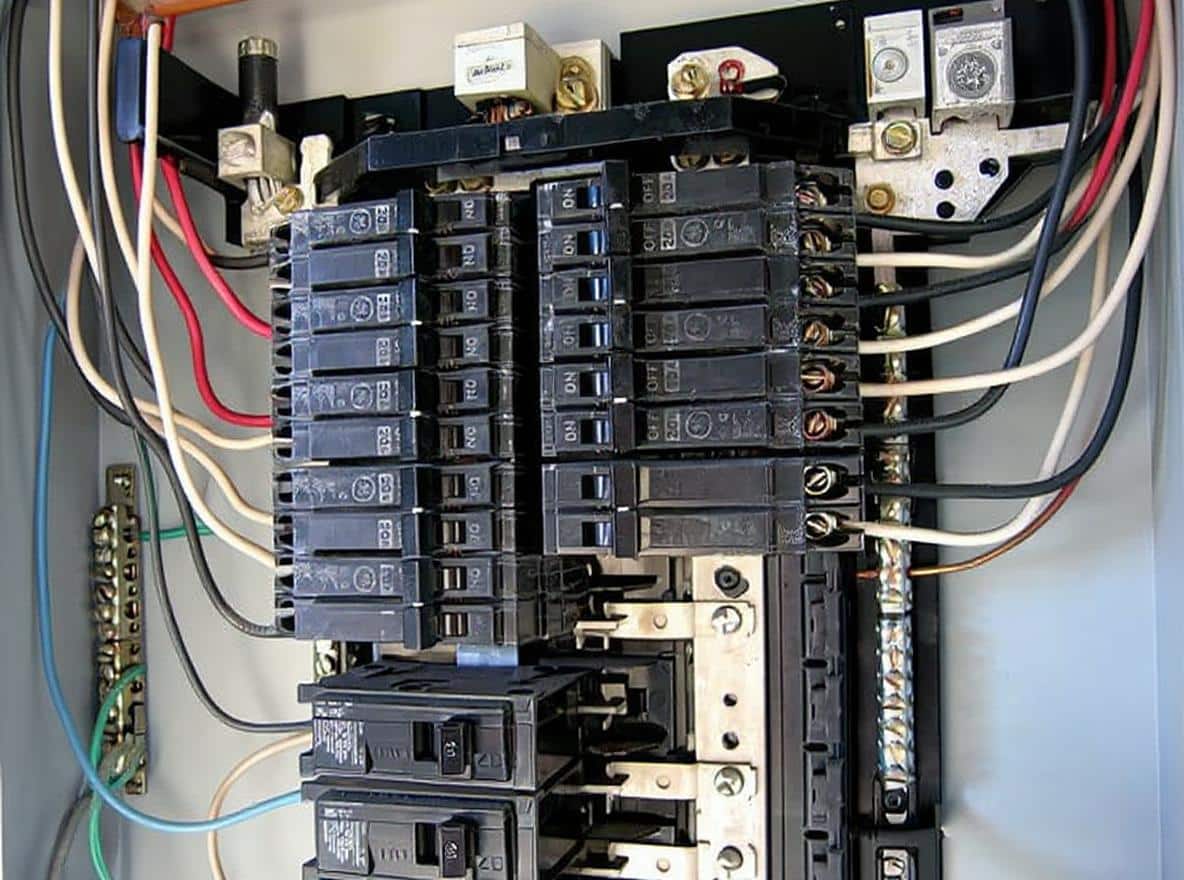
A whole-home backup system is designed to power your entire house automatically during outages. It connects directly to your electrical panel and kicks in within seconds.
A portable unit is more flexible but manual. You roll it out, fuel it, connect essential appliances, and manage power usage yourself.
Both solve the same problem, but they solve it in very different ways. And that difference is where the Whole House Generator Cost becomes more than just a price tag. It becomes a lifestyle decision.
What is a whole house generator?
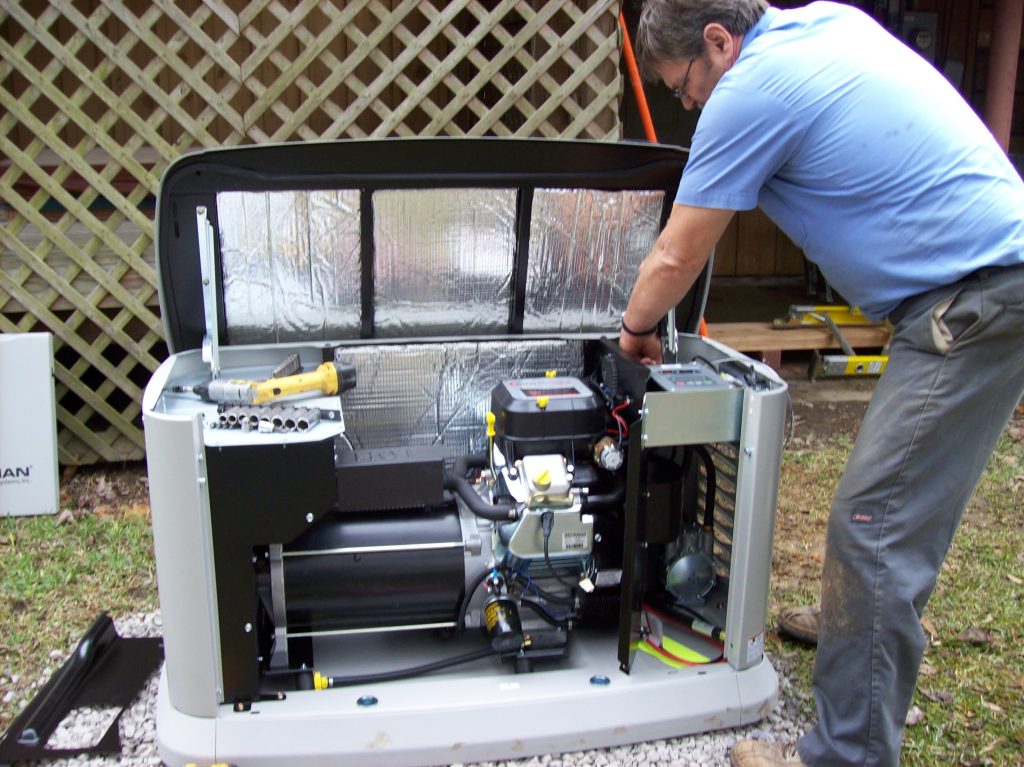
A whole house generator is a permanently installed backup power system that automatically restores electricity to an entire home during an outage.
Whole House Generator Cost vs Portable Generator Cost
When comparing systems, homeowners often look only at the purchase price. But the real comparison includes installation, maintenance, fuel efficiency, and convenience.
A portable unit may seem affordable at first. However, it usually powers only a few appliances and requires manual setup every time the power goes out.
On the other hand, Whole House Generator Cost includes installation and system integration, but it provides seamless backup without interruption or manual effort.
This is where many homeowners start to rethink what “cost” actually means.
What Drives Generator Pricing?
Several factors influence the final investment. Whether you are planning with a contractor or researching options like Generator Installation Services in Cameron, NC, understanding these drivers helps you make a clearer decision.
Key cost factors include:
- Home size and electrical load requirements
- Fuel type (natural gas or propane setup)
- Installation complexity and electrical panel upgrades
- Automatic transfer switch requirements
- Local permits and labor rates
- Maintenance expectations over time
How generator costs are determined
Step-by-step breakdown:
- Assess total home electrical load
- Select generator size based on essential or full-home coverage
- Evaluate fuel source availability
- Determine installation requirements
- Add permitting and compliance costs
- Factor in long-term maintenance needs
Each step directly influences the final Whole House Generator Cost and can shift the investment significantly.
Cost Comparison
Feature | Portable Generator | Whole Home Generator |
Upfront cost | Lower | Higher |
Coverage | Limited appliances | Entire home |
Operation | Manual | Automatic |
Installation | Minimal | Professional setup required |
Convenience | Moderate to low | High |
Long-term value | Short-term solution | Long-term reliability |
This table makes one thing clear: Whole House Generator Cost is not just about purchasing equipment, but about buying stability and automation.
Framework: How to decide what’s right for you
When comparing systems, use this simple decision framework:
- Frequency of outages: Occasional vs recurring
- Home dependency: Essentials only vs full comfort
- Budget flexibility: Short-term savings vs long-term investment
- Convenience preference: Manual control vs automatic backup
If outages are rare and short, a portable system may be enough. But if you rely heavily on uninterrupted power, the Whole House Generator Cost often becomes easier to justify.
Common Misconceptions Homeowners Have
Many homeowners assume:
- Portable generators are always cheaper (not over time)
- Installation is optional for backup systems (not for safe operation)
- Fuel costs are minimal (they add up during long outages)
- Maintenance can be ignored (it affects reliability significantly)
These assumptions often lead to unexpected expenses later.
Real-World Scenario
Imagine two homes during a 24-hour outage.
Home A uses a portable generator. They manually connect appliances, monitor fuel, and rotate usage between essentials like the fridge and lights.
Home B has a fully installed system. Power switches on automatically. The HVAC system runs normally, food stays preserved, and daily routines continue without interruption.
In both cases, power is restored. But the experience is completely different. That difference is what defines Whole House Generator Cost in real life, not just on paper.
Expert Insight on Installation Value
Choosing professional help matters more than most homeowners realize. Proper installation ensures safety, efficiency, and system lifespan.
That’s why services like Generator Installation Services in Cameron, NC play a key role in getting the setup right the first time. A poorly installed system can lead to performance issues that reduce long-term value.
Quote to consider
“By failing to prepare, you are preparing to fail.” Benjamin Franklin
Backup power is exactly that kind of preparation. The choice isn’t just about today’s price, but tomorrow’s reliability.
Where JL HVAC & ELECTRICAL LLC fits in
JL HVAC & ELECTRICAL LLC works with homeowners who want reliable, long-term electrical and backup power solutions. From system planning to installation, the focus is always on safety, performance, and practical value rather than just equipment sales.
When evaluating Whole House Generator Cost, professional guidance helps avoid oversizing, undersizing, or inefficient setups.
Conclusion
At the end of the day, comparing a portable system and a full-home backup solution is not just a technical decision. It’s a comfort decision, a safety decision, and a long-term planning decision.
The real Whole House Generator Cost reflects more than equipment. It reflects how prepared you want your home to be when the grid goes down.
Portable systems offer flexibility and lower entry cost. Whole-home systems offer automation, coverage, and peace of mind. Neither is wrong, but they serve very different expectations.
Summary
Backup power choices come down to how you balance cost with convenience and reliability. Portable generators work well for limited needs, while whole-home systems provide seamless protection for the entire household. The right decision depends on usage patterns, outage frequency, and long-term comfort expectations.
FAQ
1. What is the average Whole House Generator Cost?
It varies based on home size, installation complexity, and fuel setup, but it is generally a higher upfront investment compared to portable units.
2. Is a portable generator enough for a full home?
Not usually. It can power essentials, but not an entire household comfortably.
3. How long does installation take for a whole-home system?
Most installations take a few days depending on electrical and fuel setup requirements.
4. Does JL HVAC & ELECTRICAL LLC provide installation services?
Yes, they offer professional installation and support for backup power systems, including full-home solutions.
5. What affects the Whole House Generator Cost the most?
The biggest factors are system size, installation requirements, and fuel configuration.