

You usually start asking this question when the old system stops feeling dependable. The house takes too long to warm up. One room feels fine while another stays cold. Repair bills keep showing up, and you are left wondering whether another fix still makes sense. If that sounds familiar, you are not alone. Heating is one of the biggest energy costs in a home, and the wrong replacement decision can keep costing you for years. This guide explains the real numbers, what changes the final price, and what Cameron homeowners should ask before they agree to a replacement. That is the smartest way to judge a true new heating system cost.
Why can the price vary so much?
The first thing to know is that there is no single price that fits every house. Angi says new furnace installation costs typically range from $2,823 to $6,895, while full HVAC replacement can range from $5,000 to $22,000, with an average around $7,500 depending on equipment type and home size. Forbes also notes that labor alone can run from about $500 to $3,000 depending on project size and complexity. That means the cost of a new heating system depends on more than the equipment itself. It depends on what kind of system you choose, how large your home is, what condition the ductwork is in, and whether the job includes extra electrical or control work.
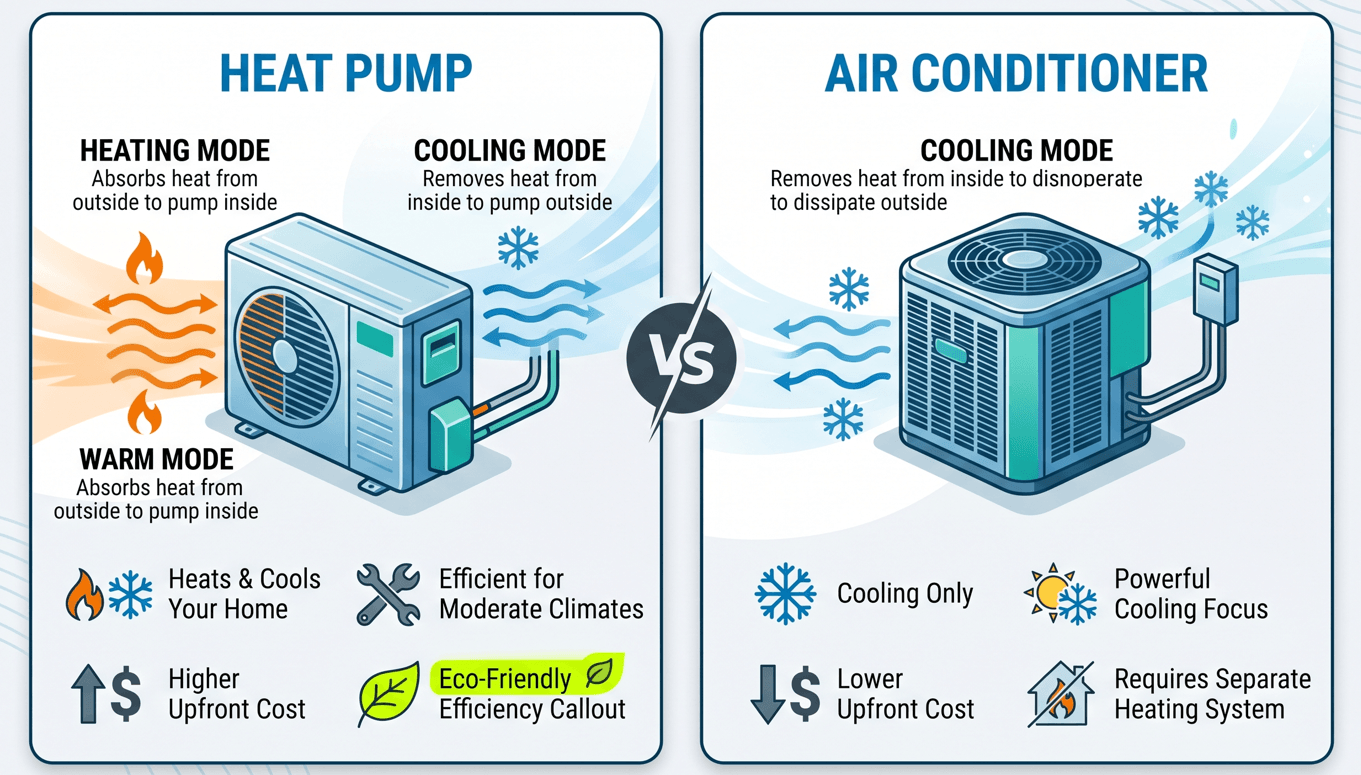
Homeowners in Cameron should also think about climate and system type, not just price. The Department of Energy says home heating uses about 29 percent of a household’s utility bill on average, so efficiency matters. DOE also notes that in moderate climates, heat pumps can be an energy-efficient alternative to furnaces, and that a properly installed heat pump can deliver two to four times as much heating energy to a home as the electricity it consumes. That does not mean every house should switch to a heat pump, but it does mean you should compare operating costs along with the purchase price.
What systems are most common to compare?
Most homeowners in your area will end up comparing a gas furnace, an electric furnace, or a heat pump. DOE explains that furnace efficiency is measured by AFUE, which indicates how much of the fuel is converted into usable heat over a typical year. It also notes that electric furnaces often show very high efficiency ratings, but because electricity can cost more than other fuels, they may not always be the most economical choice. For heat pumps, DOE says they are especially useful in moderate climates and can handle both heating and cooling.
What drives the final number up or down?
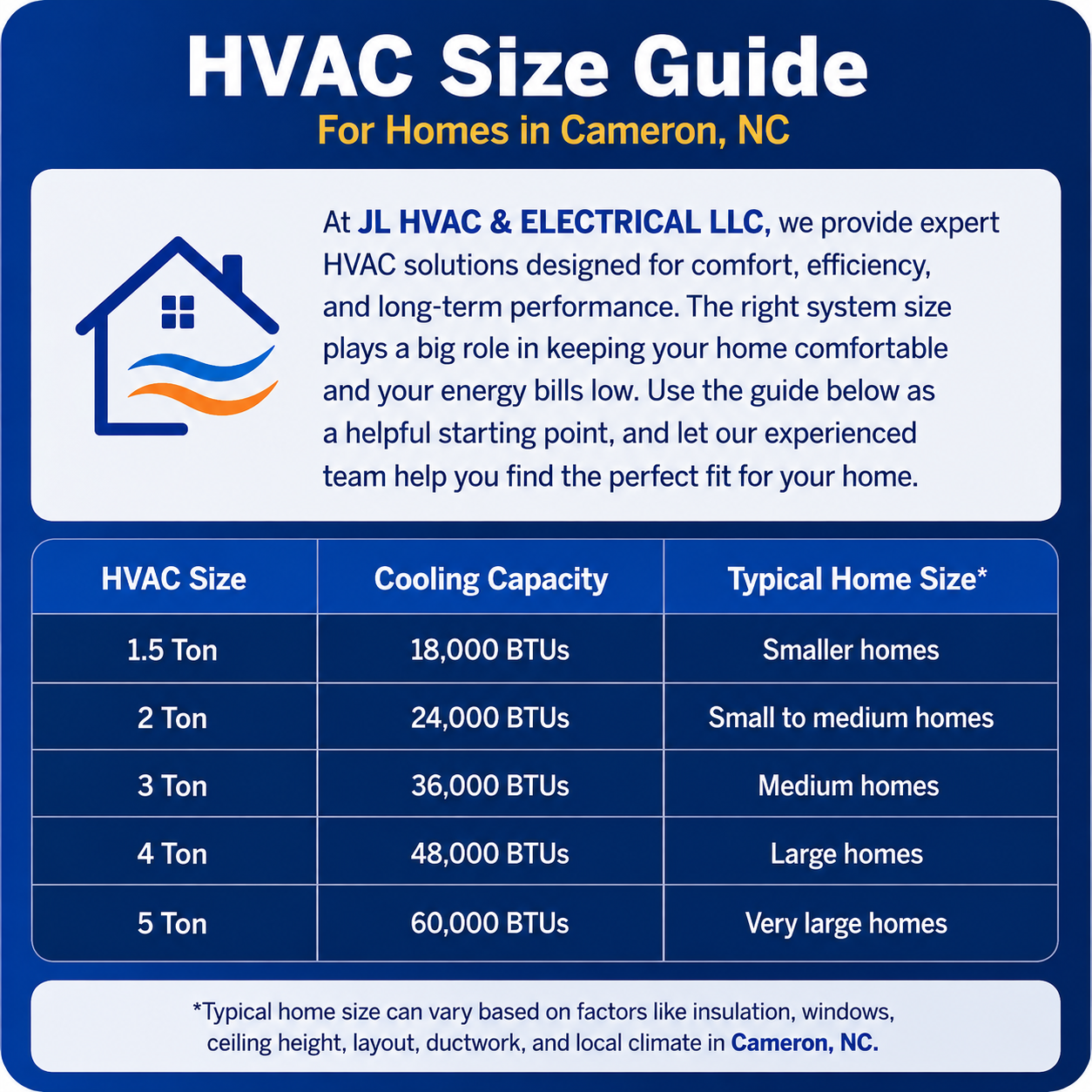
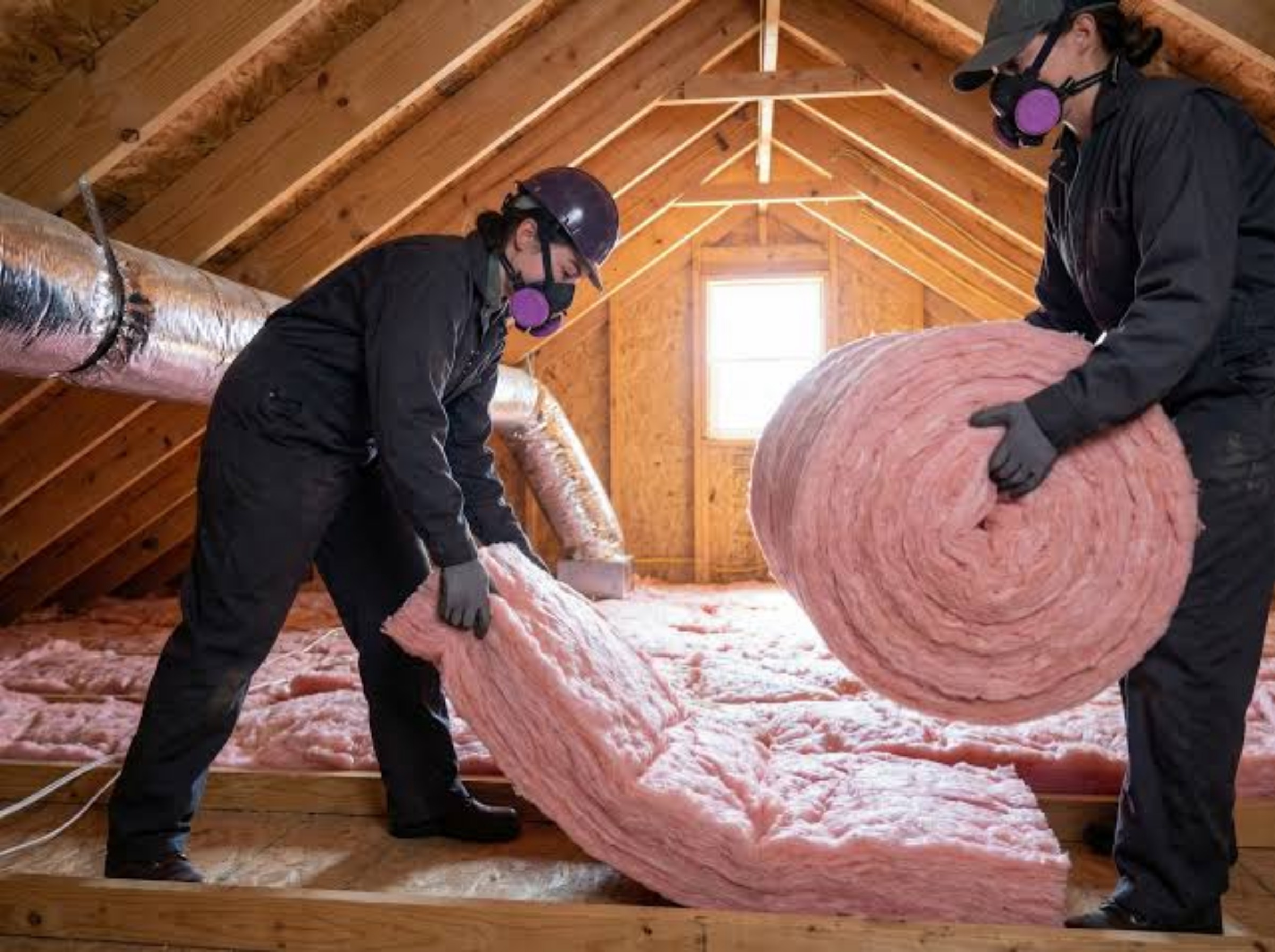
The biggest driver is sizing. Angi notes that furnace size is measured in BTUs and that average homes may need very different capacities depending on square footage. A contractor who is guessing on size is not doing you any favors. Oversizing can raise the upfront price and hurt comfort. Undersizing can leave the system running too hard and still not keep up. The second big driver is scope. Angi says permits, thermostats, insulation work, ductwork, and other add-ons can add from $250 to $3,100 or more. That is why a second new heating system cost figure can look very different from the first, even when the brand sounds similar.
If you are also looking at Heating and cooling services Cameron, NC, ask whether they think your cooling side should be replaced at the same time or whether it still has enough life left to stand alone. That answer should be based on age, condition, refrigerant type, and performance, not guesswork. If a company also handles AC installation, that can make it easier to coordinate the job if both sides of the system need attention.
Comparing main cost drivers
| What affects price | What it usually means | Typical range or fact |
| Furnace replacement | Heating is only a replacement when cooling stays separate | About $2,823 to $6,895 on average, according to Angi |
| Heat pump replacement | Heating and cooling in one system | About $4,241 to $7,940 according to Angi |
| Full HVAC replacement | Heating and cooling equipment were replaced together | About $5,000 to $22,000 according to Angi, with an average of around $7,500 |
| Permit cost | Required paperwork and inspection cost | Angi lists the HVAC permit cost at around $250 to $400 |
| Extra scope | Ductwork, thermostat, insulation, or electrical adjustments | Can add roughly $250 to $3,100 or more, depending on the project |
Permits and local paperwork still matter
Even when the quote looks good, you should ask who is pulling the permit and who is responsible for inspection. Harnett County says Central Permitting processes permit applications for inspections and related departments. That does not mean every home project will have the same permit path, but it does mean homeowners should never assume the paperwork is optional. Ask that question before work begins, not after. A careful heating system installation should include clarity about permits, inspections, and who is responsible if something fails review.
You should also verify contractor credentials and ask whether warranty registration is included. North Carolina’s licensing board says consumers can review contractor status and consumer awareness information through its public resources, and it actively addresses complaints involving licensed and unlicensed work. That makes paperwork and oversight part of the value, not just an annoying extra step. A reliable heating system installation quote should tell you who is doing the work, who supervises it, and what documentation you will receive at the end.
How to compare quotes the smart way?
A low price is not always a better value. Ask each contractor the same questions. What equipment is included? What efficiency level does it meet? Is ductwork being inspected? Is thermostat replacement included? Are permits and startup checks included? What happens if the crew finds airflow or electrical problems? These details matter because they affect both comfort and the final bill. If one quote leaves out items that another quote includes, the lower number may not really be lower. This is where homeowners often misread the real cost of new heating system work.
Key Takeaways
- Heating replacement prices vary because system type, home size, labor, permits, and add-on work all affect the total.
- Furnaces and heat pumps can have very different upfront and operating cost profiles, so compare both the purchase price and likely energy use.
- Full system replacement can sometimes make more sense than heating only if both heating and cooling equipment are aging.
- Ask about permits, warranty registration, duct condition, and thermostat scope before signing any agreement.
- Do not rely on old credit assumptions for 2026 projects without checking current IRS or utility rules first.
Making the right choice for your home
The right answer is not just the cheapest number on paper. It is the option that fits your house, your utility setup, your comfort needs, and your longer-term budget. A system that is sized correctly, installed carefully, and explained clearly usually saves you more stress than a rushed deal ever will. If your quote includes real answers about efficiency, permit handling, duct condition, and total scope, you are already in a better position. That is especially true if you have been comparing repair bills, worrying about the new heating and air system cost, or wondering whether to keep patching an older setup. When JL HVAC & Electrical LLC is being evaluated, homeowners should look not only at the equipment brand but at how clearly the company explains the work, the numbers, and the decisions behind the proposal.
FAQs
What is a normal price range for a heating replacement?
Current 2026 national guides put average furnace replacement at around $2,823 to $6,895, while full HVAC replacement can range from $5,000 to $22,000, depending on size and scope. (Angi)
Why can one quote be much higher than another?
The difference often comes from scope. One contractor may include permits, thermostat work, duct repairs, or removal, while another may not.
Is a heat pump worth considering in Cameron?
It can be. DOE says heat pumps can be an energy-efficient option in moderate climates and can deliver two to four times more heat energy than the electricity they consume.
Are tax credits still available in 2026?
The IRS currently says the Energy Efficient Home Improvement Credit applies to qualifying improvements made through December 31, 2025, so homeowners should confirm any current 2026 incentive before relying on it.
What should I ask before I approve a replacement?
Ask about sizing, permit handling, efficiency, duct condition, included labor, warranty registration, and whether the quote covers all needed heating system services or only the equipment swap.