

Blown-in insulation has become a go-to solution for homeowners who want better comfort, lower energy bills, and improved indoor efficiency without major construction. Whether you are upgrading an older home or improving a newer one, understanding insulation costs, benefits, and materials is essential before making a decision. This guide breaks down what blown-in insulation is, how it works, its advantages, and what you can realistically expect to pay on average.
What Is Blown-In Insulation?
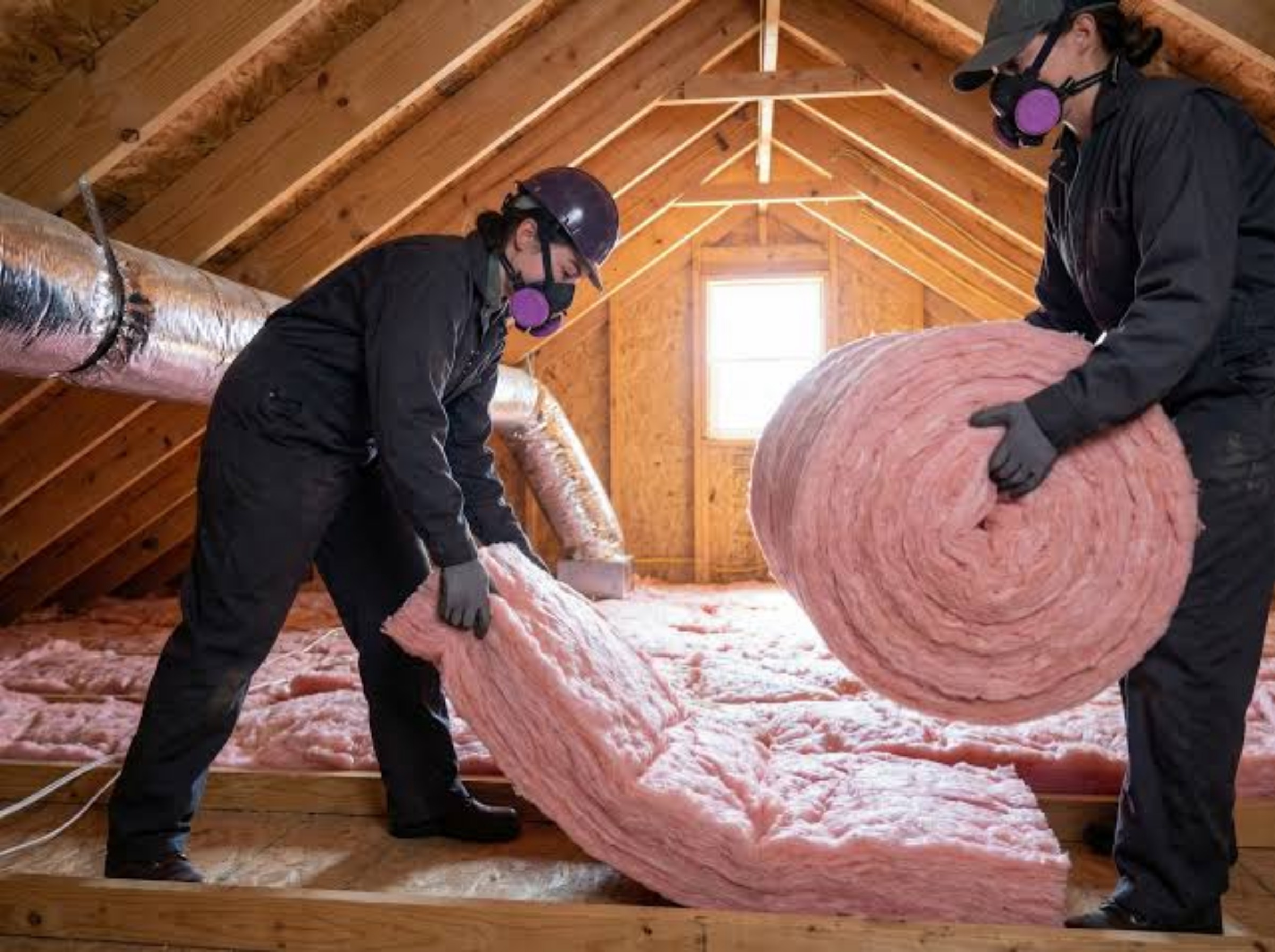
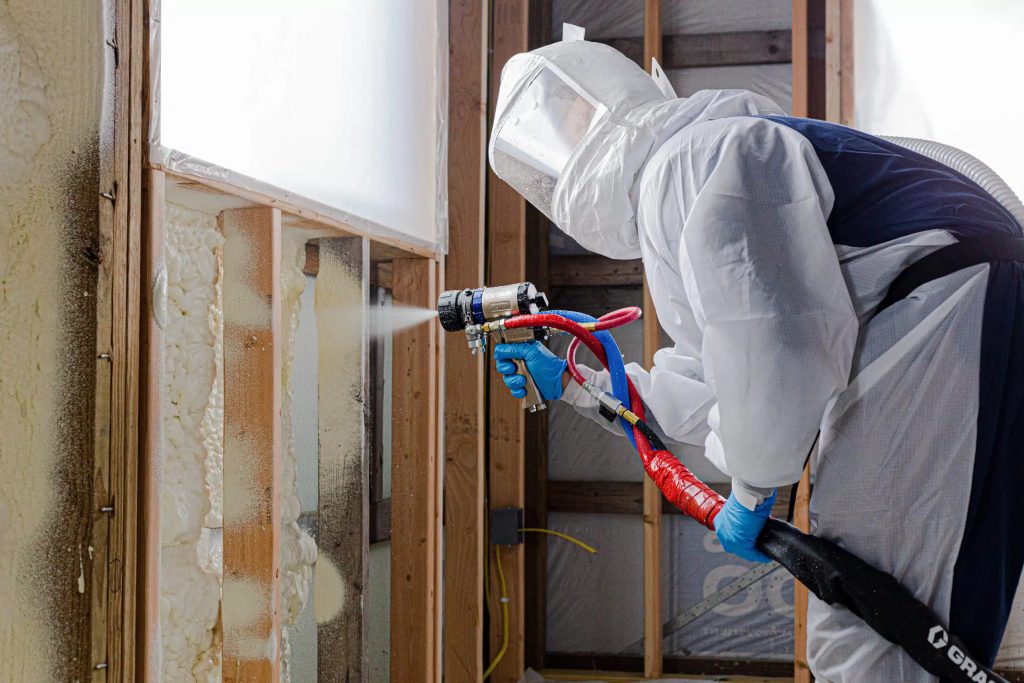
Blown-in insulation, also known as loose-fill insulation, is made of small particles of insulating material that are blown into attics, walls, and other enclosed spaces using specialized equipment. Unlike batt insulation, which comes in pre-cut rolls, blown-in insulation fills gaps, cracks, and irregular spaces more effectively.
The most common materials used are fiberglass and cellulose. Fiberglass consists of fine glass fibers, while cellulose is made from recycled paper products treated for fire resistance. Both materials are designed to reduce heat transfer and improve a home’s thermal performance.
This type of insulation is especially useful for older homes with uneven framing or hard-to-reach areas where traditional insulation may not perform well.
Why Homeowners Choose Blown-In Insulation
One of the main reasons homeowners choose blown-in insulation is its ability to create consistent coverage. Because it is blown into place, it reduces air pockets that allow heat loss in winter and heat gain in summer.
Blown-in insulation is also less invasive to install compared to other options. In many cases, it can be added over existing insulation, saving time and reducing labor costs. For walls, small access holes are used and then sealed after installation, keeping disruption to a minimum.
Another major benefit is energy efficiency. Proper insulation helps HVAC systems work more efficiently, which can lower monthly utility bills and reduce wear on heating and cooling equipment.
Understanding Average Blown In Insulation Cost
When homeowners ask about average pricing, they are usually looking for a realistic range they can budget for. On a national level, most homeowners spend between $1,500 and $4,500 for a full installation, depending on the size of the home and the areas being insulated. On a per-area basis, blown in insulation cost typically falls between $1.00 and $3.00 per square foot, including materials and labor.
Several factors influence this range, including material choice, insulation depth, and accessibility. Attics tend to be more affordable, while wall installations may cost more due to additional labor and patching work.
Blown In Insulation Cost Per Square Foot
Pricing per square foot is one of the most common ways contractors estimate insulation projects. The cost usually depends on the required R-value, which measures thermal resistance. Higher R-values require more material, increasing the overall cost.
Fiberglass generally costs less per square foot than cellulose, but cellulose often provides better air sealing. Homes in regions with extreme temperatures may require thicker insulation layers, which can raise the price.
It is important to remember that square footage pricing is an estimate. Final costs can vary based on home layout, ceiling height, and existing insulation conditions.
Attic Blown In Insulation Cost and What Affects It
Attics are the most common location for blown-in insulation because they are a major source of heat loss. The attic blown in insulation cost is often lower compared to walls because the area is usually easier to access and does not require cutting into finished surfaces.
Costs may increase if the attic has limited clearance, damaged insulation that needs removal, or air leaks that must be sealed before installation. Even with these added steps, attic insulation is often considered one of the most cost-effective home improvements due to its immediate impact on comfort and energy savings.
Blown In Insulation Installation Cost Factors
The total blown in insulation installation cost includes more than just materials. Labor, equipment, preparation work, and cleanup all play a role. If old insulation needs to be removed or if air sealing is required, this will increase the overall price.
Professional installation ensures even distribution and proper depth, which are critical for long-term performance. Improper installation can lead to settling, gaps, and reduced efficiency over time. This is why working with experienced professionals is strongly recommended.
Homeowners looking for Professional Insulation Services in Cameron often benefit from local contractors who understand regional climate needs and building codes.
Fiberglass vs Cellulose Blown In Insulation Cost
When comparing fiberglass vs cellulose blown in insulation cost, the difference is usually moderate, but the performance characteristics vary.
Fiberglass is lightweight, resistant to moisture, and non-combustible. It is often the more affordable option and works well in dry environments. Cellulose offers better air sealing and is made from recycled materials, making it a popular choice for homeowners focused on efficiency and sustainability.
Cellulose may cost slightly more upfront, but its ability to reduce air leakage can result in better overall energy savings for some homes.
Blown In Insulation Cost for Homes of Different Types
The blown in insulation cost for homes varies widely based on size, age, and design. Smaller homes and single-story layouts generally cost less to insulate. Larger homes, multi-story structures, and homes with vaulted ceilings often require more material and labor.
Older homes may need additional preparation, such as sealing air leaks or addressing outdated insulation, which can increase costs. Newer homes with open attic layouts are often quicker and more affordable to insulate.
Each home is unique, which is why on-site evaluations provide the most accurate pricing.
Long-Term Benefits Beyond Cost
While upfront cost is important, blown-in insulation offers long-term benefits that extend beyond immediate savings. Improved insulation helps maintain consistent indoor temperatures, reduces drafts, and enhances overall comfort.
Lower energy usage can also reduce strain on HVAC systems, potentially extending their lifespan. Over time, these benefits can offset the initial investment and add value to the home.
FAQs
How long does blown-in insulation last?
When installed correctly, blown-in insulation can last 20 to 30 years or more with minimal maintenance.
Can blown-in insulation be installed over old insulation?
Yes, in many cases it can be added over existing insulation as long as it is dry and in good condition.
Is blown-in insulation safe for residential use?
Both fiberglass and cellulose meet residential safety standards when professionally installed.
How soon will energy savings be noticeable?
Many homeowners notice reduced heating and cooling costs within the first few months.
Does blown-in insulation increase home value?
Improved energy efficiency and comfort can make a home more attractive to buyers and may increase resale value.
Blown-in insulation is a practical and effective upgrade for homeowners looking to improve comfort and energy efficiency. Understanding the costs, materials, and benefits helps ensure you make an informed decision that delivers value for years to come.