Electrical systems power almost everything in a modern home, from lighting and appliances to heating and cooling equipment. When something goes wrong, small issues can quickly become safety risks if they are ignored. Understanding electrical troubleshooting basics helps homeowners recognize warning signs early and take the right steps before problems grow into costly or dangerous situations.
Many electrical problems start with minor symptoms such as flickering lights, tripped breakers, or outlets that suddenly stop working. These signs often indicate deeper issues within the wiring, circuits, or electrical panel. Learning how your home electrical system works and how to identify common problems can improve safety and prevent unexpected power failures.
For homeowners in North Carolina, reliable service matters when dealing with electrical issues. When professional help is needed, companies like JL HVAC & ELECTRICAL LLC provide trusted Electrical Work Service in Cameron, NC, ensuring wiring systems remain safe, efficient, and compliant with current standards.
Understanding the Basics of Home Electrical Systems
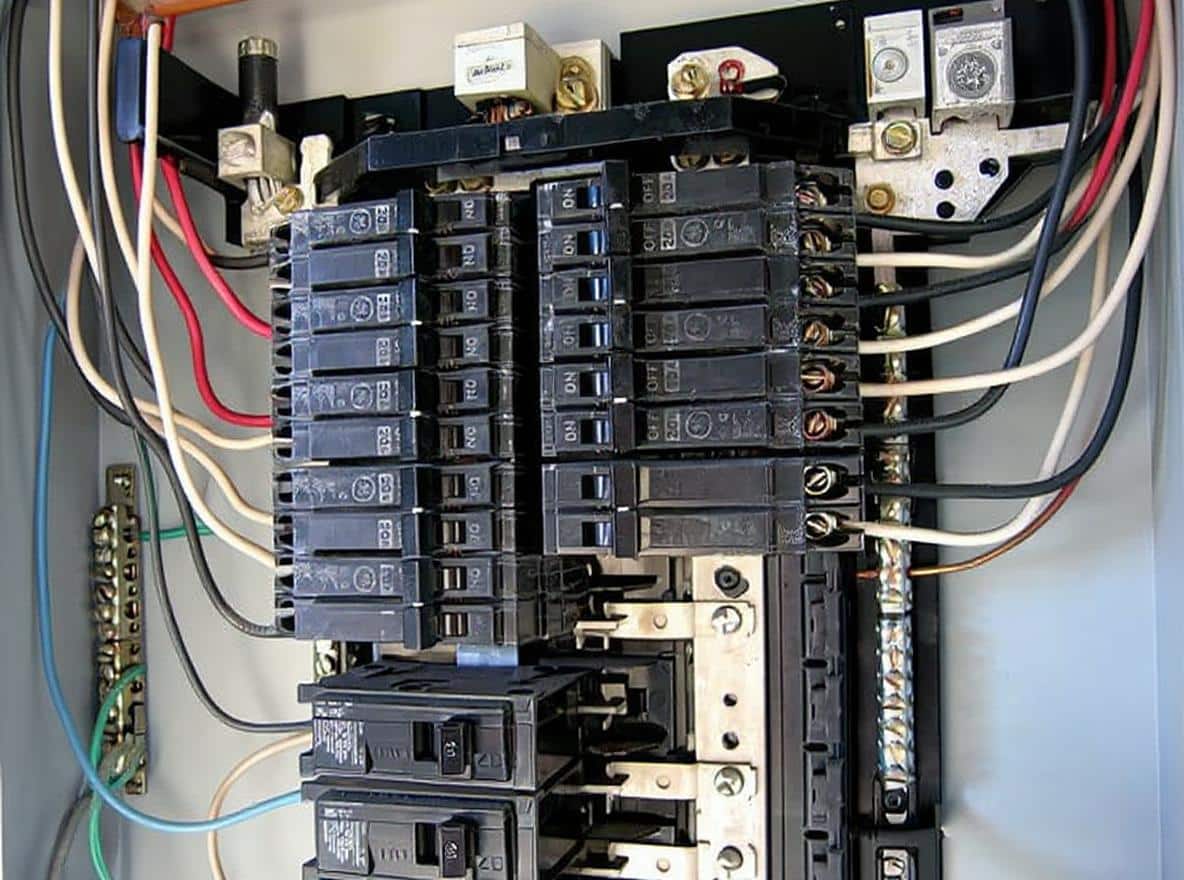
Before identifying electrical problems, it helps to understand how a home electrical system functions. Electricity flows from the utility line into the electrical panel, where power is distributed to different circuits throughout the house. Each circuit supplies electricity to outlets, switches, lighting fixtures, and appliances.
Key Components of a Home Electrical System
Several components work together to distribute power safely:
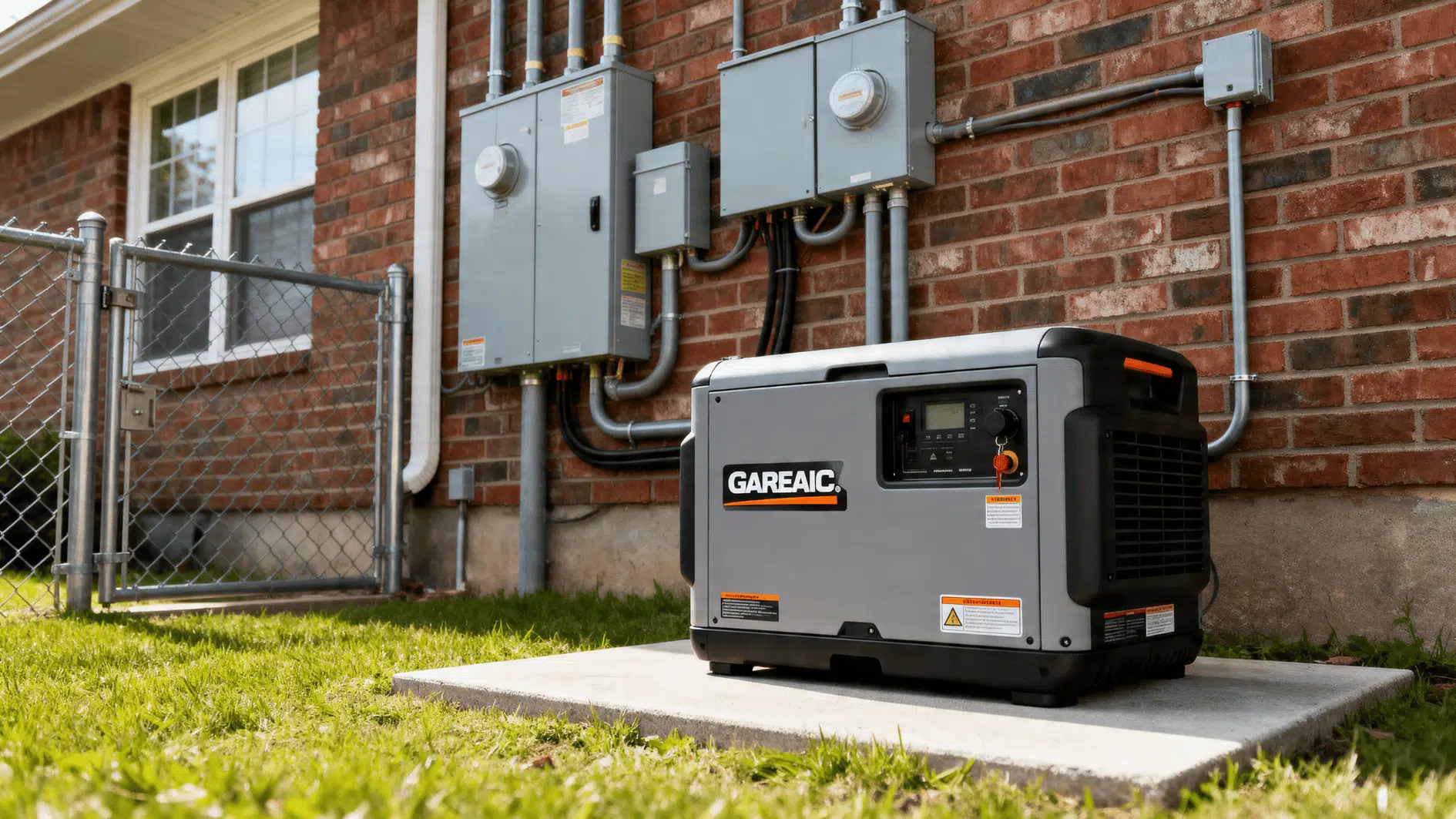
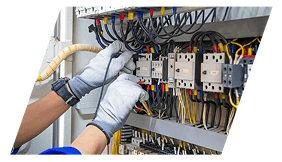
Electrical Panel: The panel acts as the main control center for your home’s electricity. It divides incoming power into multiple circuits and protects them with circuit breakers.
Circuit Breakers: Breakers automatically shut off electricity when circuits become overloaded or short circuits occur. This helps prevent overheating and fire hazards.
Wiring: Electrical wires carry electricity from the panel to outlets, switches, and fixtures. Properly installed wiring ensures consistent power flow and safe operation.
Outlets and Switches: These devices allow you to connect appliances and control lighting within your home.
Understanding these components makes it easier to recognize where problems may originate when troubleshooting electrical issues.
How Electricity Flows Through Home Wiring
Electricity moves through a network of wires in a controlled path. When you turn on a switch or plug in an appliance, electricity travels from the panel through the circuit wiring and returns back through a neutral path.
If any part of this pathway becomes damaged, loose, or overloaded, the flow of electricity can be disrupted. This can lead to power interruptions, appliance malfunctions, or even electrical hazards.
Common Household Electrical Problems
Many electrical issues homeowners experience are fairly common. Recognizing them early can help prevent more serious system failures.
Flickering or Dimming Lights
Lights that flicker or dim frequently may indicate loose wiring connections or overloaded circuits. Sometimes the issue occurs when large appliances start up and draw extra power from the same circuit.
Occasional flickering may not be serious, but persistent problems should be inspected because they can signal unstable electrical connections.
Frequently Tripping Circuit Breakers
Circuit breakers are designed to trip when too much electricity flows through a circuit. This safety feature prevents wires from overheating.
Common causes of frequent breaker trips include:
- Overloaded circuits
- Short circuits
- Faulty appliances
- Damaged wiring
Repeated breaker trips should not be ignored. They usually indicate a problem that requires proper electrical troubleshooting.
Dead Outlets or Power Loss in Certain Rooms
Sometimes an outlet stops working while others in the home remain functional. This can happen due to a tripped breaker, a tripped GFCI outlet, or loose wiring connections behind the outlet.
Power loss in a specific room may also indicate a damaged circuit or wiring fault.
Signs of Faulty or Unsafe Electrical Wiring
Electrical wiring problems often reveal themselves through visible or noticeable warning signs. Paying attention to these signals can help prevent dangerous situations.
Burning Smell from Outlets or Switches
A burning smell near outlets or switches should always be taken seriously. It may indicate overheating wires or melting insulation.
If you notice this smell, turn off power to the affected circuit immediately and contact a qualified electrician.
Buzzing Sounds from Electrical Fixtures
Electrical systems should operate quietly. Buzzing sounds from outlets, switches, or light fixtures may indicate loose wiring connections or overloaded circuits.
Ignoring these sounds could lead to more serious electrical failures.
Warm or Discolored Wall Outlets
Outlets should never feel hot to the touch. Heat or discoloration around an outlet often indicates excessive electrical load or damaged wiring.
This situation requires prompt attention to prevent potential fire hazards.
Basic Electrical Troubleshooting Steps for Homeowners
Basic electrical troubleshooting can help identify the source of simple problems before calling a professional electrician.
Checking the Electrical Panel and Breakers
Start by checking your electrical panel. A breaker may have tripped due to an overloaded circuit.
If a breaker is in the middle position, switch it fully off and then back on. If the breaker continues to trip repeatedly, the circuit may be overloaded or damaged.
Inspecting Outlets and Light Switches
Look for signs of damage such as loose outlets, cracked plates, or burn marks around switches. These signs can indicate underlying wiring issues.
If an outlet stops working, check nearby GFCI outlets. Pressing the reset button may restore power.
Identifying Overloaded Circuits
Overloaded circuits occur when too many devices draw power from the same circuit. This commonly happens in kitchens, home offices, or entertainment areas.
Reducing the number of devices connected to a circuit can help restore normal operation and prevent repeated breaker trips.
While these steps can help identify simple issues, complex electrical troubleshooting should always be handled by a trained professional.
Electrical Safety Tips During Troubleshooting
Safety should always be the top priority when dealing with electrical systems.
Turning Off Power Before Inspection
Always turn off power at the circuit breaker before inspecting outlets, switches, or wiring. This reduces the risk of electrical shock.
Using Proper Electrical Safety Tools
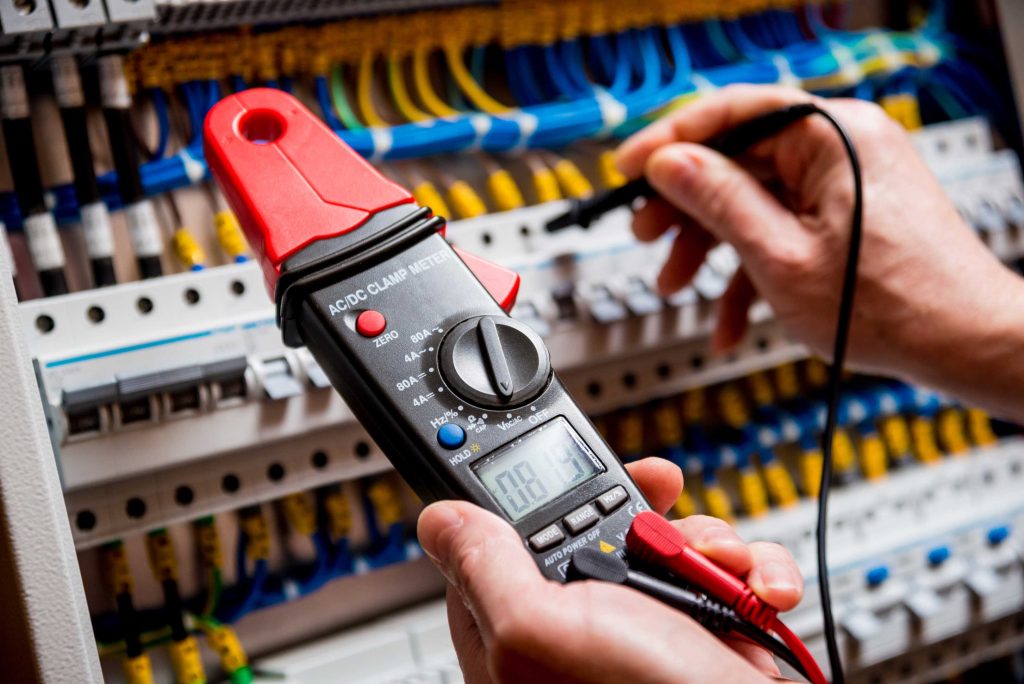
Basic safety tools such as voltage testers and insulated screwdrivers help verify whether power is present before touching electrical components.
Using proper tools helps prevent accidents during inspection.
Avoiding DIY Repairs on Complex Wiring
Homeowners should avoid attempting complicated wiring repairs. Electrical systems involve precise connections and safety standards that require professional expertise.
If you are unsure about a repair, contacting a licensed electrician is always the safest choice.
When to Call a Professional Electrician for Electrical Troubleshooting
Some electrical problems require professional diagnosis and repair.
Persistent Electrical Problems
If the same issue keeps returning despite basic troubleshooting, it may indicate deeper wiring problems within the system.
A qualified electrician can inspect circuits, test connections, and identify hidden faults.
Upgrading or Replacing Old Wiring
Older homes may still contain outdated wiring systems that cannot safely handle modern electrical loads.
Upgrading wiring improves safety, reliability, and energy efficiency.
Professional Electrical Inspection for Safety
Routine electrical inspections help detect potential hazards before they become serious problems. A professional electrician can evaluate the condition of wiring, panels, and circuits to ensure everything operates safely.
Preventive Maintenance for Safer Home Wiring
Preventive maintenance plays an important role in maintaining a safe and reliable electrical system.
Simple maintenance practices include:
- Scheduling regular electrical inspections
- Avoiding circuit overloads
- Replacing damaged outlets and switches
- Upgrading outdated electrical panels
- Keeping wiring connections secure
These steps help maintain a stable electrical system and reduce the risk of unexpected power problems.
When homeowners understand the basics of electrical systems and recognize warning signs early, they can take proactive steps to protect their property and family. While minor issues can sometimes be identified through basic electrical troubleshooting, professional service ensures repairs are completed safely and correctly.
FAQs
1. What are the most common electrical problems in homes?
Common electrical problems include flickering lights, frequently tripping breakers, dead outlets, overloaded circuits, and outdated wiring.
2. Is it safe to perform electrical troubleshooting at home?
Basic inspections such as checking breakers or resetting GFCI outlets can be done safely. However, complex wiring repairs should always be handled by a licensed electrician.
3. Why do circuit breakers trip frequently?
Circuit breakers usually trip when circuits are overloaded, when a short circuit occurs, or when a faulty appliance draws too much power.
4. What should I do if an outlet smells like it is burning?
Turn off the power to that circuit immediately and contact a professional electrician. A burning smell can indicate overheating wires or damaged connections.
5. How often should a home electrical system be inspected?
Most experts recommend a professional electrical inspection every few years, especially in older homes or when new appliances are added to the system.