A homeowner once described it like this: “Everything felt fine upstairs, but something was off in the air.” The house wasn’t broken. The HVAC system wasn’t failing. The real issue was hidden below the floor in the crawlspace.
That’s the part many people forget about until comfort starts slipping and energy bills quietly climb. The connection between what happens under your home and how your HVAC performs is much tighter than most realize.
When Crawlspace Moisture builds up, it doesn’t stay contained. It moves upward, affects airflow, and slowly changes how your entire heating and cooling system behaves.
Key Takeaways
- Crawlspace conditions directly influence HVAC efficiency and indoor comfort
- Moisture increases strain on equipment and can shorten system lifespan
- Poor crawlspace control often leads to humidity and air quality issues indoors
- Proper sealing and insulation improve long-term system performance
Why the Crawlspace Matters More Than You Think
Most homeowners think of HVAC problems as equipment issues. In reality, a large portion of performance problems start with the environment around the system, especially beneath the home.
Crawlspace Moisture changes the balance of air and humidity entering the living space. Once that balance shifts, the HVAC system has to compensate constantly.
Simple definition
Crawlspace Moisture refers to excess water vapor or dampness trapped under a home due to poor ventilation, ground evaporation, or drainage issues. It creates a humid environment that impacts structural materials and airflow systems above it.
When humidity rises under the house, it becomes harder for your HVAC system to maintain stable indoor conditions.
How Moisture Quietly Disrupts HVAC Performance
Think of your HVAC system like a regulator. It is designed to balance temperature and humidity. But when the air coming from below is already saturated, it never gets a fair starting point.
1. Higher humidity load
Your system must remove extra moisture from incoming air, which increases runtime and energy use.
2. Reduced cooling efficiency
Humid air feels warmer, which leads to longer cooling cycles and uneven temperatures.
3. Air quality decline
Damp conditions often lead to mold growth in crawlspace, which can affect airflow quality throughout the home.
4. Ductwork stress
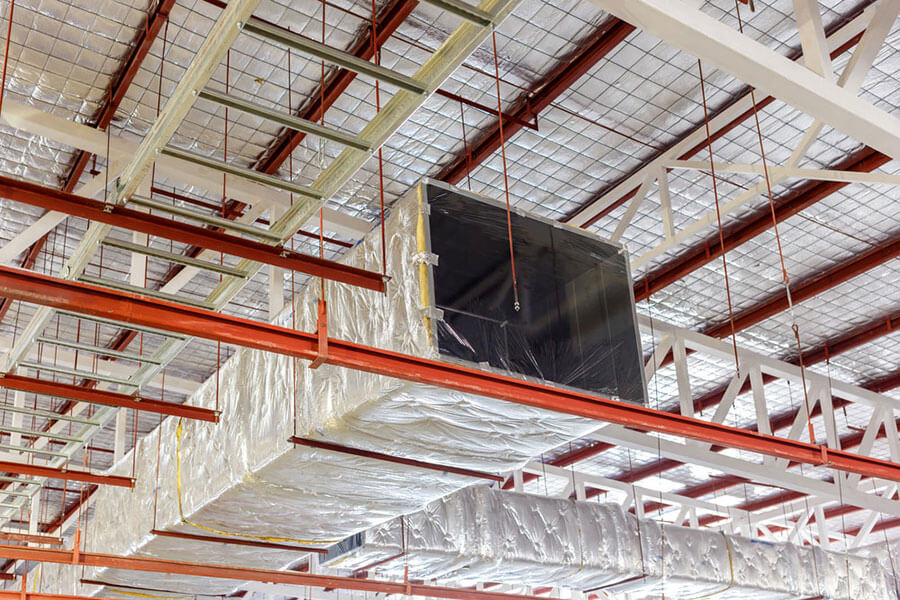
Moist environments can cause condensation on air ducts, especially when cold air passes through uninsulated or poorly sealed lines.
5. System overwork
Over time, this constant strain reduces efficiency and increases wear on motors and components.
The Hidden Chain Reaction Inside Your Home
Once Crawlspace Moisture becomes persistent, it triggers a chain reaction that moves upward:
- Damp air rises into flooring cavities
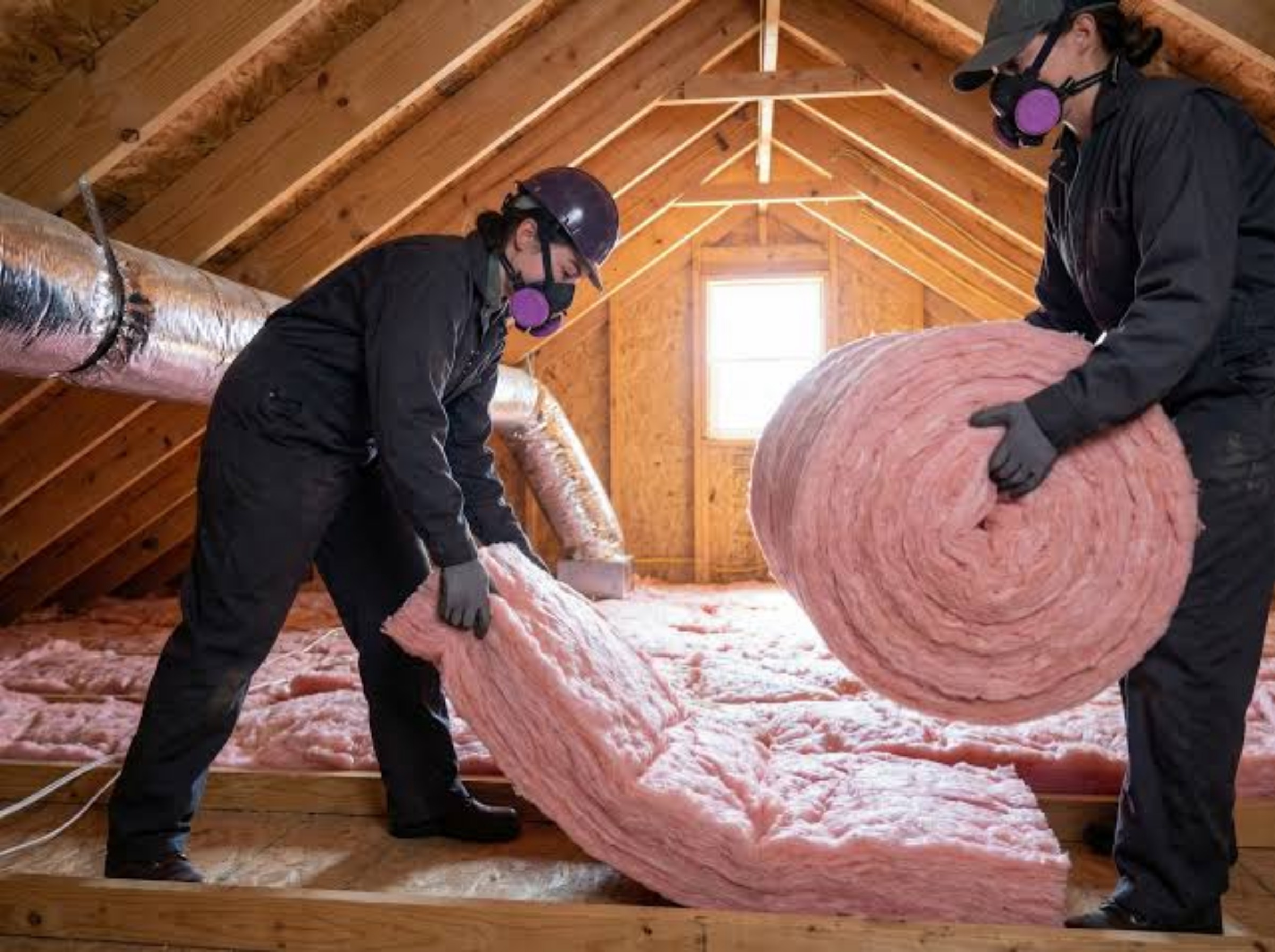
- Insulation absorbs moisture and loses performance
- HVAC pulls in more humid air
- System runs longer cycles
- Energy usage increases
A common misconception is that HVAC inefficiency always starts with the unit itself. In reality, the root cause is often environmental imbalance under the home.
Crawlspace Encapsulation as a Control Strategy
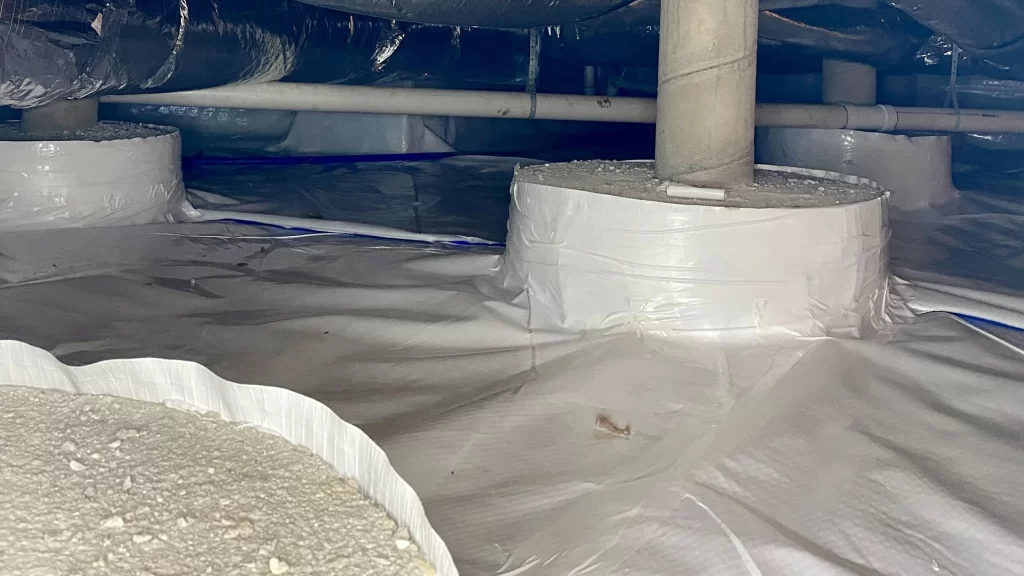
One of the most effective long-term solutions is sealing and conditioning the crawlspace properly.
Crawlspace encapsulation benefits
Encapsulation helps block external moisture, stabilize humidity levels, and protect HVAC performance by creating a controlled environment under the home.
Simple framework for understanding improvement
Moisture Control Framework:
- Seal ground vapor sources
- Control humidity levels
- Insulate critical surfaces
- Improve airflow management
- Monitor seasonal changes
When these steps are done correctly, HVAC systems no longer fight constant humidity intrusion.
Moisture Damage and Energy Loss
Unchecked Crawlspace Moisture can quietly increase energy consumption.
Wet insulation loses effectiveness, forcing HVAC systems to work harder. Over time, this leads to energy loss from wet insulation, especially during peak cooling and heating seasons.
You may not see the problem directly, but you feel it through:
- Higher utility bills
- Longer HVAC cycles
- Inconsistent room temperatures
- Persistent indoor dampness
This is where many homeowners first realize something under the house is affecting everything above it.
Crawlspace Issues vs HVAC Impact
Crawlspace Condition | HVAC Effect | Simple Cue | Common Mistake |
High humidity under house | Longer cooling cycles | Rooms feel sticky | Ignoring seasonal humidity changes |
Mold growth in crawlspace | Air quality issues | Musty indoor smell | Assuming it is only an HVAC filter issue |
Condensation on air ducts | Reduced efficiency | Water droplets on ductwork | Lack of insulation or sealing |
Wet insulation | Energy loss | Rising utility bills | Not checking crawlspace condition |
A Real-World Scenario
A homeowner notices uneven cooling in summer. The upstairs feels warm while the downstairs stays cooler but humid. The HVAC system runs longer than usual, yet comfort never stabilizes.
Inspection reveals a damp crawlspace with trapped humidity and deteriorating insulation. Once the space is sealed and moisture controlled, airflow normalizes and the HVAC system begins operating in shorter, more efficient cycles.
This kind of situation is more common than most people expect, especially in humid climates.
Common Misunderstandings About Crawlspace Moisture
One of the biggest misconceptions is that ventilation alone solves everything. In reality, unmanaged airflow can sometimes bring in more humid air, making conditions worse.
Another misunderstanding is assuming HVAC upgrades will fix comfort issues without addressing the crawlspace. Even a high-efficiency system will struggle if it constantly pulls in moisture-heavy air.
As the old engineering principle goes:
“You cannot solve a system problem by only upgrading the output if the input is unstable.”
That applies directly here. The crawlspace is part of the system input.
When to Consider Professional Help
If you notice recurring humidity issues, musty smells from vents, or rising energy bills, it may be time to evaluate the crawlspace conditions alongside HVAC performance.
This is where Crawlspace Encapsulation Services in Cameron becomes relevant for homeowners looking for a long-term fix rather than temporary improvements.
Professionally managed solutions focus on stabilizing the environment so the HVAC system can operate the way it was designed to.
Conclusion
The connection between your crawlspace and HVAC system is not obvious at first glance, but it is powerful. Crawlspace Moisture changes how air moves, how equipment performs, and how comfortable your home feels day to day.
When moisture is left unchecked, it leads to inefficiency, higher costs, and gradual system strain. When controlled properly, everything from airflow to energy usage improves naturally.
Understanding this relationship is the first step toward a healthier, more efficient home environment.
Summary
Crawlspace conditions play a major role in HVAC performance, especially when moisture levels rise. Damp environments increase system workload, reduce efficiency, and affect indoor air quality. Addressing these issues early helps stabilize comfort and reduce long-term costs. With proper moisture control and sealing strategies, homeowners can significantly improve overall system performance.
FAQ
1. How does crawlspace moisture affect HVAC performance?
It increases humidity levels entering the system, forcing HVAC units to run longer and work harder to maintain comfort.
2. Can crawlspace moisture cause high energy bills?
Yes, excess moisture reduces insulation efficiency and increases system runtime, which raises energy usage.
3. What are signs of crawlspace moisture problems?
Musty odors, uneven temperatures, and visible condensation or damp insulation are common indicators.
4. Does sealing the crawlspace really help HVAC efficiency?
Yes, sealing and controlling moisture helps stabilize airflow and reduces strain on HVAC equipment.
5. When should I consider professional crawlspace services?
If humidity, odors, or energy issues persist, professional inspection and encapsulation can provide long-term improvement.