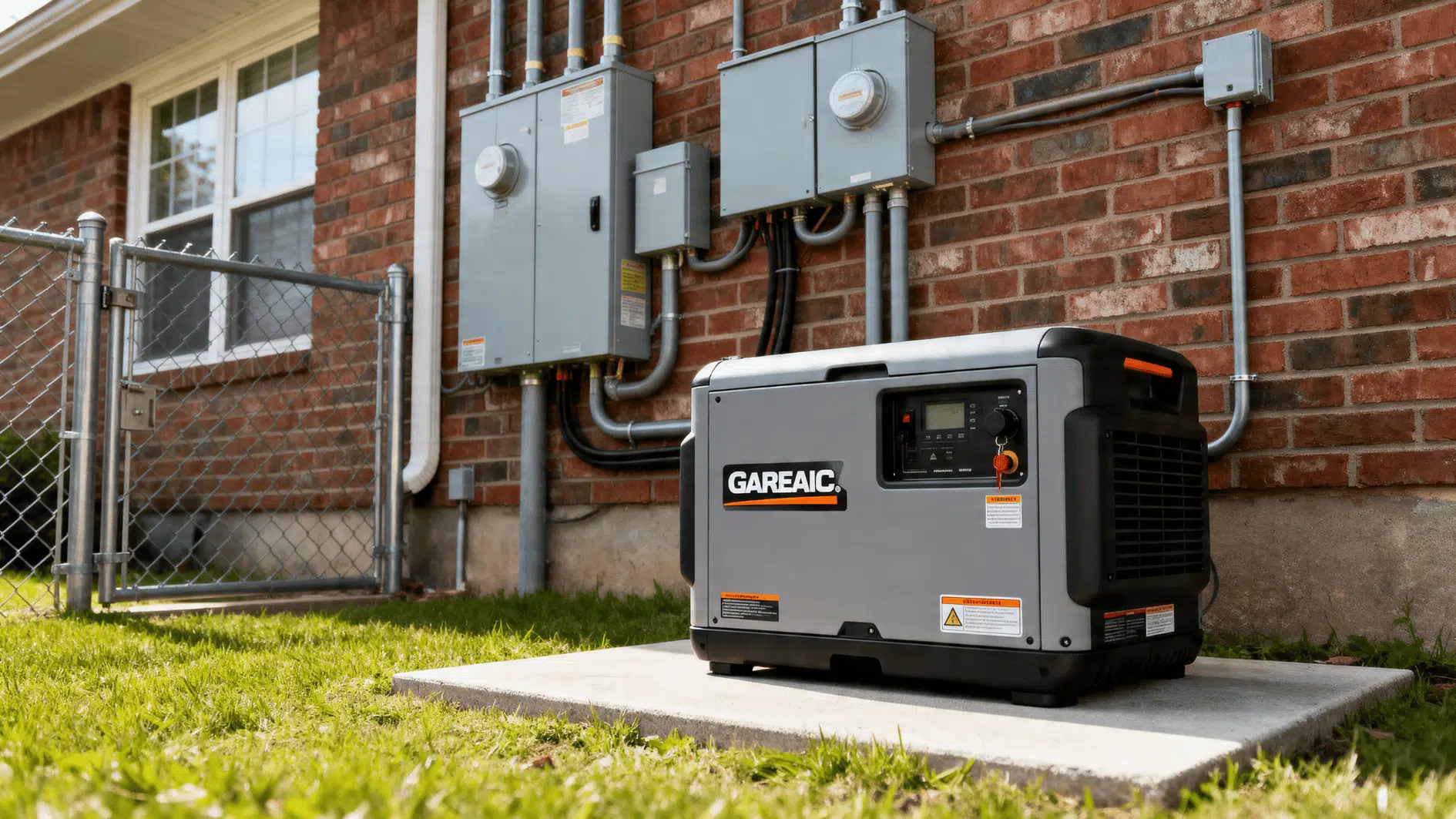
Having a reliable home generator is essential for homeowners who want uninterrupted power during outages. Storms, electrical failures, or unexpected grid issues can strike at any time, and without a properly maintained generator, your home could be left in the dark. That’s why a Generator Maintenance Checklist is critical for every homeowner who wants peace of mind and dependable backup power.
Regular maintenance not only ensures that your generator functions efficiently but also extends its lifespan, improves safety, and prevents costly repairs. In this blog, we’ll break down an annual generator maintenance guide that homeowners can follow to keep their systems in top shape.
Why Annual Home Generator Maintenance Is Important
Proper upkeep of your generator is more than just a precaution—it’s an investment in reliability and safety. Generators, like any mechanical and electrical system, can develop issues over time. Without routine checks and servicing, minor problems can turn into significant failures, often appearing right when you need the generator most.
Reliable Backup Power for Your Home
The main purpose of a home generator is to provide backup power when the grid fails. If it hasn’t been properly maintained, your generator may fail to start, or it may not deliver sufficient power. Regular annual maintenance ensures that your generator starts smoothly, runs efficiently, and provides consistent electricity when emergencies strike. This is particularly important for families with critical medical devices, home offices, or other essential equipment.
Extending the Lifespan of Your Generator
Generators involve several components that wear over time, such as the engine, battery, fuel system, and filters. Routine inspections and timely servicing help prevent premature wear and tear. Replacing worn parts, changing oil, and keeping the system clean ensures that your generator operates efficiently for years. Homeowners who follow an annual maintenance schedule typically enjoy longer-lasting generators with fewer unexpected repairs.
Home Generator Maintenance Checklist
A structured Generator Maintenance Checklist simplifies the upkeep process, ensuring no essential step is missed. Here are the key tasks homeowners should address annually.
Checking Oil and Replacing Filters
Oil and air filters are critical for smooth generator operation. Dirty filters or old oil can strain the engine, reduce efficiency, and cause damage. Check the oil level regularly and replace it according to the manufacturer’s recommendations. Similarly, inspect air and fuel filters and replace them if clogged or worn. Clean components help the engine run smoothly and prevent costly repairs.
Battery Maintenance and Fuel System Inspection
The battery is responsible for starting your generator, so keeping it in optimal condition is essential. Inspect the battery terminals for corrosion, ensure the connections are tight, and test the battery charge periodically. For generators that run on fuel, check fuel lines and storage tanks for leaks or degradation. Old or contaminated fuel can prevent your generator from starting or cause poor performance, so replacing fuel as needed is an important part of annual maintenance.
Running the Generator and Load Testing
Simply checking the components is not enough; running your generator under load ensures it operates as intended. Periodically start the generator and let it run for a short period to confirm that all systems function correctly. Load testing simulates real-world usage, helping identify issues before an actual outage occurs. This step is crucial for ensuring your generator is ready when you need it most.
Signs Your Generator Needs Maintenance
Even with regular checks, it’s important to watch for warning signs that your generator requires attention. Promptly addressing these issues can prevent larger problems and ensure reliable operation.
Common Generator Problems to Watch For
Some common issues include difficulty starting the generator, unusual noises, excessive smoke, or inconsistent power output. These are indicators that the engine, fuel system, or electrical components may need inspection or repair. Catching these problems early can save homeowners significant time and money.
Troubleshooting Standby Generator Issues
If your generator struggles during startup or fails under load, troubleshooting is necessary. This may involve checking the fuel supply, battery, spark plugs, or circuit connections. While some minor troubleshooting can be performed by homeowners, more complex issues may require professional expertise to resolve safely and effectively.
Safety and Professional Maintenance
Maintaining a home generator isn’t just about performance—it’s also about safety. Generators handle fuel and electrical systems that can be hazardous if not properly maintained.
Generator Safety Tips for Homeowners
Always operate your generator in a well-ventilated area to avoid carbon monoxide buildup. Avoid overloading the system and follow manufacturer instructions carefully. Regular inspections for leaks, worn components, or loose wiring can prevent accidents and ensure safe operation.
When to Call a Professional
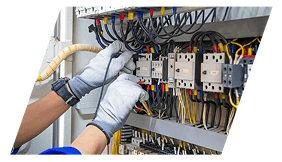
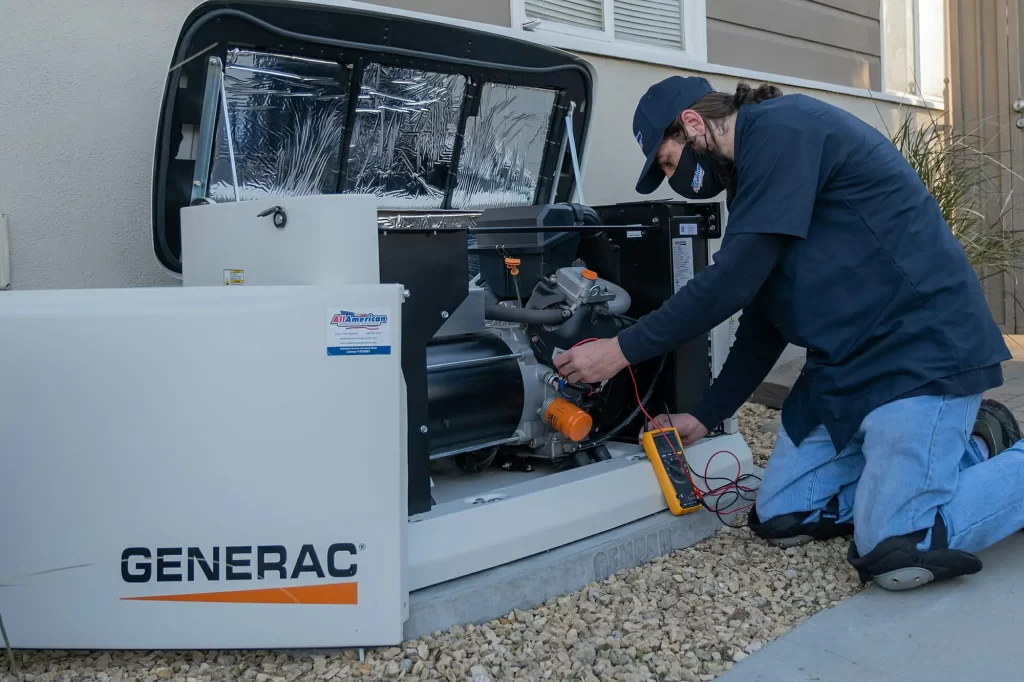
While homeowners can handle basic inspections and maintenance tasks, professional servicing is recommended at least once a year. Technicians have the tools and experience to perform deeper diagnostics, test load capacity, and ensure the generator meets manufacturer standards. Calling a professional can prevent unexpected failures and ensure your backup power system is fully reliable.
Benefits of Professional Generator Maintenance
Professional generator maintenance provides peace of mind. Technicians can identify hidden issues, replace worn parts, and calibrate the system for optimal performance. Investing in expert service ensures your generator will work efficiently during outages and extends its overall lifespan. For residents in Cameron, NC, JL HVAC & ELECTRICAL LLC offers comprehensive Generator Maintenance Services in Cameron, NC, combining expertise with reliable service to keep your system ready for any emergency.
FAQs
1. How often should I perform generator maintenance?
Annual maintenance is recommended, with additional checks before peak storm or outage seasons to ensure the system is ready when needed.
2. Can I perform generator maintenance myself?
Yes, homeowners can handle basic tasks like checking oil, inspecting filters, and running the generator. For detailed inspections or troubleshooting, professional service is advised.
3. What are common signs my generator needs servicing?
Difficulty starting, unusual noises, excessive smoke, or inconsistent power output are common indicators that maintenance or repairs are needed.
4. Why is load testing important?
Load testing simulates real-world operation, helping confirm that the generator can handle the expected electrical demand and function properly during an outage.
5. Is professional generator maintenance necessary every year?
Yes. Professionals can perform deeper diagnostics, detect hidden issues, and ensure that all components meet manufacturer standards, maximizing performance and safety.
Regular upkeep of your home generator ensures reliable backup power, prevents costly repairs, and keeps your household safe. By following an annual Generator Maintenance Checklist, homeowners can identify problems early, maintain efficiency, and extend the life of their systems. With professional support from trusted providers like JL HVAC & ELECTRICAL LLC, you can be confident your generator will perform whenever you need it.