Imagine this. A powerful storm rolls through your neighborhood late at night. Within seconds, the lights go out, the air conditioner stops running, and the refrigerator falls silent. While your neighbors search for flashlights and wonder when the power will return, your home barely skips a beat. The lights come back on automatically, your HVAC system keeps running, and life continues almost as normal.
That peace of mind is one of the biggest reasons homeowners are choosing Standby Generator Installation. As power outages become more disruptive due to severe weather and aging electrical infrastructure, having a dependable backup power source is no longer just a luxury. For many families, it is becoming an essential investment.
According to the U.S. Energy Information Administration, the average U.S. electricity customer experiences about 1.3 power interruptions per year, totaling roughly four hours without electricity annually. The duration varies significantly by location and weather conditions. Source: https://www.eia.gov/todayinenergy/detail.php?id=35652&utm_source
Key Takeaways
- A standby generator restores power automatically during an outage.
- It protects your family, home, and essential appliances.
- It adds convenience, safety, and long-term property value.
- Professional installation ensures reliable performance for years to come.
What Is a Standby Generator Installation?
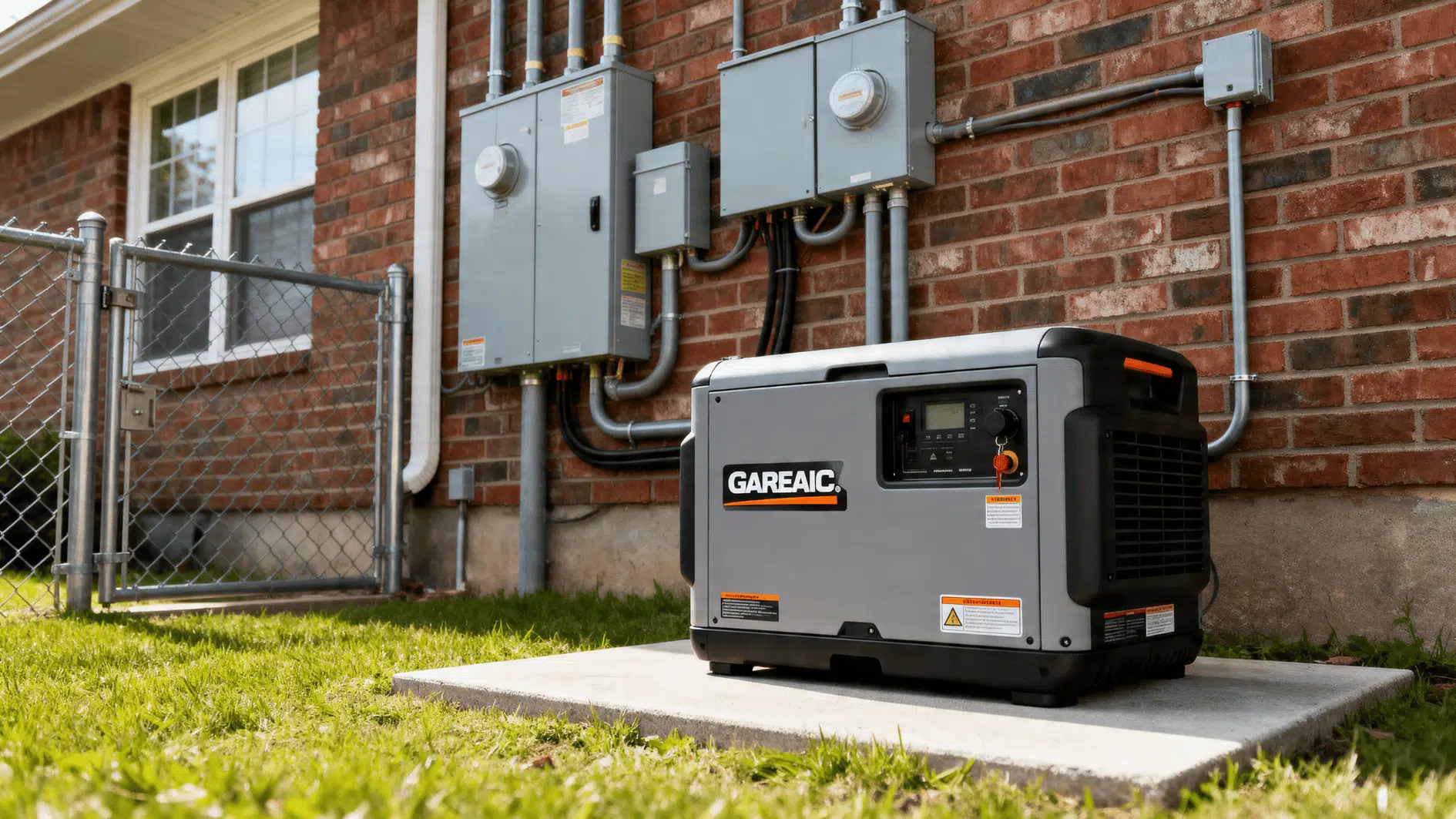
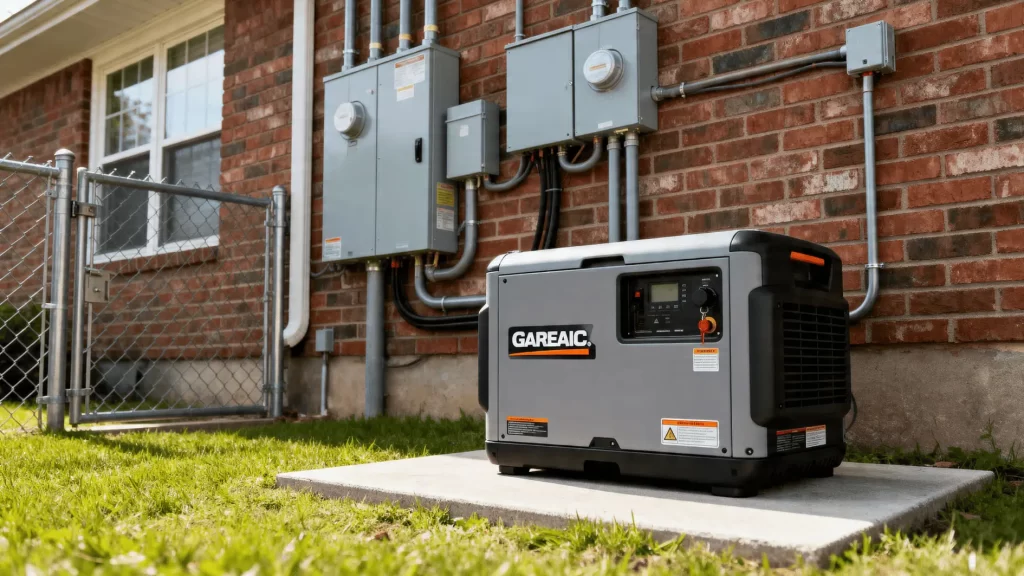
A Standby Generator Installation is the permanent installation of an automatic backup generator that connects directly to your home’s electrical system. When utility power fails, the generator detects the outage and supplies electricity without requiring you to manually start the unit.
Unlike portable generators, standby systems are designed for seamless operation and can power selected circuits or your entire home, depending on the system you choose.
Why More Homeowners Are Investing in Standby Generators
Power outages affect more than lighting. They interrupt work, food storage, home security, heating, cooling, and communication. For households with young children, seniors, or family members using medical equipment, losing electricity can quickly become a serious concern.
A home standby generator helps reduce these risks while making your home more resilient during unexpected emergencies.
Top Benefits of Investing in a Standby Generator Installation
1. Automatic Power Restoration
Perhaps the greatest advantage is convenience.
An automatic standby generator constantly monitors your electrical service. If the utility power fails, the system starts within seconds and transfers your home’s electrical load automatically.
There is no need to go outside in bad weather, connect extension cords, or manually start equipment.
This automatic power restoration helps keep daily life running with minimal interruption.
2. Protects Essential Appliances
Modern homes depend on electricity for nearly everything.
A backup generator for home can continue powering essential equipment such as:
- Refrigerators and freezers
- HVAC systems
- Medical equipment
- Security systems
- Internet routers
- Home office equipment
- Well pumps
- Garage door openers
Keeping these systems operating can prevent expensive losses and reduce stress during extended outages.
3. Improves Family Safety
Dark homes create unnecessary risks.
Without electricity, stairways become hazardous, alarm systems may stop working, and communication becomes more difficult.
A permanent backup generator provides reliable emergency power that helps your household remain safe while maintaining lighting, security, and communication devices.
Families with elderly relatives or individuals who rely on powered medical equipment often consider uninterrupted power supply one of the most valuable benefits.
A Simple Framework for Choosing Backup Power
When deciding whether a standby generator makes sense, remember the SAFE Framework.
- Secure your essential appliances.
- Assess how often outages occur.
- Find the right generator size.
- Ensure professional installation and maintenance.
Using this simple approach helps homeowners invest confidently instead of making rushed decisions after a major storm.
More Than Convenience. It Protects Your Investment
A prolonged outage can cause much more than temporary inconvenience.
Food spoils.
Frozen pipes can burst during winter.
Humidity increases indoors during summer.
Electronics may become vulnerable to power fluctuations when electricity returns.
A properly installed home electrical backup system helps reduce these risks by keeping critical equipment operating continuously.
Many homeowners also appreciate the confidence of knowing their heating or cooling system will continue running regardless of weather conditions.
Standby Generator vs Portable Generator
One common misconception is that portable generators provide the same experience.
While portable models have their place, they require manual setup, fuel handling, extension cords, and continuous monitoring.
Feature | Standby Generator | Portable Generator |
Startup | Automatic | Manual |
Power Supply | Whole or partial home | Limited appliances |
Safety | Permanently installed | Requires careful setup |
Convenience | High | Moderate |
Long-Term Value | Excellent | Limited |
For homeowners looking for dependable whole home backup power, a permanently installed system typically provides a more practical long-term solution.
Common Misconceptions About Standby Generators
“Power outages rarely happen.”
Even areas with relatively stable electrical service experience outages caused by storms, fallen trees, vehicle accidents, or equipment failures.
You may not need backup power every month, but when an outage occurs, preparation makes a significant difference.
“Generators are only for luxury homes.”
Today’s residential generator installation options are available in a variety of sizes designed to match different homes and budgets.
Many homeowners choose systems that power only their most important appliances, making installation more affordable.
“Installation is too complicated.”
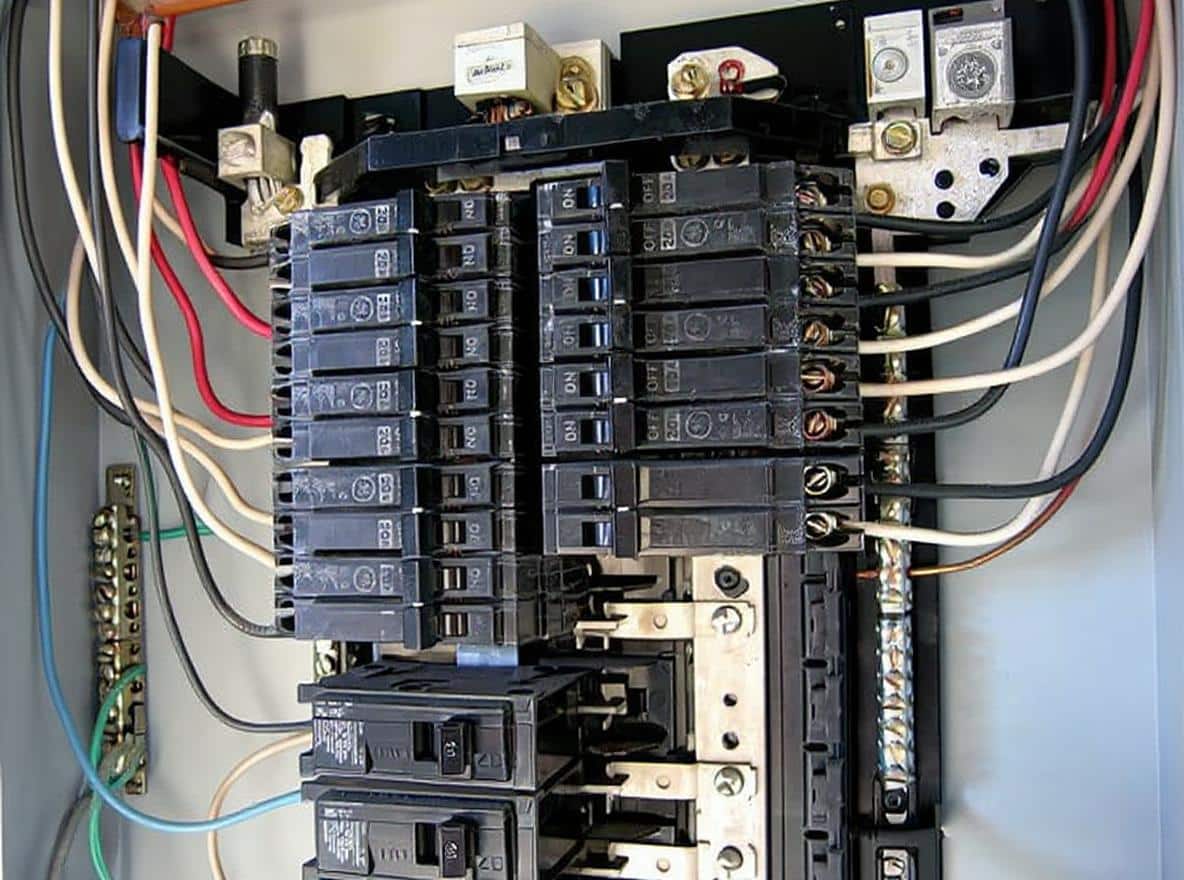
Professional installers evaluate your electrical panel, fuel source, generator capacity, and local building requirements before installation begins.
The result is a system designed specifically for your home’s electrical needs.
A Real-Life Example
Consider a family living in a region where thunderstorms regularly interrupt electrical service.
During one summer storm, the neighborhood loses power for several hours.
Without backup power, the family’s refrigerator begins warming, the air conditioner shuts off, and remote work comes to a stop.
With an automatic standby generator, power returns almost immediately after the outage begins. The refrigerator stays cold, internet service continues through the router and modem, and the family remains comfortable while waiting for utility service to be restored.
That difference is difficult to appreciate until you experience an outage yourself.
Choosing the Right Generator Size
Not every home needs the same amount of backup power. A generator should match your household’s electrical demands rather than simply being the largest model available.
Think about what you want to keep running during an outage.
- HVAC equipment
- Refrigerator and freezer
- Lighting
- Kitchen appliances
- Internet and communication devices
- Medical equipment
- Well pumps
- Home security systems
A licensed professional can perform a load calculation to determine the appropriate generator capacity. This helps prevent overloading while avoiding unnecessary installation costs.
Understanding Generator Installation Cost
Many homeowners focus only on the purchase price, but several factors influence the total generator installation cost.
These include:
- Generator size and power output
- Fuel source such as natural gas or propane
- Electrical panel upgrades, if needed
- The installation location
- Local permitting requirements
- Transfer switch installation
- Site preparation
Although the initial investment may seem significant, many homeowners view it as protection against costly food spoilage, property damage, business interruptions, and the inconvenience of prolonged outages.
The Importance of Professional Installation
A standby generator is far more complex than plugging in a portable unit. It becomes part of your home’s electrical infrastructure and must meet safety codes.
Professional installation helps ensure:
- Safe electrical connections
- Proper sizing
- Correct placement for ventilation
- Reliable operation
- Compliance with local building codes
- Proper testing before use
If you are looking for Generator Installation Services in Cameron, NC, choosing an experienced contractor helps ensure your backup power system performs exactly as expected when you need it most.
Don’t Forget Generator Maintenance
Installing the generator is only the beginning.
Routine generator maintenance keeps your equipment ready for unexpected outages. Like any engine, a standby generator benefits from scheduled inspections and servicing.
Maintenance typically includes:
- Oil and filter changes
- Battery inspection
- Coolant checks
- Fuel system inspection
- Exercise cycle testing
- Electrical connection inspection
Regular maintenance helps extend equipment life while improving reliability during emergencies.
Do This, Not That
Do This | Not That |
Calculate your home’s power requirements before purchasing. | Buy the biggest generator assuming larger is always better. |
Hire a qualified installer. | Attempt complex electrical installation yourself. |
Schedule regular maintenance. | Assume the generator will always work without servicing. |
Test the system periodically. | Wait until the next outage to discover problems. |
Plan for future electrical needs. | Size the generator only for today’s minimum requirements. |
Common Mistakes Homeowners Make
Even with the best intentions, some homeowners make decisions that reduce the effectiveness of their backup power system.
Waiting Until After a Major Storm
Demand for generators often spikes after severe weather. Planning ahead gives you more equipment choices and avoids long installation delays.
Ignoring Future Needs
If you expect to add electric vehicles, home additions, or new appliances in the coming years, discuss future electrical demand before selecting a generator.
Skipping Professional Advice
Every home has different electrical requirements. A professional evaluation helps identify the right system size, placement, and fuel source for long-term reliability.
Why a Standby Generator Is a Long-Term Investment
A standby generator does more than provide electricity during an emergency.
It helps protect the things you’ve worked hard to build.
Whether that means preserving groceries after a hurricane, keeping your family comfortable during winter weather, supporting a home office, or ensuring medical equipment continues operating, the value extends well beyond convenience.
Many buyers also view backup power as an attractive home feature, making it a worthwhile investment that may increase home resale value while improving everyday peace of mind.
Conclusion
Unexpected power outages rarely happen at a convenient time. They interrupt routines, create safety concerns, and can quickly become expensive. Investing in Standby Generator Installation gives you confidence that your home will continue functioning when utility power fails.
From automatic operation and dependable emergency power backup to protecting essential appliances and supporting long-term property value, a standby generator is an investment in both comfort and security. Instead of reacting to the next outage, you can prepare for it with a solution designed to keep your household running smoothly.
If you’re considering a professionally installed backup power solution, JL HVAC & ELECTRICAL LLC can help you choose the right system for your home. For more information or to schedule a consultation, visit https://jlhvacelectrical.com/, email [email protected], or call (910) 703-2843.
Summary
A standby generator provides automatic backup power whenever your home’s electricity goes out, helping protect your family, appliances, and daily routine. Unlike portable generators, it operates automatically and delivers dependable power with minimal interruption. Choosing the right size, investing in professional installation, and keeping up with routine maintenance ensure reliable performance for years to come. For homeowners seeking greater safety, convenience, and peace of mind, a standby generator is a smart long-term investment.
Frequently Asked Questions
1. What is the biggest benefit of a standby generator?
The biggest advantage is automatic backup power. A standby generator detects an outage, starts on its own, and restores electricity within seconds without requiring manual setup.
2. Is a standby generator better than a portable generator?
For most homeowners, yes. Standby generators offer automatic operation, greater power capacity, improved safety, and a permanent installation that provides reliable whole-home or partial-home backup.
3. How often should a standby generator be serviced?
Most manufacturers recommend annual maintenance or servicing after a specified number of operating hours. Regular inspections help ensure the system is ready when an outage occurs.
4. Is investing in a standby generator worth it?
If you experience frequent power outages, rely on medical equipment, work from home, or want uninterrupted comfort and security, a standby generator can provide long-term value and dependable protection.
5. Why choose JL HVAC & ELECTRICAL LLC for generator installation?
JL HVAC & ELECTRICAL LLC provides professional standby generator installation designed to match your home’s electrical needs. The team focuses on proper sizing, safe installation, and dependable service so your backup power system is ready when you need it most.