Imagine you’re making dinner, the microwave is running, the air fryer is heating up, and someone starts a load of laundry. Suddenly, everything goes dark in part of your home. You head to the electrical panel, flip a switch, and the lights come back on. It feels like a minor inconvenience, but if it keeps happening, your electrical system is trying to tell you something.
Many homeowners wonder, “Why do circuit breakers trip?” when the problem seems to happen without warning. The truth is that a circuit breaker is one of the most important safety devices in your home. It cuts power before electrical damage, overheating, or fire hazards can occur. Understanding the reason behind a tripped breaker can help you solve minor issues safely and recognize when it’s time to call a professional.
Key Takeaways
- Circuit breakers trip to protect your home from electrical hazards.
- Overloaded circuits, short circuits, and ground faults are the most common causes.
- Some issues can be resolved safely, while others require a licensed electrician.
- Regular inspections and proper electrical usage help prevent recurring problems.
What Is a Circuit Breaker?
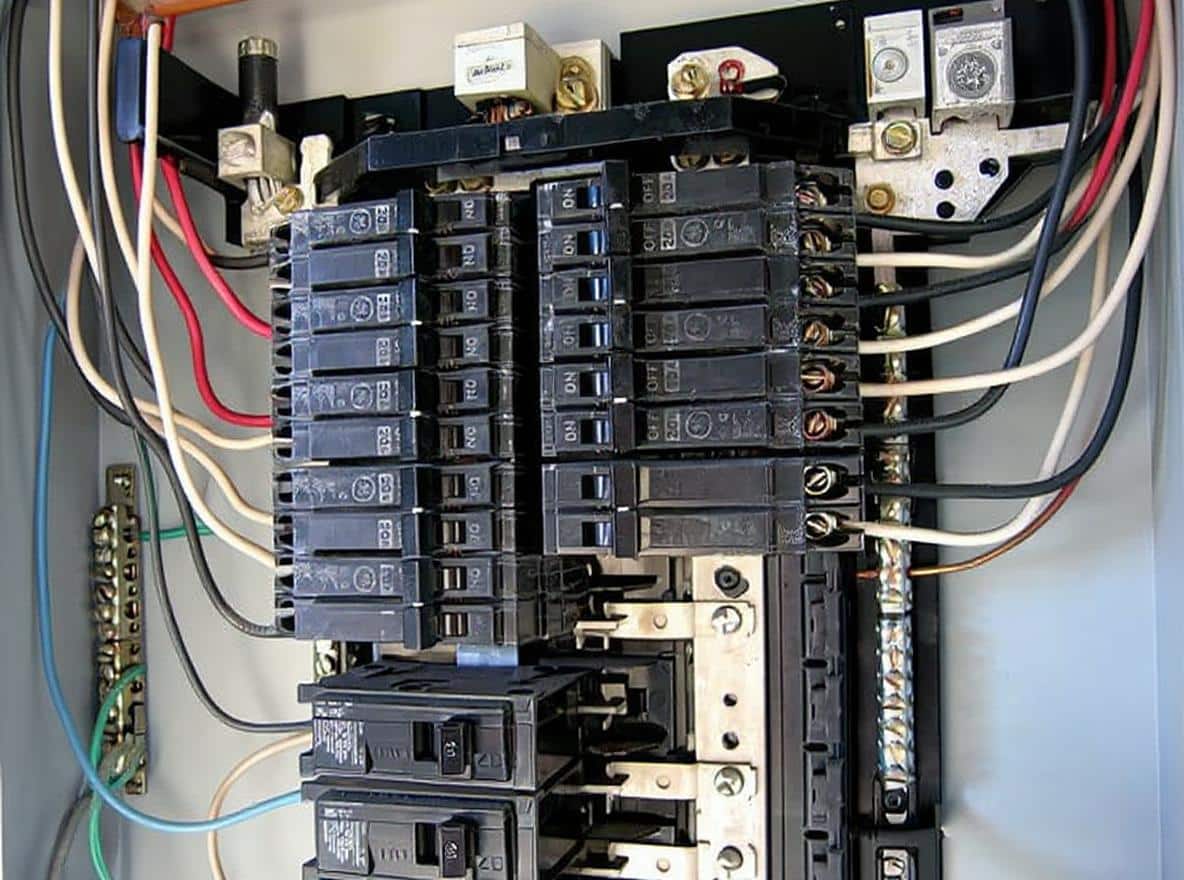
A circuit breaker is a safety device that automatically shuts off electricity when it detects too much current or a dangerous electrical fault. Its purpose is to protect your wiring, appliances, and your family from electrical hazards.
If your circuit breaker keeps tripping, it’s doing exactly what it was designed to do. The challenge is identifying what’s causing it.
Why Do Circuit Breakers Trip?
There isn’t just one answer to the question, “Why do circuit breakers trip?” Several different electrical issues can trigger a breaker, and each requires a different solution.
1. Overloaded Circuits
The most common reason is simply using more electricity than a circuit was designed to handle.
Think about plugging a microwave, toaster oven, coffee maker, and electric kettle into outlets connected to the same circuit. The combined electrical demand exceeds the circuit’s capacity, causing the breaker to trip.
Common overloaded circuit symptoms include:
- Lights dimming when appliances start
- Warm outlets
- Frequent breaker trips
- Buzzing sounds from outlets
2. Short Circuits
A short circuit occurs when a hot wire touches another wire or a neutral wire unexpectedly. This creates an immediate surge of electricity.
Some short circuit warning signs include:
- Burning smell
- Scorch marks around outlets
- Sparks
- Breaker trips immediately after resetting
Short circuits should never be ignored because they can create serious fire risks.
3. Ground Faults
Ground faults happen when electricity takes an unintended path to the ground, often through metal or moisture.
Bathrooms, kitchens, garages, and outdoor outlets are especially vulnerable because water increases the chance of electrical faults.
That’s why modern homes use ground fault protection through GFCI outlets in these areas.
4. Faulty Appliances
Sometimes the breaker isn’t the problem at all.
An aging refrigerator, damaged space heater, or malfunctioning washing machine can draw excessive power or develop internal electrical faults.
A simple way to test this is to unplug everything connected to the affected circuit before resetting the breaker. Plug appliances back in one at a time until you identify the culprit.
5. Damaged Wiring
Older homes may contain worn insulation, loose connections, or faulty electrical wiring hidden behind walls.
Because wiring problems aren’t visible, they often go unnoticed until breakers begin tripping repeatedly.
If the same breaker trips without any obvious reason, damaged wiring becomes much more likely.
Common Causes of Circuit Breaker Trips at a Glance
Cause | When It Happens | Simple Cue | Common Mistake |
Overloaded circuit | Too many appliances running | Breaker trips during heavy use | Adding more extension cords |
Short circuit | Damaged wiring or appliance | Burning smell or sparks | Repeatedly resetting breaker |
Ground fault | Moisture contacts electricity | Trips in bathrooms or kitchens | Ignoring GFCI outlets |
Faulty appliance | Appliance develops internal fault | Trips only when one device runs | Assuming the breaker is bad |
Aging electrical components | Older electrical systems | Random, recurring trips | Delaying inspection |
A Simple Framework for Troubleshooting
Before assuming the breaker needs replacing, follow this straightforward process.
Step 1: Turn Off Connected Devices
Unplug appliances from the affected circuit.
Step 2: Inspect for Obvious Problems
Look for damaged cords, burned outlets, or unusual smells.
Step 3: Reset the Breaker
Understanding how to reset a circuit breaker is simple.
- Move the breaker completely to the OFF position.
- Wait several seconds.
- Flip it firmly back to ON.
- Restore power gradually by plugging devices back in one at a time.
If the breaker immediately trips again, stop troubleshooting and seek professional assistance.
One Common Misconception
Many homeowners believe that replacing a breaker will solve every problem.
In reality, the breaker is often protecting your home from another hidden issue. Replacing it without identifying the real cause can actually increase electrical risks.
As inventor Thomas Edison once said:
“The value of an idea lies in the using of it.”
The same principle applies to electrical safety. Understanding the warning signs is far more valuable than simply resetting a breaker over and over.
When You Can Fix the Problem Yourself
Some situations are relatively simple.
You may safely resolve the issue if:
- Too many appliances were running simultaneously.
- A portable heater overloaded the circuit.
- An extension cord was being overused.
- One faulty appliance caused the trip.
In these situations, redistributing electrical loads often prevents future interruptions.
According to the U.S. Fire Administration, electrical malfunctions are involved in thousands of residential fires every year, highlighting the importance of addressing recurring breaker trips instead of ignoring them:
https://www.usfa.fema.gov/prevention/home-fires/prevent-fires/electrical-fires/
When It’s Time to Call a Professional
Some problems go beyond basic troubleshooting.
You should schedule an inspection if:
- The same breaker trips repeatedly.
- You notice burning odors.
- Outlets feel hot.
- Breakers won’t reset.
- Lights flicker throughout the house.
- You suspect an electrical panel overload.
- Your home has older wiring that hasn’t been inspected in years.
For homeowners needing Electrical Work Service in Cameron, NC, experienced professionals like JL HVAC & ELECTRICAL LLC can safely diagnose hidden electrical issues, identify damaged wiring, and recommend long-term solutions instead of temporary fixes.
How to Prevent Future Breaker Trips
Once you’ve identified the cause of the problem, a few proactive habits can reduce the chances of another unexpected outage. Preventive maintenance is often less expensive and far less stressful than dealing with an emergency repair.
Here are some practical home electrical safety tips every homeowner should follow:
Avoid Overloading Outlets
It’s tempting to plug multiple high-powered appliances into the same outlet, especially in kitchens, home offices, or entertainment areas. However, every circuit has a limit. Spread appliances across different circuits whenever possible to reduce strain on your electrical system.
Replace Damaged Cords Promptly
Frayed extension cords, cracked appliance cords, or loose plugs can create dangerous electrical conditions. Replace damaged cords instead of attempting temporary fixes with tape or makeshift repairs.
Test GFCI Outlets Regularly
Ground Fault Circuit Interrupter (GFCI) outlets are designed to shut off power almost instantly when they detect a ground fault. Press the “Test” and “Reset” buttons every month to make sure they’re functioning properly, especially in kitchens, bathrooms, garages, and outdoor areas.
Schedule Routine Electrical Inspections
Even if everything appears to be working normally, a periodic inspection can uncover loose connections, aging components, or hidden wiring issues before they become serious problems.
Upgrade Older Electrical Systems
Many homes built decades ago weren’t designed for today’s electrical demands. Multiple televisions, gaming systems, computers, smart home devices, EV chargers, and modern kitchen appliances place far more load on electrical systems than homeowners of previous generations ever imagined.
If your breakers trip frequently despite careful power usage, it may be time for an electrical system evaluation.
A Realistic Homeowner Scenario
Consider this situation.
Sarah recently moved into a 30-year-old home. During the first few weeks, everything seemed fine. Then one evening, the breaker serving the kitchen began shutting off whenever the microwave and coffee maker were running together.
At first, she simply reset the breaker each time it tripped. Eventually, the trips became more frequent, even when only one appliance was in use.
A professional inspection revealed a loose connection inside the panel along with an aging breaker nearing the end of its service life. Once the faulty components were replaced, the problem disappeared.
This example shows why recurring breaker trips shouldn’t be dismissed as “normal.” Sometimes the issue is minor, but sometimes it’s an early warning that prevents more expensive repairs later.
What About Electrical Breaker Repair?
Many homeowners search for electrical breaker repair, assuming the breaker itself has failed.
While breakers can wear out over time, they’re generally reliable and built to last for many years. In many cases, replacing the breaker without identifying the underlying cause only masks the real problem temporarily.
A qualified electrician will typically:
- Test the breaker for proper operation.
- Check the connected circuit for overloads.
- Inspect outlets and switches.
- Look for loose or damaged wiring.
- Measure the electrical load.
- Determine whether the breaker, wiring, or connected devices are responsible.
This systematic approach ensures the problem is fixed correctly instead of simply treating the symptom.
Mistakes Homeowners Should Avoid
When a breaker trips, it’s easy to focus on restoring power as quickly as possible. However, these common mistakes can make the situation worse.
Continuously Resetting the Breaker
If a breaker trips immediately after being reset, it’s protecting the circuit from a dangerous condition. Repeatedly forcing it back on increases the risk of overheating or damaging connected equipment.
Ignoring Burning Smells
A faint burning odor near outlets or the electrical panel should never be ignored. This often indicates overheating insulation or loose electrical connections.
Using Multiple Power Strips
Power strips are convenient, but plugging one into another or connecting several high-wattage appliances to a single strip can overload the circuit.
Attempting DIY Electrical Repairs
Changing a light fixture is one thing. Working inside an electrical panel is another. Electrical panels contain energized components that can be hazardous even when individual breakers are switched off.
When the source of the problem isn’t obvious, professional diagnosis is the safest option.
Protect Your Home Before Problems Grow
Electrical systems rarely fail without warning. Small signs often appear first:
- Breakers that trip more often than they used to
- Lights that flicker unexpectedly
- Warm outlets or switches
- Buzzing sounds near the electrical panel
- Appliances losing power intermittently
Addressing these warning signs early helps prevent larger repairs and improves the overall safety of your home.
If you’ve been asking why circuit breakers trip, remember that the breaker is doing its job by protecting your home’s electrical system. The important step is finding out why it’s being triggered.
Conclusion
Understanding why circuit breakers trip helps you make informed decisions instead of relying on guesswork. While occasional trips caused by overloaded circuits are usually easy to resolve, repeated interruptions may indicate deeper issues such as damaged wiring, failing breakers, ground faults, or an outdated electrical system.
By recognizing the warning signs, reducing unnecessary electrical loads, and scheduling professional inspections when needed, you can keep your home’s electrical system operating safely and reliably. Companies like JL HVAC & ELECTRICAL LLC help homeowners identify the root cause of recurring electrical issues and recommend solutions that improve both safety and long-term performance.
Summary
Circuit breakers are designed to protect your home by shutting off electricity when unsafe conditions occur. The most common causes include overloaded circuits, short circuits, ground faults, faulty appliances, and aging wiring. While some issues can be resolved by reducing electrical demand or replacing a malfunctioning appliance, recurring breaker trips should always be professionally evaluated. Staying proactive with routine inspections and safe electrical practices helps prevent costly repairs and improves overall home safety.
Frequently Asked Questions
1. Why does my circuit breaker keep tripping even after I reset it?
If the breaker trips immediately after resetting, there’s likely an underlying issue such as a short circuit, ground fault, damaged wiring, or a faulty appliance. The cause should be identified before restoring power repeatedly.
2. Can JL HVAC & ELECTRICAL LLC inspect recurring breaker problems?
Yes. JL HVAC & ELECTRICAL LLC provides professional electrical inspections to diagnose recurring breaker trips, identify hidden electrical faults, and recommend safe, long-term repairs.
3. Does JL HVAC & ELECTRICAL LLC replace electrical panels?
Yes. If an inspection determines that your electrical panel is outdated, overloaded, or no longer meeting your home’s electrical demands, the team can recommend and perform the appropriate panel upgrade or replacement.
4. Is it safe to keep resetting a tripped circuit breaker?
No. If a breaker continues to trip, repeatedly resetting it without addressing the underlying cause can increase the risk of equipment damage or electrical hazards.
5. How often should a home’s electrical system be inspected?
A professional inspection is recommended if your home is older, after major renovations, before purchasing a home, or whenever you notice recurring electrical issues such as breaker trips, flickering lights, or warm outlets.