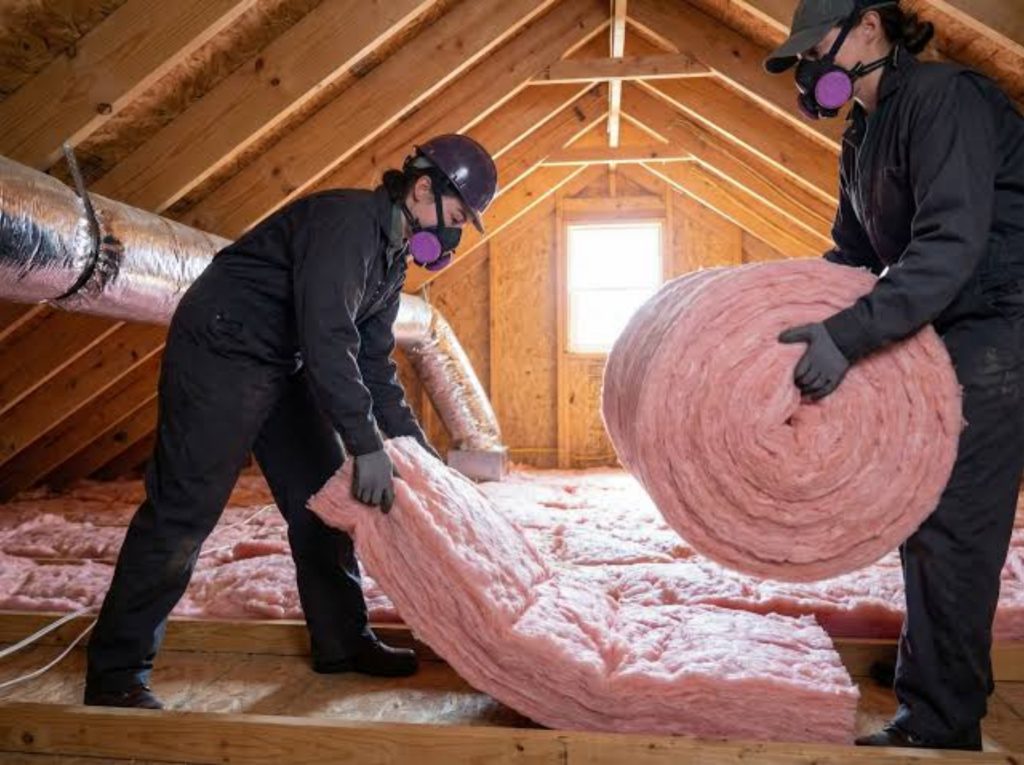
You finally decide it’s time to upgrade your attic insulation after another season of high energy bills. You expect a simple quote, but instead you receive estimates that vary by thousands of dollars. One contractor recommends blown-in insulation, another suggests spray foam, and a third says your old insulation needs to be removed first. Suddenly, what seemed like a straightforward project becomes a series of important decisions.
The truth is that attic insulation cost isn’t determined by one factor alone. Several variables influence the final price, and understanding them helps you compare estimates with confidence instead of guessing which quote offers the best value.
Key Takeaways
- The size and condition of your attic significantly affect project pricing.
- Different insulation materials vary in both upfront cost and long-term performance.
- Labor, accessibility, and preparation work often influence the final estimate.
- Choosing quality installation can improve comfort, energy efficiency, and insulation lifespan.
What Is Attic Insulation Cost?
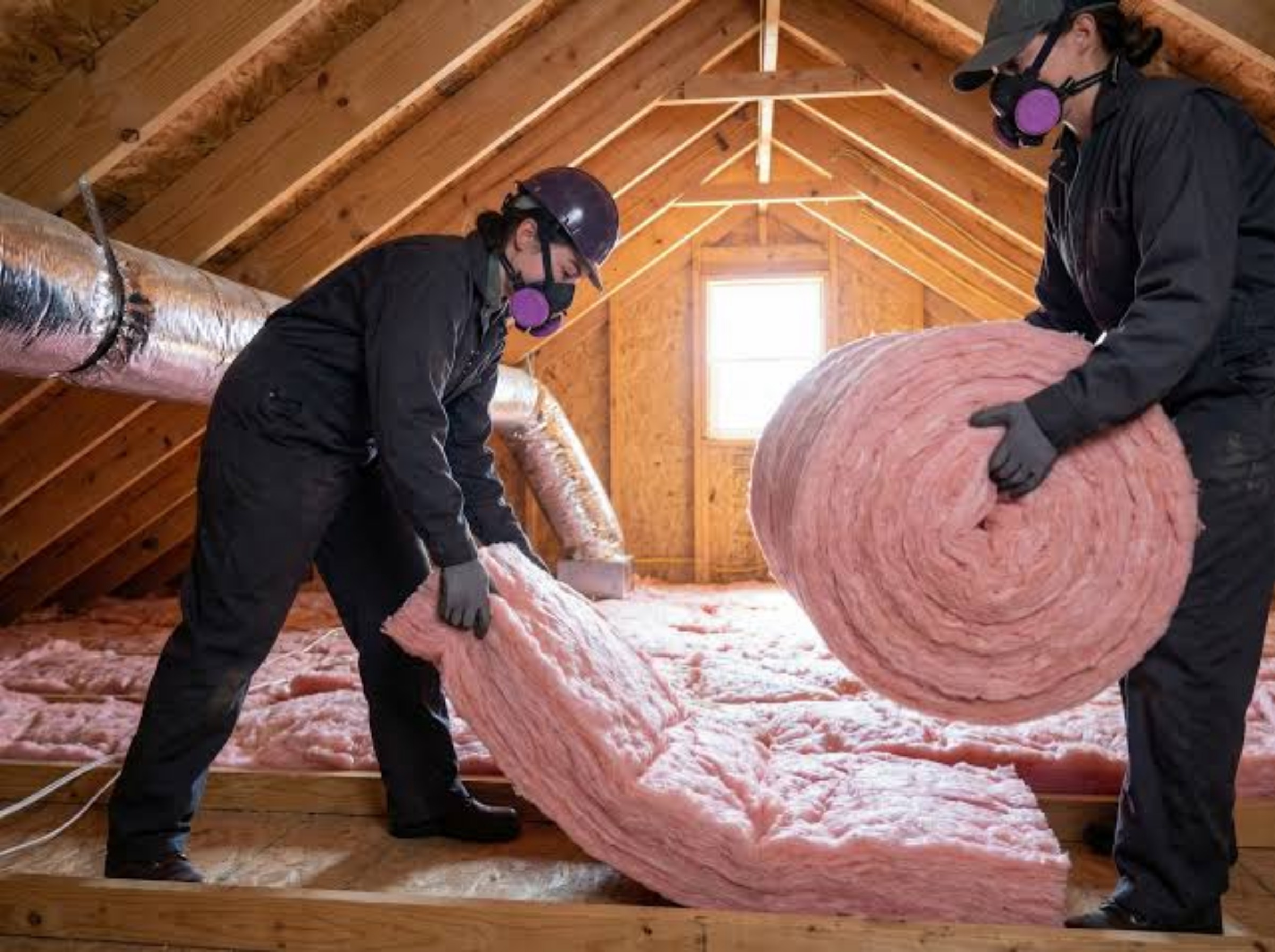
Attic insulation cost refers to the total expense of installing or replacing insulation in your attic. It typically includes materials, labor, preparation work, removal of old insulation when necessary, and any additional improvements such as air sealing.
While every home is different, knowing what contributes to the price helps you make a smarter investment.
Why Costs Can Vary So Much
Many homeowners assume insulation is sold like paint or flooring with one standard price. In reality, every attic has its own challenges.
A newer home with easy attic access may require very little preparation. An older property with damaged insulation, air leaks, or moisture issues will naturally require additional work before new insulation can be installed properly.
That is why two homes with similar square footage can have noticeably different project costs.
1. The Size of Your Attic
The most obvious factor affecting attic insulation cost is the total area that needs insulation.
Larger attics require:
- More insulation material
- Additional installation time
- Higher labor costs
Contractors typically calculate projects using square footage, making the overall size one of the biggest pricing factors. When comparing estimates, you’ll often notice references to attic insulation cost per square foot, which helps explain why larger homes generally have higher installation costs.
2. The Type of Insulation You Choose
Not all insulation performs the same, and neither do the prices.
Common insulation options include:
Fiberglass Batt Insulation
One of the most common and budget-friendly choices.
Benefits include:
- Lower upfront expense
- Easy installation
- Good thermal performance when installed correctly
Many homeowners compare fiberglass attic insulation with other materials before making a decision.
Blown-In Insulation
Excellent for filling small gaps and irregular spaces.
Homeowners researching blown-in attic insulation cost often appreciate its ability to improve coverage in existing homes without major structural changes.
Spray Foam Insulation
Premium insulation with outstanding air sealing performance.
Although spray foam attic insulation generally has a higher initial investment, it can provide superior energy efficiency and moisture control in certain situations.
Rather than focusing only on price, consider long-term performance and expected energy savings.
3. Existing Insulation Condition
Sometimes new insulation can simply be added over existing material.
Other times, existing insulation must be removed because of:
- Water damage
- Mold
- Pest contamination
- Compression
- Age-related deterioration
If removal is necessary, the overall attic insulation replacement cost increases because the project includes disposal, cleanup, and preparation before installation begins.
Skipping this step may reduce insulation performance and hide underlying problems that continue affecting your home.
4. Air Sealing Before Installation
Insulation slows heat transfer, but it doesn’t stop air leaks.
Small gaps around:
- Electrical penetrations
- Plumbing pipes
- Chimneys
- Recessed lighting
- Ceiling openings
allow conditioned air to escape.
Many contractors recommend sealing these openings before installing insulation.
Although this adds to the initial attic insulation installation cost, it often improves the effectiveness of the insulation and helps maintain indoor comfort throughout the year.
A Simple Decision Framework
Before choosing an insulation project, consider these four steps:
- Inspect your current attic condition.
- Compare insulation materials based on performance, not just price.
- Ask whether air sealing is included in the estimate.
- Evaluate long-term energy savings alongside the upfront investment.
This approach makes comparing contractor proposals much easier.
5. Labor and Installation Complexity
Labor is another major contributor to attic insulation cost.
Installation becomes more complicated when an attic has:
- Low clearance
- Tight crawl spaces
- Numerous obstacles
- Older framing
- Difficult access points
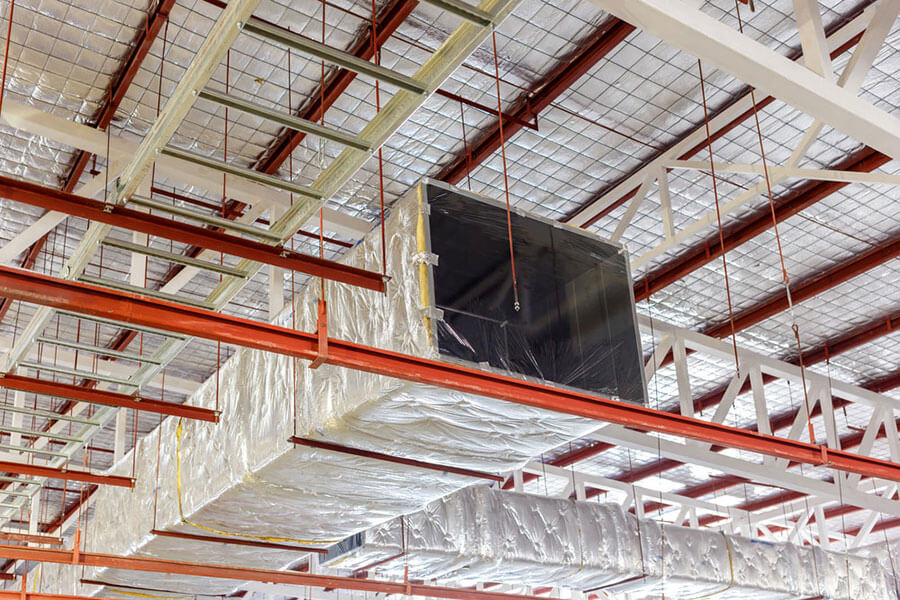
A straightforward installation can often be completed much faster than one requiring careful navigation around HVAC equipment, wiring, or structural components.
Experienced installers also spend time ensuring even coverage, which directly affects insulation performance.
Mid-Project Comparison
Factor | When it helps | Simple cue | Common mistake |
Larger attic | Whole-home comfort | Measure total square footage | Estimating without measurements |
Better insulation material | Long-term efficiency | Compare R-value and performance | Choosing only the lowest price |
Air sealing | Reduces energy loss | Seal gaps before insulating | Skipping preparation work |
Old insulation removal | Improves performance | Inspect for damage first | Covering damaged insulation |
Professional installation | Consistent coverage | Request a detailed estimate | Comparing quotes by price alone |
6. Local Labor Rates and Material Prices
Construction costs vary by region.
Availability of materials, transportation expenses, seasonal demand, and local labor rates all influence the average attic insulation cost in your area.
This explains why estimates may differ between regions even when contractors recommend the same insulation product.
If you’re comparing multiple quotes, focus on what each estimate includes rather than looking only at the final price.
7. Additional Repairs or Upgrades
An attic inspection sometimes reveals problems unrelated to insulation itself.
These may include:
- Roof leaks
- Moisture damage
- Poor ventilation
- Damaged framing
- Electrical concerns
Addressing these issues before installing insulation protects your investment and prevents future damage.
While these repairs increase the initial home insulation cost estimate, they often prevent much larger expenses later.
One Common Misconception
Many homeowners believe the cheapest insulation always saves the most money.
In reality, value depends on the entire system.
High-quality installation, proper coverage, correct material selection, and effective air sealing often deliver better results than choosing the least expensive option available.
As inventor Thomas Edison said:
“Opportunity is missed by most people because it is dressed in overalls and looks like work.”
The same idea applies to insulation. The unseen preparation often determines the quality of the finished project.
A Realistic Example
Imagine two neighbors with homes built around the same time.
Both decide to improve attic insulation before winter.
The first homeowner chooses the lowest-priced estimate without asking about preparation work. New insulation is installed over old, compressed material, and existing air leaks remain.
The second homeowner invests in removing damaged insulation, sealing air leaks, and installing a modern, energy-efficient attic insulation system.
Although the second project costs more initially, the insulation performs as intended, indoor temperatures remain more consistent, and future maintenance concerns are reduced.
This illustrates why understanding every component of a proposal is more valuable than comparing prices alone.
Energy Efficiency Matters
According to the U.S. Department of Energy, homeowners can save up to 15% on heating and cooling costs by air sealing their home and adding insulation in attics, floors over crawl spaces, and accessible basement rim joists.
Source:
https://www.energy.gov/energysaver/air-sealing-your-home
This highlights why insulation should be viewed as an investment in long-term comfort and efficiency rather than simply another home expense.
Choosing the Right Contractor
The quality of installation is just as important as the insulation material itself.
When reviewing proposals, look for contractors who:
- Perform a complete attic inspection
- Explain material options clearly
- Identify existing moisture or ventilation issues
- Provide detailed written estimates
- Recommend solutions based on your home’s specific needs
If you’re looking for Professional Insulation Services in Cameron, working with an experienced company like JL HVAC & ELECTRICAL LLC can help ensure the project is completed correctly from start to finish.
Conclusion
Understanding what influences attic insulation cost helps you make informed decisions instead of relying solely on the lowest estimate. Factors such as attic size, insulation type, labor complexity, existing insulation, air sealing, regional pricing, and necessary repairs all contribute to the final investment.
Taking the time to evaluate each of these factors allows you to choose a solution that delivers lasting comfort, improved efficiency, and better overall value for your home.
Summary
The total cost of insulating an attic depends on much more than the insulation itself. Material choice, attic condition, labor requirements, and preparation work all influence the final price. Looking beyond the initial estimate helps you invest in a solution that improves comfort, reduces energy waste, and protects your home for years to come.
Frequently Asked Questions
1. What is included in the attic insulation cost?
Most projects include insulation materials, labor, preparation, cleanup, and sometimes removal of old insulation or air sealing, depending on your home’s condition.
2. Which insulation material is the most cost-effective?
It depends on your home’s needs. Fiberglass is generally more affordable, while blown-in and spray foam insulation may offer additional performance benefits in certain applications.
3. How do I know if my attic insulation needs replacing?
Signs include uneven indoor temperatures, rising energy bills, drafts, moisture damage, pest contamination, or insulation that appears compressed or deteriorated.
4. Why should I choose JL HVAC & ELECTRICAL LLC for attic insulation?
JL HVAC & ELECTRICAL LLC focuses on evaluating your home’s unique insulation needs, recommending practical solutions, and delivering professional workmanship designed to improve comfort and energy efficiency.
5. Does JL HVAC & ELECTRICAL LLC provide attic insulation inspections before installation?
Yes. A thorough inspection helps identify issues such as damaged insulation, air leaks, or moisture problems so the recommended solution addresses the root causes instead of simply adding new insulation.