


A homeowner replaces an aging heating and cooling system, expecting lower energy bills and better comfort. A few months later, they wonder if they chose the right option. Should they have installed a heat pump instead? Or was a traditional HVAC system the better fit?
This is a common question today. As technology improves and energy costs rise, more homeowners are comparing HVAC vs Heat Pump systems before making a major investment. The truth is simple. There is no single answer for every home. The best choice depends on climate, budget, energy goals, and the way a home is built.
This guide explains the differences in plain language so homeowners can make a confident decision.
Key Takeaways
- Traditional HVAC systems often use a furnace and air conditioner for separate heating and cooling.
- Heat pumps provide both heating and cooling in one system.
- Heat pumps are highly efficient in many climates and can lower energy use.
- The best heating and cooling system depends on home size, insulation, local weather, and budget.
What Is the Difference Between an HVAC System and a Heat Pump?
Quick Definition
Traditional HVAC system: A setup that usually combines a furnace for heating and an air conditioner for cooling.
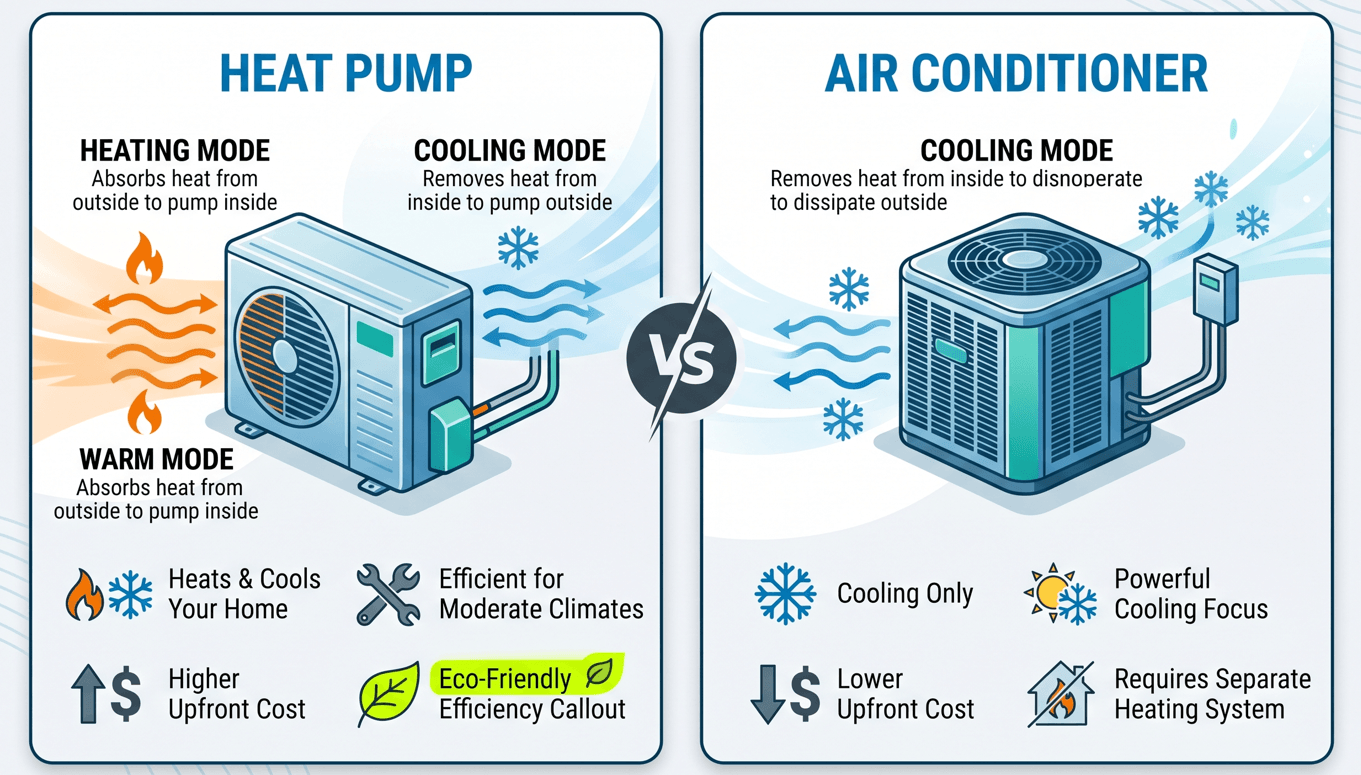
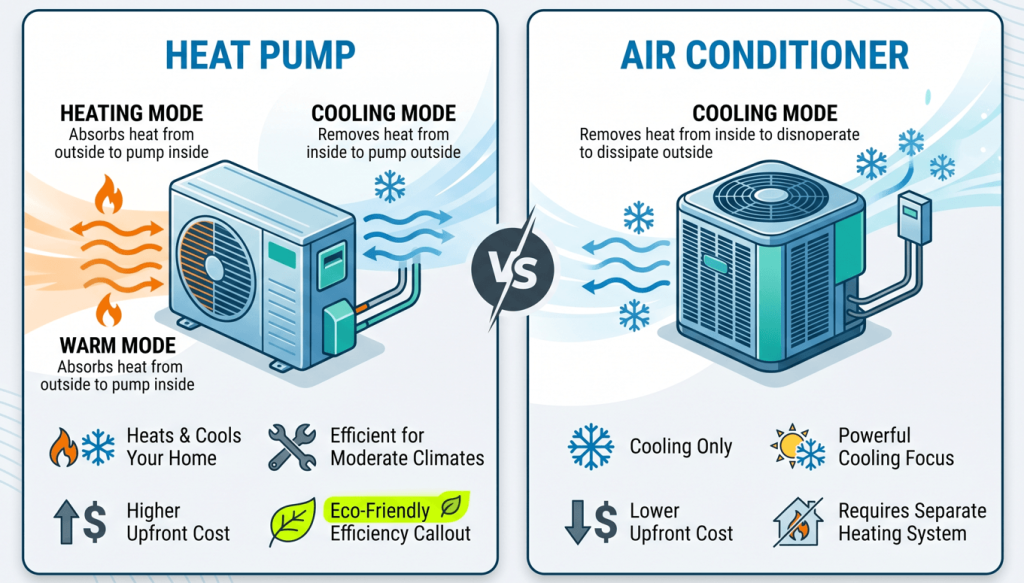
Heat pump: A system that moves heat instead of creating it, providing both heating and cooling from one unit.
Many people compare heat pump vs HVAC system as if they are completely different technologies. In reality, a heat pump is a type of HVAC equipment. The main difference is how heating is produced.
A furnace burns fuel or uses electricity to create heat. A heat pump transfers heat from one place to another.
In summer, a heat pump works like an air conditioner by moving heat out of the home. In winter, it reverses the process and brings outdoor heat inside.
How Does an HVAC System Work?
Understanding how does an HVAC system work makes the comparison easier.
A traditional system often includes:
- Furnace
- Air conditioner
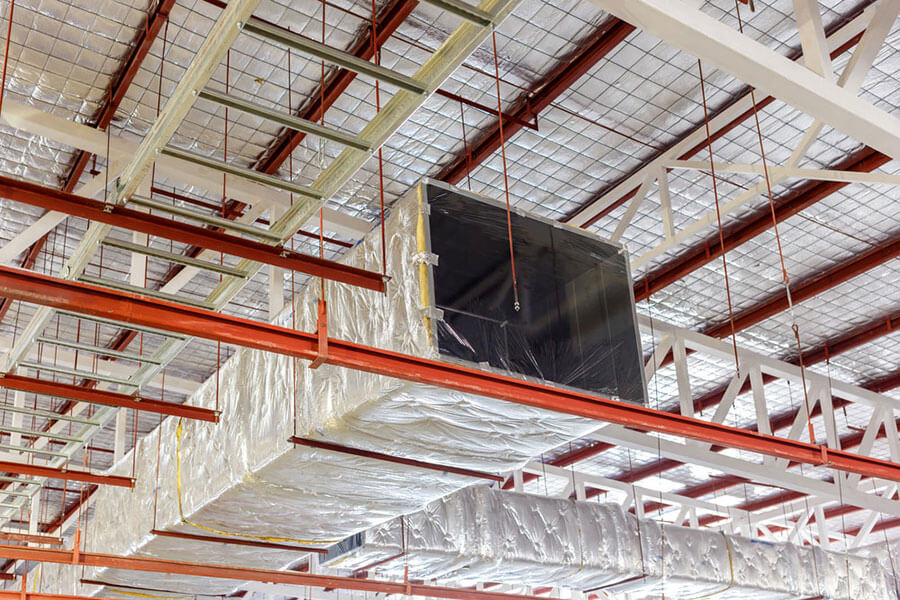
- Ductwork
- Thermostat
- Air filter
The furnace provides heat during cold months. The air conditioner cools the home during warm weather. Together, they create central heating and cooling.
These systems have been common for decades because they are reliable and effective, especially in areas with cold winters.
How Does a Heat Pump Work?
An air source heat pump uses electricity to transfer heat instead of generating it.
Components include:
- Outdoor unit
- Indoor air handler
- Refrigerant lines
- Thermostat
Many modern cold climate heat pumps perform efficiently even when outdoor temperatures drop.
According to the U.S. Department of Energy, heat pumps can reduce electricity use for heating by approximately 50% compared with electric resistance heating systems such as furnaces and baseboard heaters. Source: https://www.energy.gov/energysaver/heat-pump-systems
This efficiency is one reason heat pumps continue to grow in popularity.
HVAC vs Heat Pump Comparison Table
Feature | Traditional HVAC System | Heat Pump |
Heating Method | Furnace creates heat | Transfers heat |
Cooling | Air conditioner | Built-in cooling |
Energy Use | Depends on fuel source | Highly efficient |
Equipment | Separate units | One system |
Installation | May use existing equipment | New installation may be needed |
Cold Climate Performance | Strong heating capability | Modern models perform well |
Operating Cost | Varies | Often lower |
Maintenance | Furnace and AC service | Heat pump maintenance |
Which System Is More Energy Efficient?
For many homeowners, efficiency is the deciding factor.
A modern energy efficient HVAC system can provide excellent comfort, but heat pumps often use less energy because they move heat rather than create it.
This does not mean heat pumps always win.
A gas furnace can still be cost-effective in regions with long, cold winters and lower natural gas prices.
When comparing heat pump efficiency, homeowners should consider:
- Local utility costs
- Climate
- Insulation quality
- Existing ductwork
- Equipment ratings
Two ratings often appear during shopping:
- SEER2 (Seasonal Energy Efficiency Ratio): Measures cooling efficiency.
- HSPF2 (Heating Seasonal Performance Factor): Measures heating efficiency.
Higher numbers generally indicate greater efficiency.
The 4-Part Comfort Framework
Homeowners can simplify the decision by using this framework.
1. Climate
Mild climates often favor heat pumps.
Very cold regions may still benefit from furnace systems or dual-fuel setups.
2. Energy Costs
Compare local electricity and gas prices.
Lower operating costs depend on regional utility rates.
3. Home Condition
A well-insulated home improves performance for any system.
Poor insulation increases energy use.
4. Budget
Installation costs vary.
Examples only:
- Heat pump installation cost: $4,500 to $12,000+
- HVAC replacement cost: $5,000 to $15,000+
Actual costs depend on system size, efficiency level, and labor.
Heat Pump Pros and Cons
Advantages
- Heating and cooling in one unit
- Lower energy consumption
- Quiet operation
- Reduced carbon footprint
- Compatible with smart thermostats
Drawbacks
- Higher upfront cost in some cases
- Performance varies by climate
- May require electrical upgrades
HVAC Pros and Cons
Advantages
- Strong heating capability
- Familiar technology
- Works well in cold regions
- Flexible fuel choices
Drawbacks
- Separate equipment
- More components to maintain
- Potentially higher energy costs
Common Misconceptions
Many homeowners believe heat pumps only work in warm climates.
That was often true years ago, but technology has changed.
Modern ducted heat pump systems are designed for broader temperature ranges.
Another myth is that furnaces always cost less to operate. Utility rates, home insulation, and equipment efficiency all affect long-term costs.
The right answer is rarely based on equipment alone.
Real-World Example
Imagine two neighboring homes.
Home A has excellent insulation, moderate winters, and rising utility costs. A heat pump may provide efficient year-round comfort.
Home B experiences colder temperatures and already has a high-efficiency gas furnace. Keeping a traditional setup may make more financial sense.
The systems are different, but the goal remains the same: comfortable indoor living at a reasonable cost.
Do This, Not That
Do This | Avoid This |
Compare energy costs | Choosing based only on price |
Assess insulation | Ignoring home efficiency |
Consider climate | Following trends blindly |
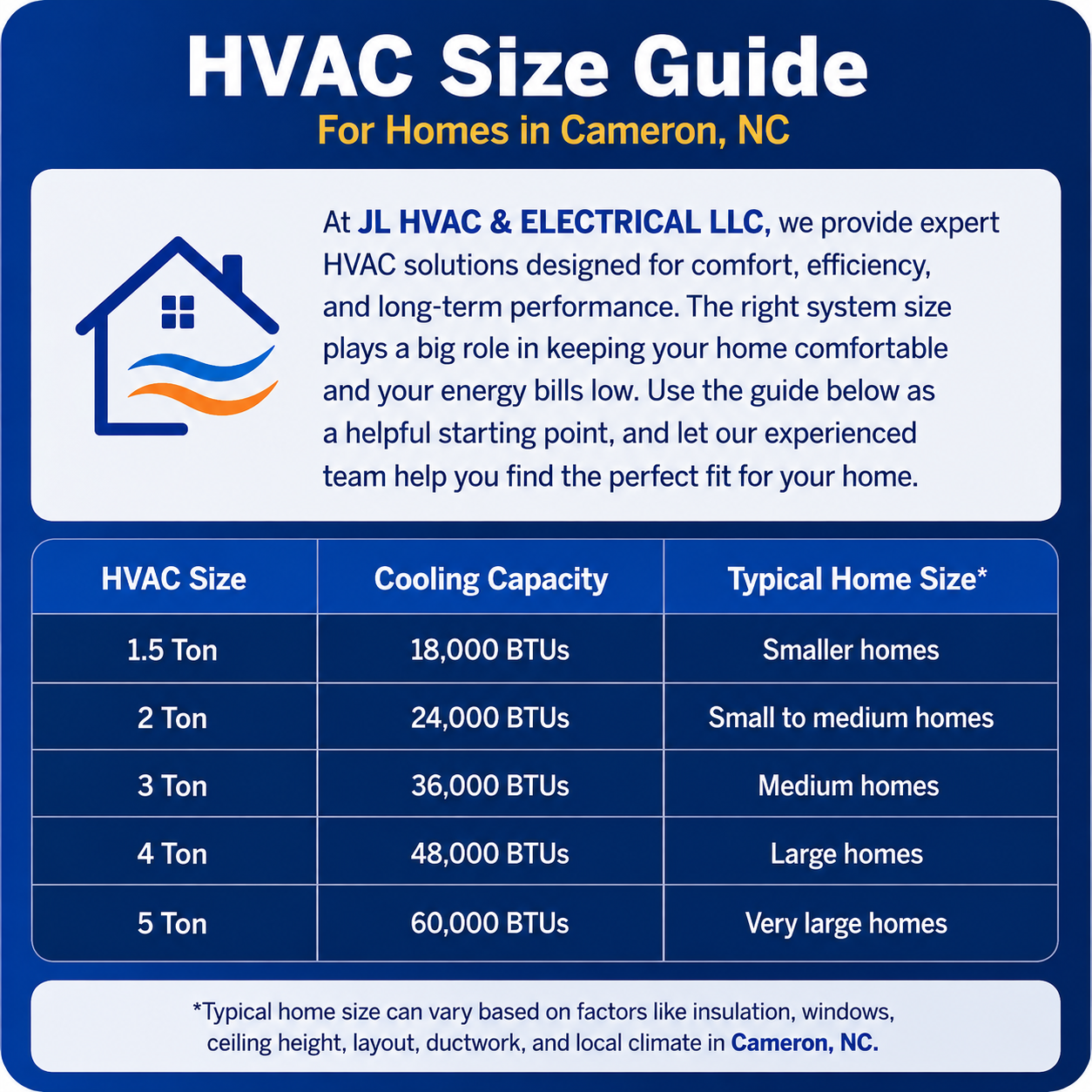
Get professional advice | Guessing equipment size |
Review maintenance needs | Overlooking long-term costs |
Professional Guidance Matters
Every home has unique heating and cooling requirements. Climate, insulation, ductwork, and energy goals all influence the right choice.
Professional evaluations help homeowners avoid costly mistakes and identify the most practical option.
Homeowners considering HVAC Installation Services in Cameron, NC can benefit from expert assessments that account for system sizing, efficiency goals, and whole-home comfort.
For personalized recommendations, homeowners can contact JL HVAC & ELECTRICAL LLC through their website at https://jlhvacelectrical.com/, email [email protected], or call (910) 703-2843.
Conclusion
When comparing HVAC vs Heat Pump, the better choice depends on the home, not just the equipment.
Heat pumps offer impressive efficiency and year-round comfort. Traditional HVAC systems remain reliable and effective, especially in colder regions.
The smartest decision comes from evaluating climate, energy costs, insulation, and long-term goals. A professional assessment can turn a complicated choice into a confident investment.
Summary
Heat pumps and traditional HVAC systems both provide reliable home comfort, but they operate differently. Heat pumps combine heating and cooling in one efficient system, while traditional setups often rely on separate equipment. Climate, utility costs, home insulation, and budget all play important roles in selecting the right option. Professional guidance helps homeowners choose a system that delivers comfort, efficiency, and long-term value.
FAQs
1. Is a heat pump better than a traditional HVAC system?
Not always. Heat pumps are highly efficient, but climate, fuel prices, and home design affect which system performs best.
2. What is the average heat pump installation cost?
Costs vary widely, but many installations range from about $4,500 to $12,000 or more depending on equipment and home requirements.
3. Do heat pumps work in cold weather?
Yes. Modern cold climate heat pumps are designed to operate efficiently in lower temperatures.
4. How often should HVAC systems be maintained?
Most professionals recommend maintenance at least once or twice per year to keep systems running efficiently.
5. Why choose JL HVAC & ELECTRICAL LLC for HVAC services?
Professional evaluations help homeowners choose systems that fit their comfort needs, efficiency goals, and budgets while ensuring proper installation and long-term performance.