Picture this. You walk into two office buildings on the same summer afternoon. Both have modern HVAC equipment, similar square footage, and nearly identical occupancy. Yet one feels consistently comfortable while the other has hot spots, cold corners, and an air conditioning system that seems to run without stopping. The difference often has less to do with the HVAC equipment and more to do with what surrounds it.
Many commercial property owners invest heavily in heating and cooling systems but overlook the role insulation plays in overall performance. Even the most advanced HVAC equipment cannot perform at its best if conditioned air escapes through poorly insulated walls, roofs, or ductwork. Quality commercial insulation works behind the scenes to reduce energy loss, improve indoor comfort, and help HVAC systems operate more efficiently every day.
Whether you manage an office building, warehouse, retail center, or industrial facility, understanding how insulation affects HVAC efficiency can help you make smarter long-term investment decisions.
Key Takeaways
- Quality commercial insulation reduces unwanted heat transfer and improves HVAC efficiency.
- Proper insulation helps lower energy consumption and reduces HVAC operating costs.
- A well-insulated building creates more consistent indoor temperatures and improves occupant comfort.
- Investing in insulation protects HVAC equipment by reducing unnecessary workload and extending system life.
What Is Commercial Insulation?
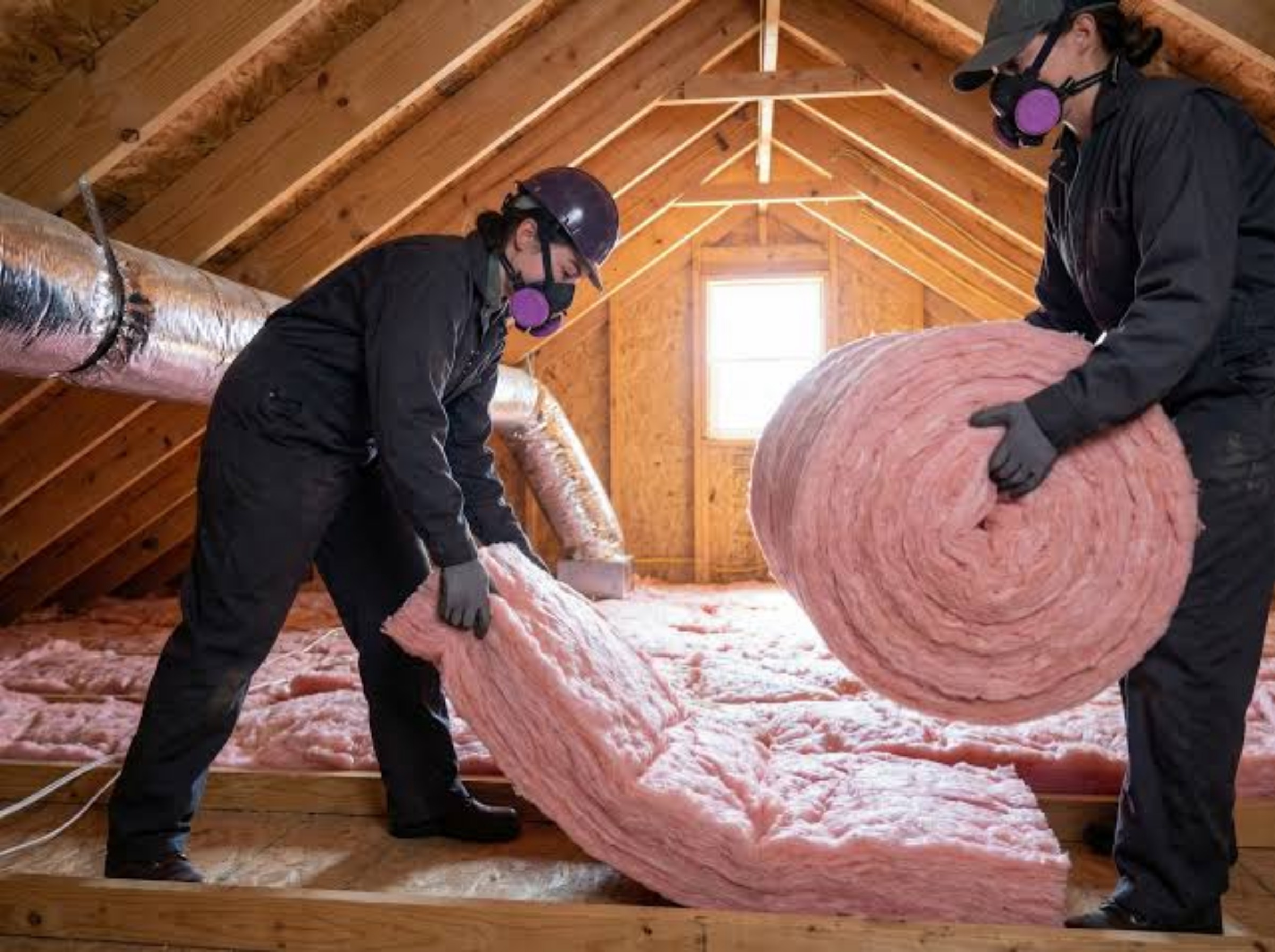
Commercial insulation is the process of installing specialized insulating materials in commercial buildings to reduce heat transfer, improve energy efficiency, and support consistent indoor temperature control. It works alongside HVAC systems to create a comfortable, energy-efficient indoor environment.
Unlike residential properties, commercial buildings often have larger roof areas, higher ceilings, extensive duct networks, and more complex building layouts. These factors make insulation even more important for maintaining heating and cooling efficiency.
Why HVAC Systems Depend on Quality Insulation
An HVAC system does more than heat or cool a building. It works continuously to maintain a comfortable indoor environment despite changing outdoor temperatures.
When insulation is inadequate, conditioned air escapes while outside heat or cold enters the building. The HVAC system must then work longer to maintain the desired temperature. Over time, this extra workload increases energy consumption and places unnecessary stress on equipment.
Think of insulation as the protective shell that allows an HVAC system to perform efficiently rather than constantly fighting against energy loss.
The Relationship Between Commercial Insulation and HVAC Efficiency
The connection between insulation and HVAC performance is straightforward. Every building naturally gains or loses heat through its roof, walls, windows, floors, and ductwork. Proper insulation slows this process.
When heat transfer is minimized, HVAC equipment cycles less frequently because indoor temperatures remain stable for longer periods.
This relationship leads to several measurable benefits.
Lower Energy Consumption
One of the most noticeable advantages of quality insulation is reduced energy usage.
According to the U.S. Department of Energy, heating and cooling account for about 52% of the energy used in the average U.S. home, demonstrating why reducing heating and cooling demand through insulation can significantly improve efficiency.
Source
https://www.energy.gov/energysaver/insulation
Although commercial buildings differ from residential properties, the same principle applies. Better insulation reduces the workload placed on heating and cooling equipment.
Improved Indoor Temperature Stability
Employees, customers, and tenants quickly notice inconsistent temperatures.
Without adequate insulation, some areas become too warm while others remain chilly. These temperature swings often result in comfort complaints even when the HVAC system is operating properly.
Quality insulation helps distribute temperatures more evenly throughout the building.
Reduced HVAC Operating Costs
Running HVAC equipment longer than necessary increases utility bills.
Reducing heat transfer allows systems to reach target temperatures more efficiently, lowering daily operating expenses throughout the year.
Areas Where Commercial Buildings Lose Energy
Many people assume insulation only belongs inside walls. In reality, several parts of a commercial building influence HVAC performance.
Roof Insulation
Roofs receive constant exposure to sunlight during warmer months and lose heat during colder weather.
High-quality roof insulation reduces this exchange, helping maintain indoor comfort while reducing strain on commercial HVAC systems.
Wall Insulation
Exterior walls form a large portion of the building envelope.
Insulated walls slow heat movement between indoor and outdoor environments, supporting consistent indoor temperatures throughout changing seasons.
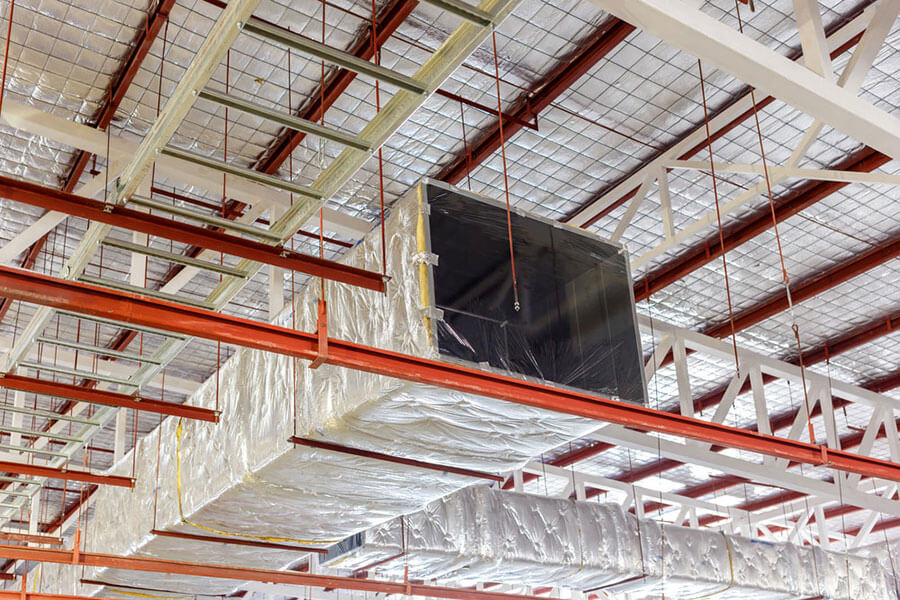
Duct Insulation
Conditioned air can lose temperature while traveling through ductwork located in unconditioned spaces.
Proper duct insulation helps deliver air closer to its intended temperature, improving overall HVAC performance.
Building Envelope
The building envelope includes walls, roofs, doors, windows, and foundations.
A well-designed building envelope minimizes unwanted air leakage while allowing HVAC systems to operate more efficiently.
Signs Your Commercial Building May Need Better Insulation
Insulation problems are not always obvious. Instead, they often appear through everyday operational issues.
Watch for these common warning signs.
- Rising energy bills without significant changes in usage.
- Uneven temperatures throughout the building.
- HVAC systems running almost continuously.
- Frequent heating or cooling complaints from occupants.
- Equipment requiring more frequent maintenance than expected.
While these symptoms may indicate HVAC issues, insulation should also be evaluated as part of the overall building assessment.
A Simple Framework for Evaluating Insulation Performance
Instead of guessing whether insulation is effective, follow this straightforward framework.
1. Assess Current Conditions
Review utility bills, maintenance records, and occupant comfort complaints.
2. Identify Heat Loss Areas
Inspect roofs, walls, ductwork, crawlspaces, and mechanical rooms for insulation gaps.
3. Prioritize High-Impact Improvements
Address areas where energy loss is greatest before making cosmetic upgrades.
4. Measure Results
Track energy usage and HVAC performance after improvements to evaluate long-term benefits.
Commercial Insulation Benefits Beyond Energy Savings
Lower utility bills often receive the most attention, but quality insulation delivers several additional advantages.
Longer HVAC Equipment Life
HVAC systems experience wear each time they start and stop.
When insulation reduces unnecessary cycling, equipment operates under less stress, potentially extending its service life and reducing maintenance needs.
Better Indoor Comfort
Comfort goes beyond temperature alone.
Quality insulation helps eliminate drafts, reduces cold or hot spots, and creates a more consistent indoor environment that supports employee productivity and customer satisfaction.
Improved Noise Reduction
Many insulation materials also provide sound-dampening properties.
For offices, healthcare facilities, educational buildings, and retail spaces, reduced outside noise contributes to a quieter and more comfortable environment.
Enhanced Moisture Control
Proper insulation helps reduce condensation in certain building assemblies, supporting healthier indoor environments while helping protect structural materials.
Common Misconceptions About Commercial Insulation
Many commercial property owners delay insulation upgrades because of common misunderstandings.
Misconception 1
“If my HVAC system is new, insulation doesn’t matter.”
Reality
Even the newest HVAC equipment cannot overcome continuous heat gain or heat loss caused by inadequate insulation.
Misconception 2
“Insulation only matters during winter.”
Reality
Insulation helps maintain comfortable indoor temperatures throughout every season by reducing heat movement in both directions.
Misconception 3
“Only old buildings benefit from insulation improvements.”
Reality
Even newer commercial buildings may benefit from upgraded insulation materials, improved installation methods, or better sealing practices.
Comparing Smart Insulation Decisions
The table below highlights how different insulation practices affect HVAC performance and building efficiency.
Practice | When It Helps | Simple Cue | Common Mistake |
Upgrade roof insulation | High heat gain through the roof | Upper floors stay warmer than expected | Focusing only on HVAC equipment |
Improve wall insulation | Temperature changes throughout the day | Exterior walls feel warm or cold | Ignoring hidden heat loss |
Insulate ductwork | Ducts run through unconditioned spaces | Air feels warmer or cooler before reaching rooms | Leaving exposed ducts untreated |
Seal gaps in the building envelope | Drafts and uneven temperatures | Occupants notice hot or cold spots | Assuming insulation alone solves air leakage |
Schedule professional inspections | Rising energy bills or comfort complaints | HVAC runs longer than normal | Waiting until equipment begins to fail |
A Real-World Example
Imagine a distribution warehouse with a reliable HVAC system that still struggles to keep employees comfortable during the summer. Management initially assumes the equipment is undersized and considers replacing it.
A building assessment tells a different story. Large sections of roof insulation have deteriorated, and portions of the ductwork pass through unconditioned spaces without proper insulation. After improving the insulation and sealing areas of unnecessary air leakage, the indoor temperature becomes more consistent. The HVAC system runs fewer cycles, maintenance calls decrease, and energy costs begin to stabilize.
This scenario illustrates an important lesson. Replacing HVAC equipment is not always the first solution. Sometimes improving insulation delivers significant performance gains without changing the entire heating and cooling system.
Do This, Not That
When planning building improvements, focus on choices that improve long-term HVAC efficiency.
Do This
- Evaluate insulation before replacing HVAC equipment.
- Inspect roofs, walls, ducts, and other parts of the building envelope.
- Use insulation materials appropriate for the building’s purpose and climate.
- Include insulation in preventive maintenance planning.
- Work with experienced professionals who understand both insulation and HVAC performance.
Not That
- Assume higher utility bills always mean the HVAC system is failing.
- Ignore temperature differences between rooms.
- Delay insulation repairs because they are out of sight.
- Choose insulation based only on initial cost rather than long-term value.
- Overlook duct insulation during renovations.
How Quality Insulation Supports Commercial Energy Management
Every commercial building has operating expenses that continue year after year. Energy is one of the largest recurring costs, making efficiency improvements valuable over the life of the property.
Quality insulation contributes to effective commercial energy management by helping HVAC systems maintain stable indoor conditions with less effort. Instead of constantly compensating for heat gain or heat loss, equipment operates under more balanced conditions.
For building owners, this can translate into several long-term advantages.
- Lower monthly utility expenses
- Reduced strain on HVAC components
- More predictable maintenance schedules
- Improved occupant satisfaction
- Better long-term return on building investments
These benefits become especially important for facilities that operate extended hours, such as offices, healthcare facilities, warehouses, schools, and retail spaces.
Choosing the Right Commercial Building Insulation Solutions
No single insulation product is ideal for every commercial building. The right solution depends on several factors, including building design, climate, occupancy, and HVAC requirements.
When evaluating commercial building insulation solutions, consider the following.
Building Type
Office buildings, manufacturing facilities, warehouses, and retail centers all have different heating and cooling demands.
Existing HVAC System
The insulation strategy should complement the HVAC system rather than work independently of it.
Areas of Heat Transfer
Roofs, walls, ductwork, crawlspaces, and mechanical rooms may each require different insulation approaches.
Long-Term Performance
Durability, moisture resistance, maintenance requirements, and expected service life should all influence the decision.
Looking beyond the initial installation cost often leads to better long-term value.
Why Professional Installation Matters
Even high-quality insulation cannot perform as intended if it is installed incorrectly.
Gaps, compressed materials, poor sealing, or incomplete coverage reduce effectiveness and allow unwanted heat transfer to continue. Professional installation helps ensure insulation performs according to its intended specifications and supports overall HVAC efficiency.
For businesses seeking Professional Insulation Services in Cameron, working with experienced professionals helps ensure insulation upgrades are properly evaluated, installed, and integrated with existing building systems.
Conclusion
Quality commercial insulation is one of the smartest investments a commercial property owner can make. While HVAC equipment often receives most of the attention, insulation plays an equally important role in maintaining indoor comfort, reducing energy consumption, and protecting heating and cooling systems from unnecessary strain.
A well-insulated building creates a more stable indoor environment, lowers HVAC operating costs, and supports consistent performance throughout the year. Rather than viewing insulation as a secondary building component, it should be considered an essential part of every efficient commercial HVAC strategy.
When insulation and HVAC systems work together, businesses benefit from improved comfort, greater efficiency, and stronger long-term value.
Summary
Quality commercial insulation helps reduce heat transfer, allowing HVAC systems to operate more efficiently while maintaining consistent indoor temperatures. It lowers energy consumption, reduces equipment wear, and contributes to improved occupant comfort throughout the building. By evaluating insulation alongside HVAC performance, commercial property owners can make informed decisions that support both operational savings and long-term building performance. Investing in the right insulation today can continue delivering benefits for years to come.
Frequently Asked Questions
1. Why is commercial insulation important for HVAC efficiency?
Commercial insulation reduces heat transfer, helping HVAC systems maintain indoor temperatures with less effort. This improves energy efficiency, reduces operating costs, and minimizes wear on heating and cooling equipment.
2. How often should commercial building insulation be inspected?
Insulation should be inspected during major building renovations, after roof repairs, when energy bills rise unexpectedly, or whenever HVAC performance begins to decline. Periodic inspections also help identify moisture or damage before they become larger problems.
3. Can upgrading insulation reduce HVAC operating costs?
Yes. Improving insulation reduces energy loss, allowing HVAC systems to run more efficiently. Over time, this can contribute to lower utility expenses and reduced maintenance requirements.
4. How do I know if my commercial building needs additional insulation?
Common signs include uneven indoor temperatures, rising energy bills, HVAC systems running longer than usual, frequent comfort complaints, and noticeable drafts or heat gain in certain areas.
5. How can JL HVAC & ELECTRICAL LLC help with commercial insulation projects?
If you’re looking to improve building efficiency and indoor comfort, JL HVAC & ELECTRICAL LLC can help evaluate your insulation needs and recommend practical solutions. Visit https://jlhvacelectrical.com/ or contact the team at [email protected] or (910) 703-2843 to learn more about available services.