A homeowner in Cameron once described their crawl space as “the part of the house nobody thinks about until something smells wrong.” That sentence sticks because it is true for many people. You rarely notice your crawl space when everything is working properly. But the moment moisture creeps in, floors feel damp, energy bills rise, or moldy odors drift through the house, it suddenly becomes impossible to ignore.
In 2026, more homeowners are paying attention to the condition beneath their homes, especially as humidity, moisture problems, and rising utility costs continue to affect comfort and indoor air quality. One of the most common questions people ask is simple: how much should encapsulation actually cost, and what are you paying for?
For homeowners researching “Crawlspace Encapsulation Services in Cameron,” understanding pricing is only part of the equation. The real value comes from knowing what protects your home long term and what shortcuts can create bigger repair bills later.
Key Takeaways
- Crawl space encapsulation pricing depends on size, moisture damage, and materials used
- Moisture problems left untreated can impact air quality, flooring, insulation, and HVAC performance
- Professional encapsulation often includes sealing, insulation, drainage, and humidity control
- Choosing quality installation matters more than simply finding the cheapest estimate
What Is Crawl Space Encapsulation?
Crawl space encapsulation is the process of sealing and protecting the crawl space beneath a home from outside moisture, humidity, pests, and air leaks.
A complete system usually includes:
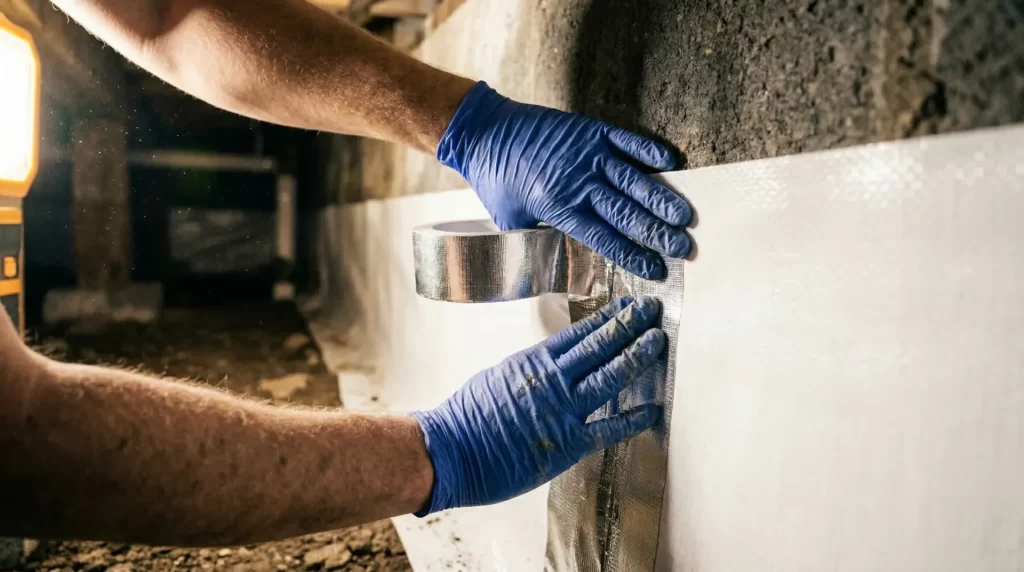
- Crawlspace vapor barrier installation
- Air sealing and vent sealing
- Crawlspace insulation and encapsulation
- Drainage improvements if needed
- A dehumidifier for crawlspace humidity control
The goal is not just to “cover the dirt floor.” The real purpose is creating a controlled environment beneath the home that helps reduce moisture-related damage over time.
Why Crawl Space Problems Are Becoming More Expensive
Many homeowners wait until they see visible warning signs before acting. Unfortunately, crawl spaces often hide problems for months or even years.
Small moisture issues can slowly lead to:
- Wood rot
- Musty odors
- Mold growth
- Sagging floors
- Higher heating and cooling costs
- Insulation damage
- Increased crawlspace repair cost
According to the U.S. Environmental Protection Agency, indoor air can be significantly affected by moisture and mold issues inside homes, especially in enclosed spaces like crawl spaces.
EPA Mold and Moisture Guide
That is one reason more homeowners are investing in crawlspace moisture control before major structural repairs become necessary.
So, How Much Does Encapsulation Cost in 2026?
The average Crawl Space Encapsulation Cost in 2026 typically ranges between $3,500 and $15,000 depending on the condition of the crawl space and the scope of work required.
Several factors influence the final price:
Factor | When It Helps | Simple Cue | Mistake |
Vapor Barrier Thickness | Long-term durability | Thick reinforced liner | Choosing the cheapest material |
Drainage Systems | Wet crawl spaces | Standing water present | Ignoring water intrusion |
Dehumidifier Installation | Humid climates | Persistent damp smell | Assuming sealing alone fixes humidity |
Insulation Upgrades | Energy savings | Uneven indoor temperatures | Reusing damaged insulation |
Mold Treatment | Health and structural protection | Visible discoloration | Covering mold without treatment |
Homes with severe moisture intrusion or drainage issues may also require crawlspace waterproofing services before encapsulation can begin properly.
The Biggest Misconception About Encapsulation
One of the biggest misconceptions is that encapsulation is purely cosmetic.
It is not.
A properly sealed crawl space can affect your entire home environment. Many homeowners notice:
- Cleaner indoor air
- Fewer musty odors
- Better HVAC performance
- Lower humidity indoors
- Improved comfort during seasonal weather changes
That is why many contractors now approach encapsulation as part of whole-home efficiency planning rather than a standalone repair.
As Benjamin Franklin famously said:
“An ounce of prevention is worth a pound of cure.”
That idea fits crawl spaces perfectly.
A Simple Framework for Evaluating Encapsulation Costs
When comparing estimates, focus on this four-part framework instead of only the final number.
1. Moisture Source
Find out where the moisture is coming from first. Ground moisture, poor drainage, plumbing leaks, and humid outside air all require different solutions.
2. Material Quality
Not all vapor barriers are equal. Reinforced liners generally last longer and resist tearing better than thin plastic sheets.
3. Humidity Control
Even sealed crawl spaces may need a dehumidifier for crawlspace stability in humid climates like North Carolina.
4. Long-Term Protection
The best systems are designed to prevent future issues, not simply hide existing ones.
Homeowners searching for “Crawlspace Encapsulation Services in Cameron” often discover that long-term reliability matters far more than short-term savings.
What Homeowners Usually Pay For
A professional encapsulation project often includes several layers of protection working together.
Typical services may include:
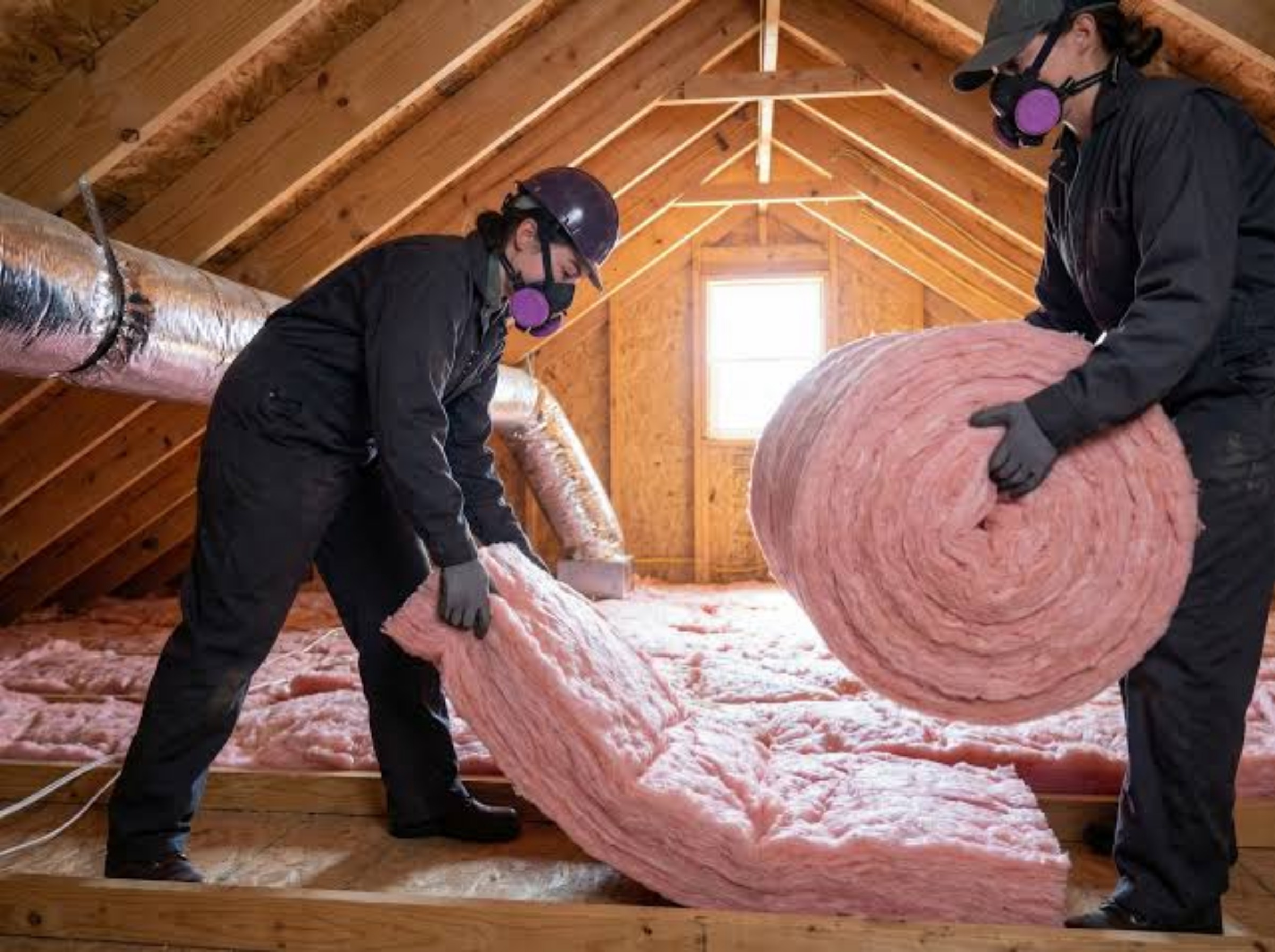
- Removing damaged insulation
- Sealing vents and gaps
- Installing vapor barriers
- Adding drainage systems
- Installing sump pumps
- Air sealing
- Mold prevention treatments
- Crawlspace insulation and encapsulation
- Dehumidification systems
The final Crawl Space Encapsulation Cost depends heavily on whether the crawl space already has water damage or structural concerns.
Real-World Example
Imagine two neighboring homes built around the same time.
The first homeowner notices mild musty odors but delays repairs for several years. Eventually, insulation collapses, humidity affects the subflooring, and mold remediation becomes necessary.
The second homeowner addresses the issue early with encapsulation and humidity control. Their project costs less because the damage never escalates.
Both homeowners paid for repairs eventually. One simply paid far more because the warning signs were ignored.
That pattern is extremely common in crawl spaces.
How Encapsulation Helps HVAC Efficiency
Many homeowners do not realize how closely crawl spaces and HVAC systems work together.
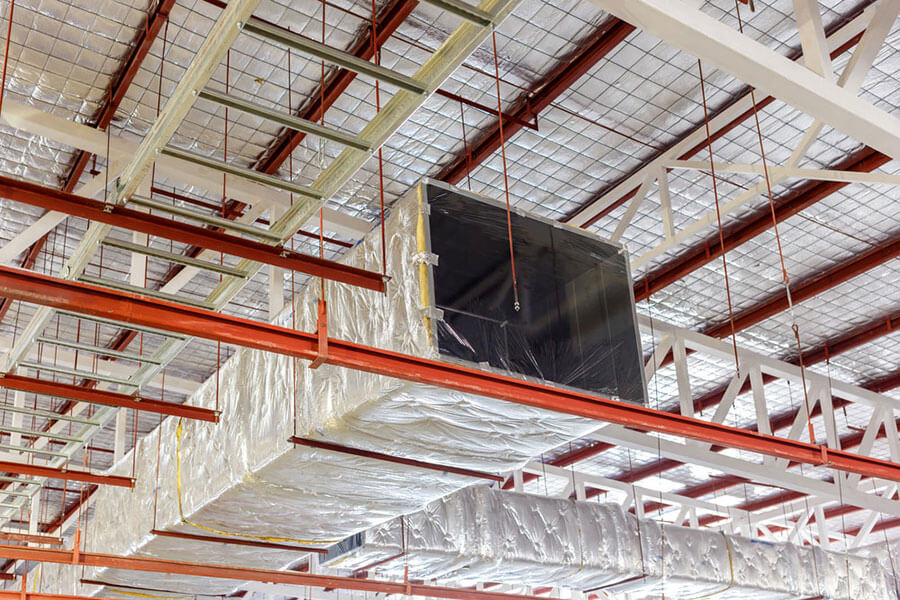
Air from the crawl space can move upward into living spaces through small openings in flooring and ductwork. When that air carries excess humidity, HVAC systems often work harder to maintain indoor comfort.
Energy efficiency with crawlspace encapsulation becomes especially noticeable during humid summers when moisture levels remain consistently high.
Proper sealing can help:
- Reduce HVAC strain
- Improve airflow stability
- Protect ductwork
- Lower indoor humidity fluctuations
For homes with older insulation or exposed duct systems, encapsulation can also reduce long-term maintenance concerns.
Signs You Should Consider Encapsulation Soon
You may want to schedule an inspection if you notice:
- Musty smells indoors
- Floors feeling damp or soft
- High indoor humidity
- Visible mold or mildew
- Increased allergy symptoms
- Pest activity beneath the home
Preventing mold in crawlspaces is usually easier and less expensive than removing widespread contamination later.
Choosing the Right Contractor
Not every contractor approaches encapsulation the same way. Some offer quick fixes that fail within a few years.
When evaluating providers, look for:
- Clear explanations
- Detailed inspections
- Transparent pricing
- Moisture-control planning
- Experience with local climate conditions
- Long-term service support
For homeowners researching Crawlspace Encapsulation Services in Cameron, working with experienced professionals like JL HVAC & ELECTRICAL LLC can help ensure the system is designed around the home’s actual moisture conditions instead of a one-size-fits-all approach.
Conclusion
The Crawl Space Encapsulation Cost in 2026 is influenced by far more than square footage alone. Moisture levels, drainage conditions, insulation quality, and humidity control all play a major role in determining both price and long-term value.
For many homeowners, encapsulation is less about luxury and more about protecting the structure, air quality, and efficiency of the home itself. Addressing moisture issues early often prevents larger structural repairs later, especially in humid regions where crawl spaces are constantly exposed to damp conditions.
When done properly, encapsulation creates a cleaner, healthier, and more stable environment beneath your home while supporting long-term comfort above it.
Summary
Crawl space encapsulation helps protect homes from moisture, mold, humidity, and energy loss. Costs in 2026 vary depending on crawl space condition, drainage needs, insulation, and humidity control requirements. Homeowners who invest early often avoid larger structural and moisture-related repair costs later. Professional installation focused on long-term crawlspace moisture control usually delivers the best overall value.
FAQs
1. How long does crawl space encapsulation last?
A professionally installed encapsulation system can last 15 to 20 years or longer with proper maintenance and humidity management.
2. Does encapsulation really lower energy bills?
It can help improve HVAC efficiency by reducing humidity and air leakage beneath the home, especially in humid climates.
3. What is included in the cost to seal a crawlspace?
Most projects include vapor barrier installation, sealing vents, insulation upgrades, drainage improvements, and humidity control solutions.
4. Why choose JL HVAC & ELECTRICAL LLC for crawl space services?
JL HVAC & ELECTRICAL LLC focuses on practical moisture-control solutions designed for long-term home protection and comfort.
5. Does JL HVAC & ELECTRICAL LLC offer inspections before encapsulation?
Yes, professional inspections help identify moisture sources, insulation problems, and structural concerns before work begins.