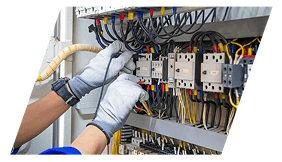
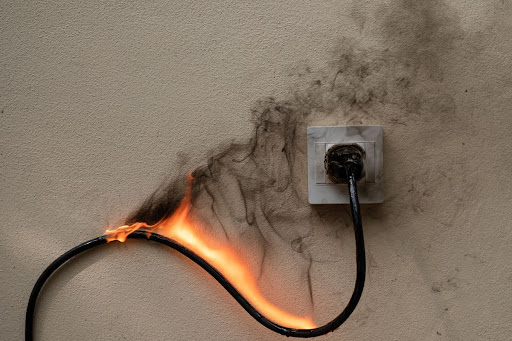
Have you ever flipped a light switch only to watch the lights flicker or plugged in your phone only to realize the outlet had suddenly stopped working? These small inconveniences often seem harmless at first, but they can be early warning signs of larger electrical issues hiding behind your walls.
Every home experiences wear and tear over time. As appliances become more powerful and families rely on more electronic devices than ever before, your electrical system works harder every day. Knowing how to recognize common electrical problems can help you prevent costly repairs, improve safety, and know when it’s time to call a professional.
Key Takeaways
- Many electrical issues start with small warning signs that shouldn’t be ignored.
- Some simple problems have easy solutions, while others require licensed professionals.
- Regular inspections help prevent expensive repairs and improve home safety.
- Knowing when to seek Residential Electrical Services in Cameron, NC can protect both your family and your property.
What Are Common Electrical Problems?
Common electrical problems are issues that affect a home’s electrical system, such as overloaded circuits, faulty outlets, flickering lights, or damaged wiring. While some problems have simple fixes, others require professional diagnosis to prevent safety hazards.
According to the U.S. Fire Administration, electrical malfunctions are one of the leading causes of residential fires each year.
https://www.usfa.fema.gov/statistics/residential-fires/
Why Homeowners Should Never Ignore Electrical Warning Signs
Electrical systems rarely fail without giving some kind of warning. A buzzing outlet, a breaker that trips repeatedly, or lights that dim unexpectedly are your home’s way of signaling that something isn’t working correctly.
Ignoring these signs can lead to:
- Equipment damage
- Higher energy bills
- Reduced electrical efficiency
- Increased fire risk
- Unexpected power failures
Being proactive often saves both money and stress.
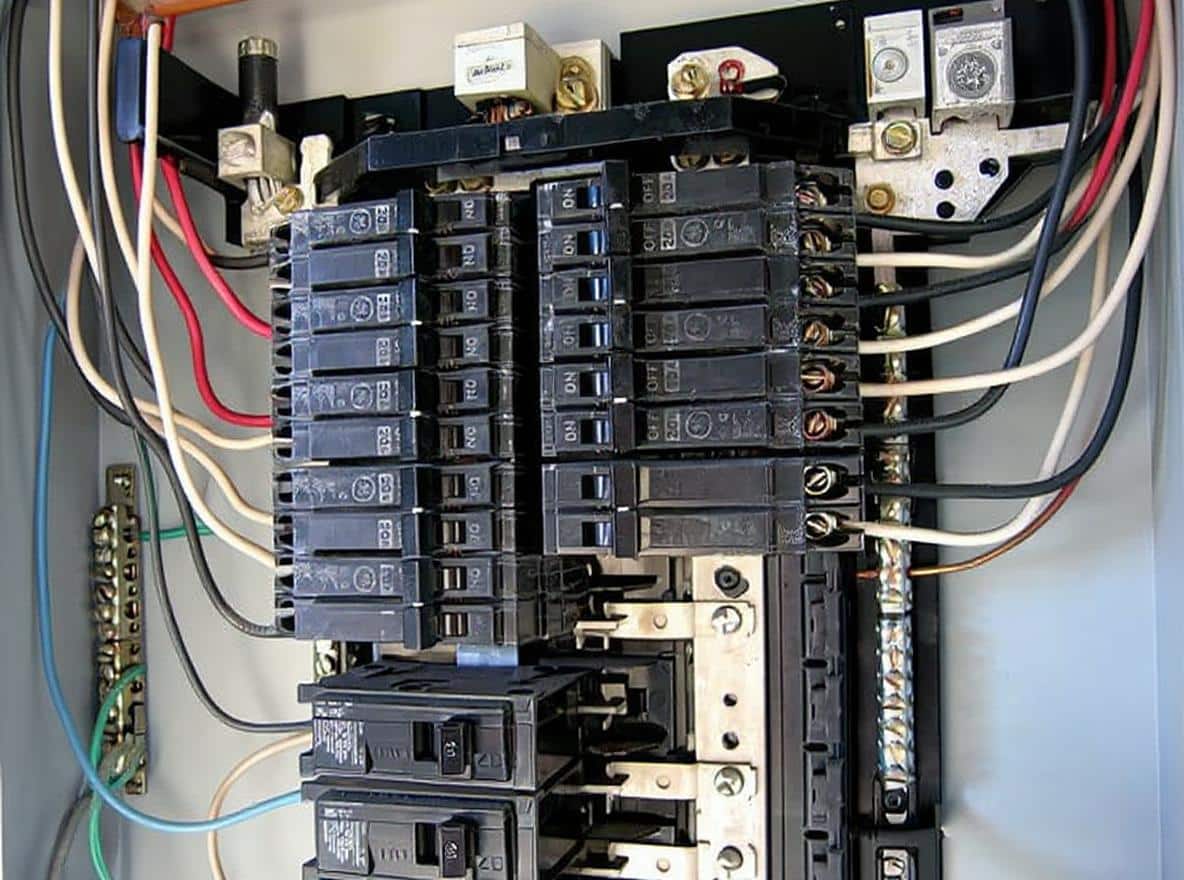
1. Tripped Circuit Breaker
One of the most common home electrical problems is a breaker that trips repeatedly.
Circuit breakers are designed to protect your home by shutting off power when they detect an overload or short circuit.
How to Fix It
- Turn off appliances connected to the affected circuit.
- Reset the breaker.
- Plug devices back in gradually.
- If the breaker trips again, stop using that circuit and have it inspected.
Repeated breaker trips usually indicate a larger issue that shouldn’t be ignored.
2. Flickering Lights
Occasional flickering during storms may be normal, but persistent flickering lights usually point to an electrical issue.
Possible causes include:
- Loose light bulbs
- Loose wiring connections
- Overloaded circuits
- Aging electrical components
Start by tightening or replacing the bulb. If the problem continues throughout the house, professional electrical troubleshooting is recommended.
3. Electrical Outlet Not Working
An electrical outlet not working can be frustrating, especially when it powers essential appliances.
Common reasons include:
- A tripped GFCI outlet
- A tripped breaker
- Loose wiring
- Internal outlet damage
Check nearby GFCI outlets first and reset them if necessary. If power doesn’t return, avoid attempting internal repairs yourself.
4. Faulty Electrical Wiring
Old or damaged wiring is among the most serious electrical problems in house systems.
Signs include:
- Burning smells
- Warm wall plates
- Frequent breaker trips
- Buzzing sounds
- Discolored outlets
Because faulty wiring can create significant safety hazards, it should always be inspected by a qualified electrician.
“An ounce of prevention is worth a pound of cure.” Benjamin Franklin
The same wisdom applies to your home’s electrical system. Addressing small issues early often prevents much larger repairs later.
5. Overloaded Circuits
Modern households use far more electronics than homes built decades ago were designed to support.
Common signs include:
- Breakers tripping often
- Dimming lights when appliances start
- Warm outlets
- Extension cords used permanently
Rather than relying on power strips everywhere, consider adding dedicated circuits for high-demand appliances.
6. Dead Light Switches
Sometimes a switch simply stops working.
Possible causes include:
- Loose connections
- Internal wear
- Wiring problems
- Circuit issues
Although replacing a switch may appear simple, identifying the actual cause is more important than replacing parts blindly.
Mid-Article Quick Reference
Electrical Problem | When it Happens | Simple Cue | Common Mistake |
Tripped circuit breaker | Circuit overload | Breaker won’t stay on | Resetting repeatedly without finding the cause |
Flickering lights | Loose connection or overload | Lights dim or flicker | Assuming it’s just an old bulb |
Faulty electrical wiring | Aging or damaged wiring | Burning smell or buzzing | Ignoring warning signs |
Electrical outlet not working | Outlet failure or GFCI trip | No power at outlet | Opening the outlet without proper knowledge |
Overloaded circuits | Too many appliances | Frequent breaker trips | Using multiple extension cords permanently |
7. Frequently Blown Light Bulbs
If bulbs burn out unusually fast, the bulb itself may not be the problem.
Possible reasons include:
- High voltage
- Poor fixture connections
- Wrong bulb wattage
- Loose sockets
Replacing bulbs repeatedly without checking the fixture often wastes both time and money.
8. High Electricity Bills
Sometimes your electrical system works but not efficiently.
Older wiring, malfunctioning appliances, and hidden electrical faults can increase energy consumption without obvious warning signs.
A professional inspection may identify areas where improved efficiency can reduce monthly costs.
9. Buzzing Sounds Around Outlets or Panels
Electricity should operate quietly.
Buzzing noises may indicate:
- Loose wiring
- Damaged breakers
- Overloaded circuits
- Internal arcing
Never ignore unusual sounds coming from electrical equipment.
10. Frequent Power Surges
Power surges don’t always come from lightning.
They can result from:
- Large appliances cycling on and off
- Damaged wiring
- Utility issues
- Faulty devices
Installing surge protection and identifying the underlying cause can help extend the life of your electronics.
A Simple Framework for Electrical Troubleshooting
Before assuming the worst, use this simple four-step framework:
- Observe the warning sign carefully.
- Isolate the affected circuit or appliance.
- Test safe, basic solutions such as resetting a breaker or checking a GFCI outlet.
- Call a professional if the issue returns or involves wiring, burning smells, sparks, or repeated failures.
This process helps you avoid unnecessary risks while identifying issues more efficiently.
Common Misconceptions About Home Electrical Repair
Many homeowners believe electrical issues are easy DIY projects because videos online make them appear simple.
In reality:
- Resetting a breaker is usually safe.
- Replacing a light bulb is straightforward.
- Working inside electrical panels is not.
- Diagnosing hidden wiring problems requires specialized knowledge.
Safe home electrical repair starts with knowing your limits.
A Real-World Example
Imagine a family that notices their kitchen lights dim every time the microwave and coffee maker run together. At first, they ignore it because everything still works.
A few weeks later, the breaker begins tripping several times each day.
Instead of continuing to reset it, they schedule an inspection. The electrician discovers the circuit has become overloaded as additional appliances were added over the years. After upgrading the circuit, the problem disappears, and the kitchen operates safely again.
This type of situation is far more common than many homeowners realize.
When Should You Call a Professional?
Some electrical issues deserve immediate attention.
Call a licensed electrician if you notice:
- Burning odors
- Sparks
- Warm outlets
- Repeated breaker trips
- Exposed wiring
- Frequent power surges
- Persistent common electrical problems that return after simple troubleshooting
Professional residential electrical services help ensure repairs meet safety standards while protecting your home’s electrical system for years to come.
Conclusion
Every homeowner encounters common electrical problems sooner or later. The key is recognizing the warning signs before they become dangerous. Whether it’s flickering lights, a tripped circuit breaker, faulty electrical wiring, or an electrical outlet not working, early action makes all the difference.
If problems continue despite basic troubleshooting, trust experienced professionals like JL HVAC & ELECTRICAL LLC to diagnose the issue safely and restore reliable power to your home.
Summary
Electrical issues often begin with small warning signs that are easy to overlook. Understanding the causes behind common electrical problems helps you make informed decisions and keep your home safe. While simple fixes may solve minor issues, recurring electrical concerns should always be evaluated by qualified professionals. Regular inspections and timely repairs can help prevent larger, more expensive problems in the future.
Frequently Asked Questions
1. What are the most common electrical problems homeowners experience?
Some of the most frequent issues include common electrical problems such as tripped breakers, flickering lights, overloaded circuits, faulty wiring, and outlets that suddenly stop working.
2. When should I contact JL HVAC & ELECTRICAL LLC?
You should contact JL HVAC & ELECTRICAL LLC if you notice burning smells, repeated breaker trips, buzzing sounds, sparks, or electrical issues that continue after basic troubleshooting.
3. Does JL HVAC & ELECTRICAL LLC handle both small and large residential electrical repairs?
Yes. Whether you need outlet repairs, circuit upgrades, wiring inspections, or complete electrical troubleshooting, licensed professionals can evaluate the issue and recommend the safest solution.
4. Can I perform home electrical repair myself?
Simple tasks like resetting a breaker or replacing a light bulb are generally manageable, but repairs involving wiring, outlets, or electrical panels should be left to qualified electricians.
5. How can I reduce the chances of future electrical problems?
Follow basic electrical safety tips, avoid overloading circuits, schedule routine inspections, replace aging components when necessary, and address warning signs as soon as they appear.