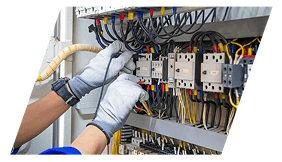

Upgrading your home’s electrical panel is a major step toward ensuring safety, efficiency, and the capacity to handle modern electrical demands. However, one of the most common questions homeowners face is: how much will this upgrade actually cost? Estimating electrical panel upgrade cost accurately requires understanding the factors that influence pricing and planning carefully before work begins. In this guide, we break down the key considerations, helping you budget effectively and avoid unexpected expenses.
Why Upgrading Your Electrical Panel Matters
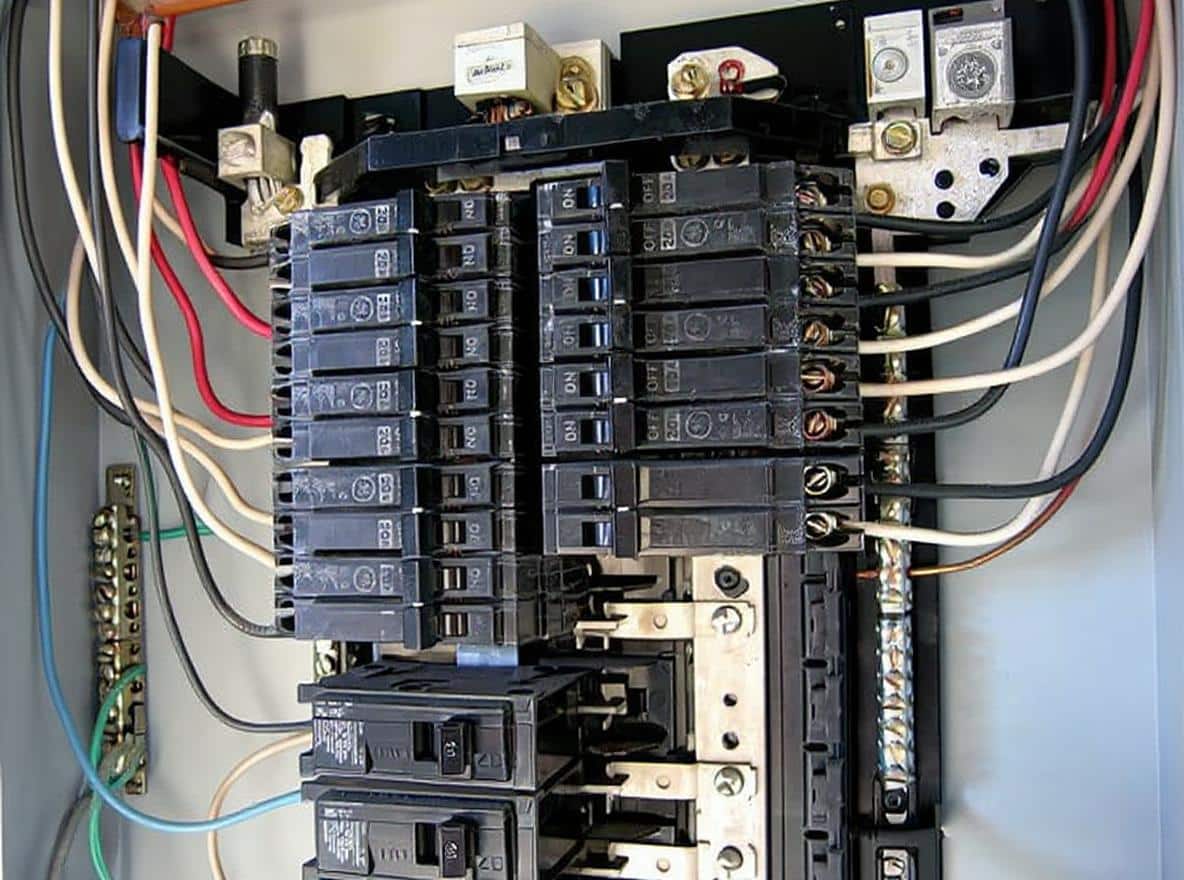
Many older homes still rely on outdated electrical panels that were not designed to handle the number of devices and appliances in modern households. Overloaded panels can lead to tripped breakers, electrical fires, and appliance damage. Upgrading your panel is a proactive way to improve safety, increase home value, and prepare for future energy demands.
Whether you are performing a main breaker panel upgrade or a more comprehensive residential electrical service upgrade, knowing what to expect in terms of costs will make the process smoother and less stressful.
Key Factors Affecting Electrical Panel Upgrade Cost
Several elements influence the total cost of upgrading your electrical panel. Understanding these factors will help you create a realistic budget.
1. Panel Size and Capacity
The amperage of your new panel significantly affects pricing. Most homes require either 100-amp or 200-amp panels. Larger capacity panels are more expensive due to the additional materials and labor required. For example, a circuit breaker panel cost for a 200-amp panel can be double that of a 100-amp panel, depending on the brand and model.
2. Labor and Installation Complexity
Installation costs vary based on the complexity of the job. Factors like limited access, outdated wiring, or the need to move appliances can increase labor expenses. Hiring a licensed electrician ensures the work meets code requirements and is completed safely, which is critical when you upgrade your electrical system safely.
3. Permits and Inspections
Local regulations often require permits for an electrical panel upgrade. These permits cover inspections to ensure compliance with safety standards. While permits are a small fraction of total costs, they are mandatory and contribute to the overall home electrical upgrade price.
4. Additional Materials and Upgrades
In some cases, upgrading your panel may require new wiring, circuit breakers, or grounding components. Older homes may need a complete electrical panel replacement cost assessment that includes these materials. Planning for these extras prevents surprises and ensures the system is fully up to modern standards.
5. Regional Pricing Differences
Labor and material costs vary by region. For homeowners in Cameron, NC, it’s important to consult local electricians to get an accurate quote for your electrical system upgrade in Cameron, NC. Local professionals understand permitting requirements and regional pricing, ensuring you receive a fair estimate.
Steps to Estimate Electrical Panel Upgrade Cost Accurately
Estimating costs doesn’t have to be complicated. Here’s a step-by-step approach to get a realistic idea of what your upgrade will cost:
- Assess Your Current Panel – Identify the amperage, age, and condition of your existing panel. Older panels may require more extensive work, increasing the total cost.
- Determine Your Needs – Consider the number of appliances, devices, and future upgrades you plan to add. A larger panel may be necessary for increased electrical demand.
- Request Multiple Quotes – Obtain estimates from at least three licensed electricians. Compare not only pricing but also the scope of work, materials, and warranty offerings.
- Include Permits and Inspections – Factor in local permit fees and inspection costs. These are essential to avoid legal or insurance issues.
- Plan for Unexpected Costs – Allocate a small buffer for unexpected wiring updates or additional materials. This ensures your budget can handle surprises.
Following these steps allows you to create a detailed estimate and make informed decisions without overspending.
Comparing Electrical Panel Upgrade Options
Homeowners often weigh the benefits of different options when considering a panel upgrade. Understanding the choices can affect the overall electrical panel replacement cost:
- Basic Panel Upgrade – Replacing an outdated panel with a similar capacity panel. Cost-effective but limited in future scalability.
- Main Breaker Panel Upgrade – Increases amperage and overall capacity, ideal for homes with high energy usage or plans for renovations.
- Full Electrical Service Upgrade – Includes rewiring and modernizing the system. Higher cost but ensures long-term reliability and safety.
Selecting the right option depends on your home’s current electrical setup and your future needs.
Tips for Reducing Electrical Panel Upgrade Costs
While this is a significant investment, there are ways to manage costs without compromising safety:
- Compare Quotes – Don’t settle for the first estimate. Multiple quotes help you find a fair price.
- Schedule During Off-Peak Seasons – Some electricians offer lower rates during slower months.
- Bundle Electrical Work – If other upgrades are needed, combining jobs may reduce labor costs.
- Use High-Quality, Standard Materials – Avoid expensive specialty panels unless necessary.
These strategies can help you manage your home electrical upgrade price while ensuring a safe, efficient upgrade.
Hiring a Licensed Professional
Working with a licensed electrician is non-negotiable when upgrading your electrical panel. Improper installation can lead to safety hazards, including electrical fires. A licensed professional ensures your circuit breaker panel cost is spent wisely, the system meets code, and your home is protected.
When searching for an electrician, consider experience, customer reviews, and knowledge of local regulations. For homeowners in Cameron, NC, JL HVAC & ELECTRICAL LLC provides expert electrical system upgrades in Cameron, NC, ensuring a safe and reliable upgrade.
FAQs
1. How much does an electrical panel upgrade usually cost?
The cost varies depending on panel size, labor, and materials, but typical upgrades range from $1,200 to $3,000 for standard homes.
2. How long does an electrical panel upgrade take?
Most upgrades take 4–8 hours, but complex jobs or older homes may require a full day.
3. Do I need to turn off power during the upgrade?
Yes, the power to your home must be shut off during installation. A licensed electrician will ensure it is done safely.
4. Can I upgrade my panel myself?
DIY upgrades are strongly discouraged. Electrical work carries serious safety risks and must meet code requirements.
5. Will an upgraded panel increase my home value?
Yes, modernizing your electrical system improves safety, efficiency, and appeal, which can positively affect resale value.
Upgrading your electrical panel is a smart investment for any homeowner. By understanding the factors that influence electrical panel upgrade cost, comparing options, and hiring licensed professionals, you can plan your upgrade with confidence. From budgeting for a main breaker panel upgrade to completing a full residential electrical service upgrade, proper planning ensures your home is safe, reliable, and ready for the future.