Installing a new HVAC system is one of the most significant investments a homeowner can make. It directly affects comfort, energy efficiency, and even the value of your home. Knowing the costs involved before you start can help you plan your budget and avoid surprises. In 2026, the price of a new HVAC system depends on several factors, including system type, size, energy efficiency, and installation requirements. This guide breaks down everything you need to know about costs, options, and long-term benefits.
Key Factors That Affect New HVAC System Cost
The cost of a new HVAC system is influenced by more than just the unit itself. Here are the main factors that homeowners should consider:
- Type of System: Central air systems, heat pumps, and furnaces vary in price. Energy-efficient HVAC systems generally cost more initially but save money on utility bills over time.
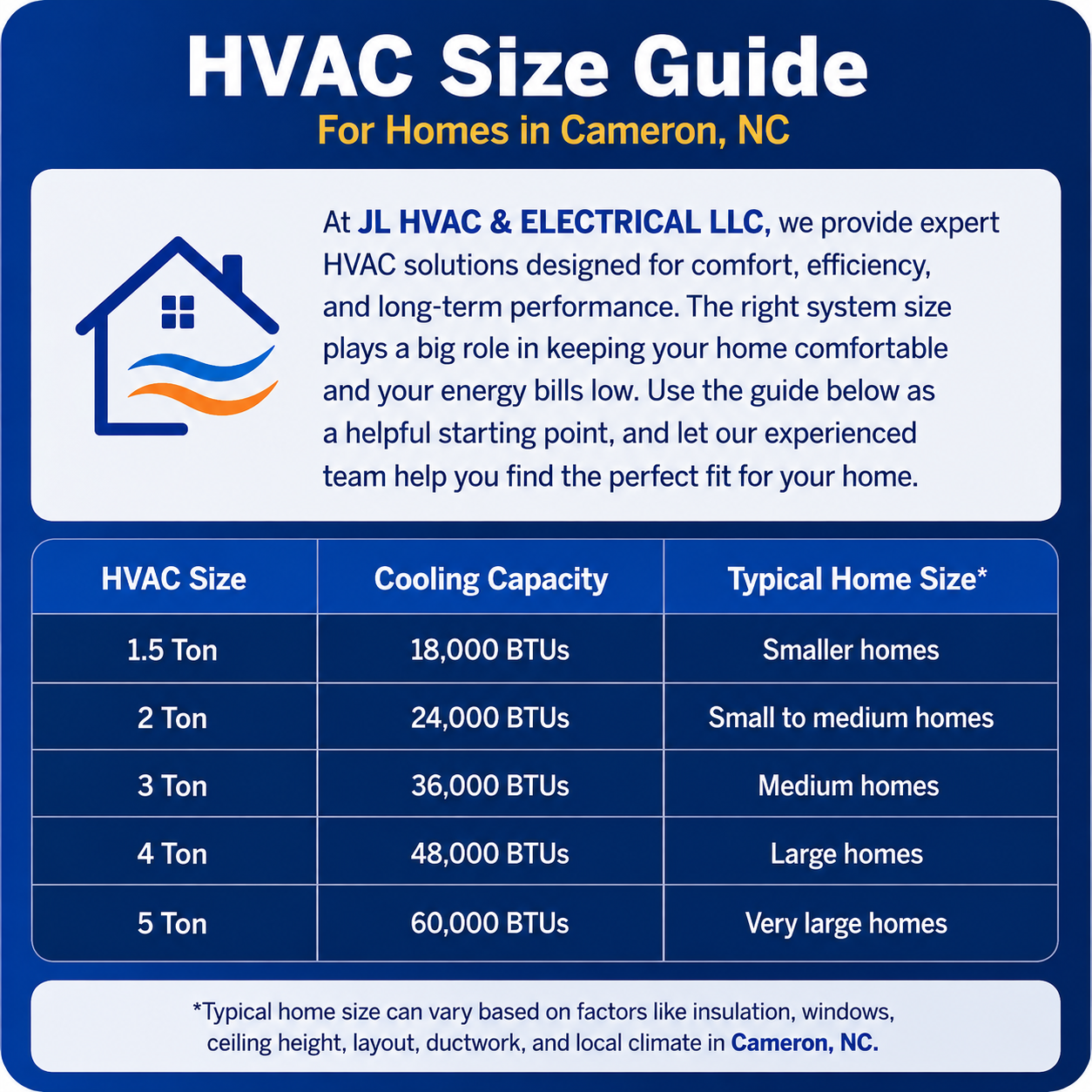
- Home Size: Larger homes require systems with greater heating and cooling capacity, which increases both equipment and installation costs.
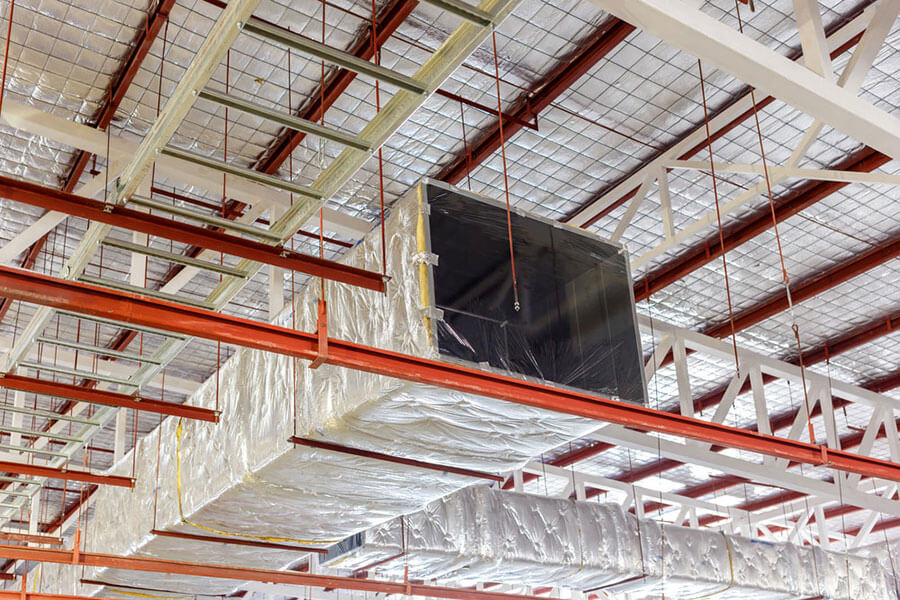
- Installation Complexity: Homes that need new ductwork or modifications to fit the unit can see significantly higher HVAC installation costs.
- Brand and Features: Some units come with advanced features such as smart thermostats, multi-zone controls, or ultra-quiet operation. While these features improve comfort, they also increase upfront costs.
- Location: Labor rates and local regulations can affect the total cost of installation, making it important to get local estimates.
Understanding these variables helps homeowners choose a system that balances efficiency, cost, and performance.
Average Costs of HVAC Systems in 2026
While costs vary, homeowners can use these estimates as a starting point for planning:
- Central Air Conditioning Prices: Installing a central AC system typically costs between $3,500 and $7,500, depending on the size of the home and the system’s efficiency.
- Furnace Installation Cost: A new furnace usually costs between $2,500 and $6,000, with high-efficiency models exceeding $7,000.
- Complete Heating and Cooling System Cost: A full HVAC system that includes both heating and cooling generally costs between $4,000 and $12,000.
Energy-efficient HVAC systems may have a higher upfront cost, but the long-term energy savings and reduced environmental impact often justify the investment.
HVAC Replacement Cost vs. New Installation
For homeowners with aging systems, deciding between repair, replacement, or an upgrade is crucial. HVAC replacement cost is often more economical than frequent repairs, especially if the current system is over 10–15 years old.
Like-for-like replacements may have lower costs, but upgrading to a more efficient system can reduce your heating and cooling bills by 20–40%. Modern HVAC systems also provide better indoor air quality, quieter operation, and advanced features that older units lack.
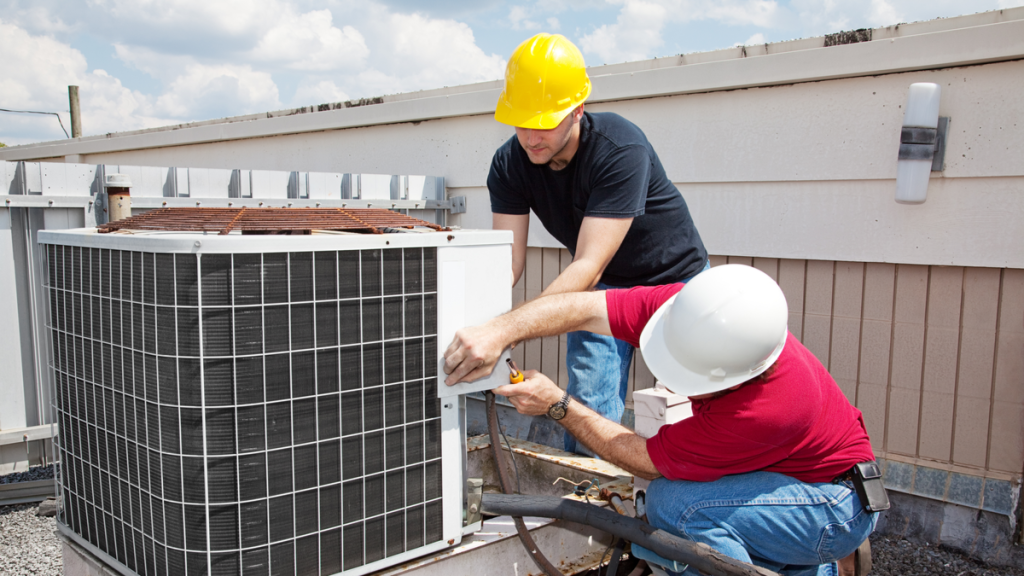
For those in Cameron, NC, professional installation is key. Choosing HVAC Installation Services in Cameron, NC ensures your system is installed correctly, which maximizes efficiency, extends lifespan, and prevents future repair issues.
Breaking Down HVAC Installation Cost
HVAC installation cost is influenced by labor, system type, and additional work required. Here’s what you should expect:
- Labor: Professional installation is typically 30–50% of the total cost. Complex installations that require new ductwork or electrical upgrades will increase labor costs.
- Permits and Inspections: Depending on your local regulations, permits may be necessary. These costs vary but are essential for safety and compliance.
- Materials: Ductwork, piping, wiring, and mounting equipment all add to the total installation cost.
Getting multiple quotes from licensed contractors ensures you’re getting fair pricing while still maintaining quality work.
Tips to Reduce New HVAC System Cost
While installing a new system is a major investment, there are ways to manage costs without compromising quality:
- Compare Multiple Quotes: Get estimates from several licensed contractors to ensure competitive pricing.
- Seasonal Discounts: Some companies offer promotions during off-peak seasons, which can lower HVAC installation cost.
- Energy-Efficient Units: Investing in energy-efficient HVAC systems may cost more initially but save money over time.
- Proper Maintenance: Maintaining your new system prevents costly repairs and extends the unit’s lifespan.
- Bundled Services: Some contractors offer packages that include installation and maintenance at a reduced rate.
By planning ahead and understanding costs, homeowners can make informed decisions and avoid unnecessary expenses.
Choosing the Right System for Your Home
Selecting the right HVAC system depends on your home size, climate, and comfort needs. Here’s a breakdown of common options:
- Central Air Systems: Ideal for homes with existing ductwork, central air provides even cooling throughout the house.
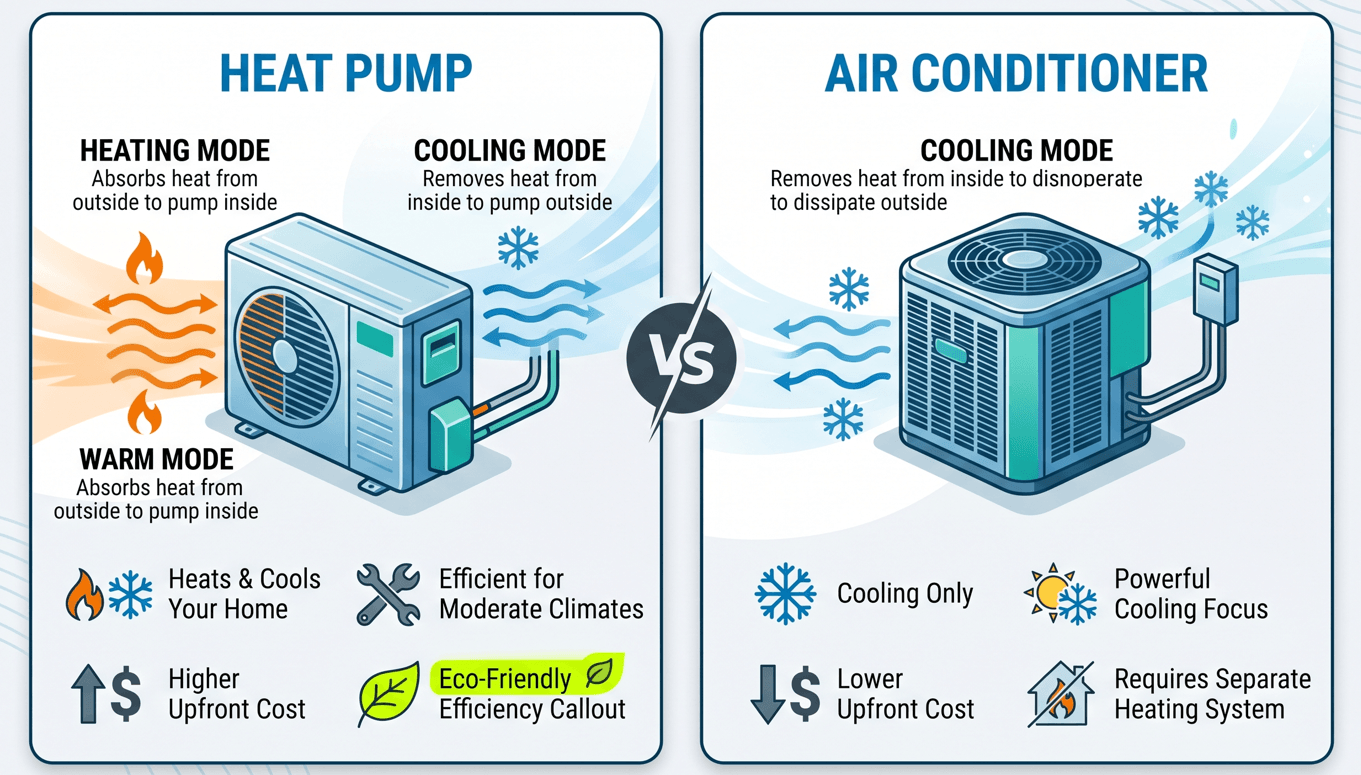
- Heat Pumps: These are energy-efficient systems suitable for moderate climates. They provide both heating and cooling in one unit.
- Furnaces: Best for colder regions, often paired with central air for year-round comfort.
A professional consultation can help you determine the right system for your home and budget.
The Benefits of a New HVAC System
Installing a new HVAC system offers more than just improved comfort. Other benefits include:
- Consistent Temperature: Modern systems maintain stable indoor temperatures throughout the year.
- Better Indoor Air Quality: Advanced filters and ventilation systems reduce allergens, dust, and pollutants.
- Reduced Energy Bills: Energy-efficient HVAC systems lower monthly utility costs.
- Reliability: Fewer repairs and breakdowns compared to older units.
- Increased Home Value: A modern HVAC system can increase the resale value of your home.
By investing in a high-quality system and proper installation, homeowners enjoy peace of mind, improved comfort, and long-term savings.
FAQs
1. How long does a new HVAC system last?
Most modern systems last 15–20 years with proper maintenance. Energy-efficient units may last even longer with regular care.
2. Can I finance a new HVAC system?
Yes. Many contractors offer financing options that allow you to spread the cost over several months or years.
3. Does a bigger HVAC system cool my home faster?
Not necessarily. An oversized system can cycle on and off too quickly, reducing efficiency and comfort. The right-sized system is key.
4. How much can I save with energy-efficient HVAC systems?
Savings vary, but high-efficiency systems can reduce energy bills by 20–40% compared to older units.
5. Should I replace my HVAC system if it’s over 10 years old?
If the system requires frequent repairs or is inefficient, replacement is usually more cost-effective than ongoing maintenance.
Upgrading to a new HVAC system in 2026 requires careful planning and budgeting. By understanding factors that affect cost, exploring energy-efficient options, and working with trusted professionals like JL HVAC & ELECTRICAL LLC, homeowners can ensure their homes remain comfortable year-round. Taking the time to research and plan not only saves money in the long run but also guarantees that your heating and cooling needs are met efficiently and reliably.